


















By Emmanuel Nduka
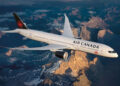
A routine licence verification by Canadian aviation authorities has led to the arrest of a former Air Canada captain accused of flying hundreds of domestic and international flights for nearly 17 years without holding the mandatory certification required to command large commercial aircraft.
The former pilot, Geoffrey Wall, 59, of Barrie, Ontario, was charged following a lengthy fraud investigation after Transport Canada detected irregularities in documents he submitted during a routine operational evaluation at Toronto Pearson International Airport in 2025.
According to Peel Regional Police, the discovery triggered “Project Icarus,” an extensive probe that revealed Wall allegedly served as a captain from 2009 to 2025 without possessing an Airline Transport Pilot Licence (ATPL), the qualification required to command large commercial airliners in Canada.
Police alleged that Wall used forged pilot licences to mislead both Air Canada and Transport Canada throughout his career and later attempted to conceal the deception by filing a false report with investigators.
He was arrested on June 1 and charged with fraud exceeding $5,000, public mischief, two counts of uttering forged documents, and three counts of possession of counterfeit marks.
Investigators said Wall began his aviation career in 1998 and was promoted to captain in 2009, a position that required an ATPL. However, authorities allege he never obtained the licence despite operating as a captain for nearly two decades.
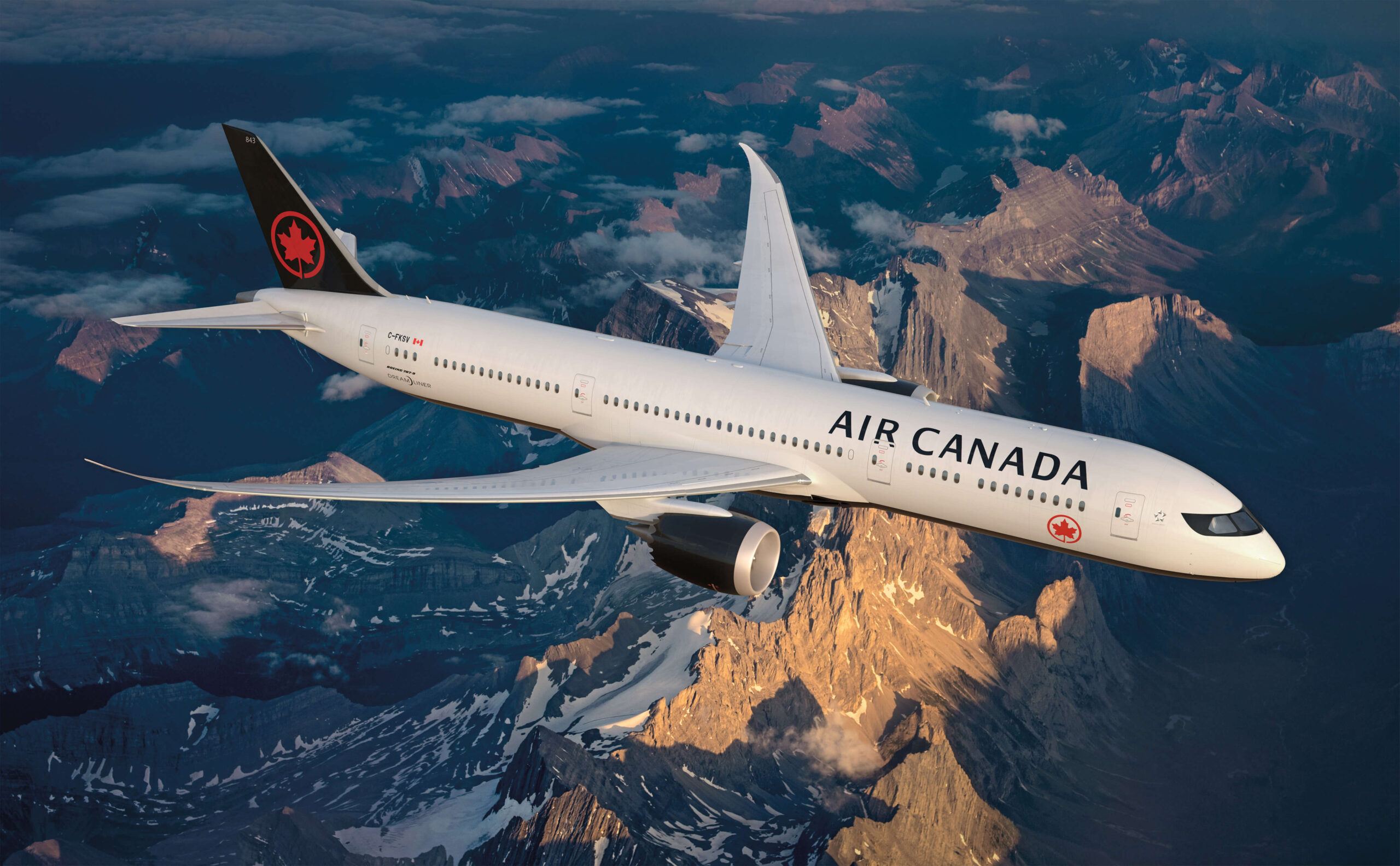
During that period, Wall reportedly commanded more than 900 domestic and international flights aboard Boeing 767, 777 and 787 aircraft, transporting tens of thousands of passengers while earning close to $3 million in salary, for 27 years.
Deputy Chief Nick Milinovich described the allegations as a serious breach of public trust, comparing the case to a medical practitioner performing highly specialised procedures without the required qualifications.
The investigation has also drawn attention because Wall held several leadership positions within the Air Canada Pilots Association, including serving as chair of its Master Executive Council.
Despite the allegations, Air Canada maintained that passenger safety was never compromised. The airline said Wall possessed a valid commercial pilot licence and consistently demonstrated competency during mandatory training, simulator assessments and flight checks conducted throughout his career.
Air Canada said it removed Wall from active flying duties and reported the matter to Transport Canada after discovering he lacked the required ATPL certification. The airline added that an internal audit found no evidence of similar licensing issues among other pilots.
Police noted that Wall had already retired from Air Canada in 2025 before the regulatory review and subsequent criminal investigation began.
Following his retirement, Wall worked part-time at Georgian College, assisting students with military backgrounds as they transitioned into academic life. The institution confirmed his employment but declined to comment on the charges because of the ongoing investigation.
Canadian Transport Minister Steven MacKinnon said the government would review the case to determine whether additional safeguards are needed but stressed that the system ultimately succeeded in identifying and addressing the alleged misconduct.
Aviation safety experts noted that while Wall allegedly possessed sufficient qualifications to serve as a first officer, commanding a commercial airliner as captain required additional flight hours, examinations and certification that investigators claim he never obtained.
Globally, airline pilots are required to meet strict licensing, training and medical standards before they can operate commercial aircraft. Under rules established by the International Civil Aviation Organization, pilots seeking to command large passenger aircraft must obtain an Airline Transport Pilot Licence (ATPL), the highest level of pilot certification.
To qualify, candidates must complete extensive flight training, pass rigorous written and practical examinations, accumulate significant flight experience – typically at least 1,500 flying hours, and hold a valid Class 1 medical certificate demonstrating their physical and mental fitness. Airline captains must also undergo recurrent simulator training, proficiency checks and periodic medical examinations throughout their careers to ensure they remain competent and capable of safely carrying passengers.