




















Uganda’s Ministry of Health has raised fresh concerns over the growing burden of sickle cell disease, revealing that between 6,000 and 9,000 children born with the condition die every year before reaching their fifth birthday.
The alarming figures were contained in a report released over the weekend, which also ranks Uganda as the fifth-highest country globally in terms of the number of people living with sickle cell disease.
According to the ministry, the increasing prevalence of the sickle cell gene among the population has significantly contributed to the country’s disease burden. An estimated 20,000 babies are born with sickle cell disease in Uganda each year, making the condition a major public health challenge.
Speaking on the report, Director-General of Health Services, Dr. Charles Olaro, described sickle cell disease as a lifelong condition that continues to place enormous pressure on families and the healthcare system.
He noted that the disease is responsible for about 16 per cent of deaths among children under the age of five in Uganda, underscoring the urgent need for stronger interventions.
To address the crisis, Olaro urged all public health facilities across the country to prioritise sickle cell care in their budgets and operational plans. He said improved funding and access to treatment would help increase survival rates and enhance the quality of life of affected patients.
The report further revealed that 13 out of every 100 Ugandans carry the sickle cell gene, with prevalence rates significantly higher in some regions. In parts of Eastern and Northern Uganda, about 20 per cent of the population are carriers, while the Acholi and Lango sub-regions, as well as parts of Central and South-Western Uganda, remain among the hardest-hit areas.
Health experts say the widespread distribution of the gene has made sickle cell disease a national concern, prompting the government to intensify prevention efforts.
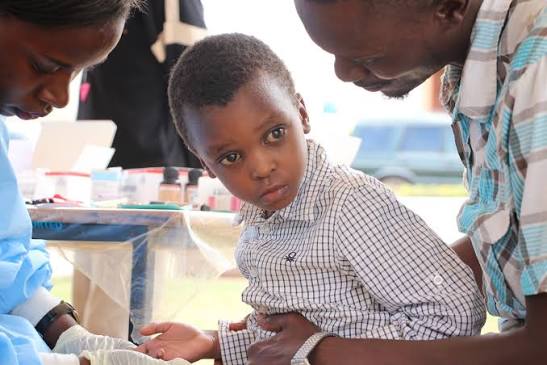
As part of its response, the Ministry of Health is expanding newborn screening programmes and promoting prenatal testing for couples planning to have children.
Olaro stressed the importance of knowing one’s genetic status before marriage or childbirth, urging prospective couples to undergo testing to determine whether they carry the sickle cell trait.
“Before anyone gets a child, they should know their partner’s status regarding the trait, so that carriers do not marry fellow carriers. That remains the most effective way of reducing and eventually eliminating the disease,” he said.