










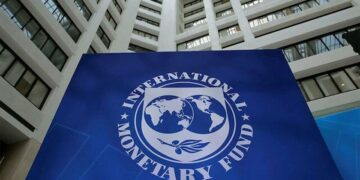





The International Monetary Fund (IMF) has approved a new $250 million Extended Credit Facility (ECF) for Rwanda to help the East African nation sustain economic growth and safeguard critical social and development spending amid growing global economic uncertainties.
The 38-month programme is designed to strengthen Rwanda’s economic resilience as external shocks, particularly the ongoing conflict in the Middle East, continue to pose risks to growth and macroeconomic stability.
In a statement, the IMF noted that Rwanda’s economy remains robust despite a challenging global environment. However, it cautioned that the war in the Middle East could negatively impact economic growth, inflation, external balances and public debt levels.
Rwanda recorded stronger-than-expected economic growth of 9.4 per cent in 2025, driven by solid domestic activity and investment. Despite the impressive performance, the IMF warned that elevated international oil and fertiliser prices are increasing inflationary pressures and straining public finances.
As a result, economic growth is projected to slow to below 6.8 per cent in 2026.
The IMF urged the Rwandan government to intensify efforts to mobilise domestic revenue, improve public investment management and strengthen oversight of capital expenditure to ensure fiscal sustainability and long-term economic stability.