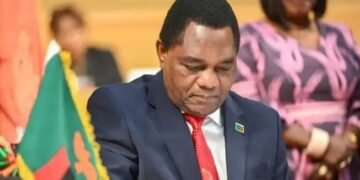




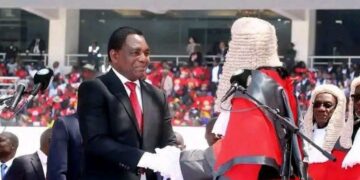



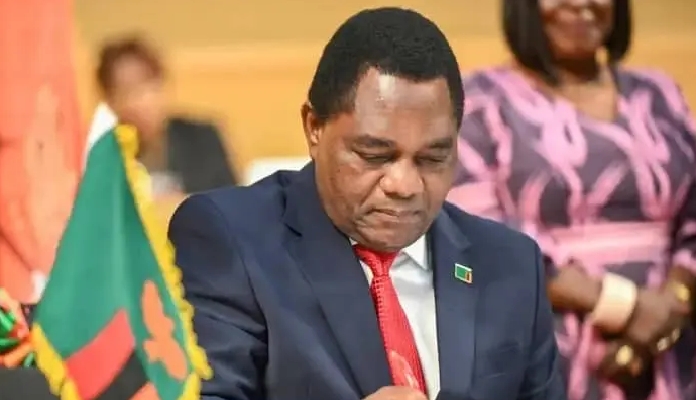
Zambians will head to the polls on August 13, with President Hakainde Hichilema seeking a second five-year term and urging voters to retain his United Party for National Development (UPND) administration.
Hichilema, 64, who assumed office in 2021, has highlighted economic recovery, free education and political stability as key achievements of his first term, urging voters to support the UPND to consolidate the gains recorded under his government.
Employment and the rising cost of living remain major concerns for voters. Zambia’s unemployment rate is nearly 10 per cent, while critics argue that the country’s economic recovery has yet to significantly improve living conditions for many households.
The economy, however, is projected to grow by about five per cent this year, while Hichilema has received credit for helping Zambia emerge from debt distress and return to economic growth.
His supporters also point to improved political stability. UPND supporter Brian Mpande said peace was the president’s most significant achievement, while teacher Sandra Simwale expressed optimism that the election would remain peaceful.
Hichilema has portrayed the contest as a choice between continued stability under his administration and a possible return to what he describes as the insecurity and political tensions associated with the former Patriotic Front government.
However, his main challenger, Brian Mundubile, has accused authorities of intimidating the opposition through arrests and alleged abductions. Mundubile claimed some opposition figures, journalists, musicians and bloggers had been detained for criticising the government.
“This election must not be conducted under fear,” he said.
Mundubile entered the race in May and secured the backing of several smaller opposition groups, but has faced challenges building a nationwide campaign.
Thirteen candidates are contesting the election, although Hichilema and Mundubile remain among the most prominent contenders.
The election will ultimately determine whether voters give Hichilema another five years to pursue his economic agenda or hand power to the opposition.