





By Emmanuel Nduka
The United States has retained Nigeria on its list of Countries of Particular Concern (CPC), despite acknowledging steps taken by the Nigerian government to strengthen counterterrorism efforts, judicial capacity and the protection of vulnerable communities.
The decision followed the second meeting of the Nigeria-U.S. Joint Working Group held in Washington on August 12, with U.S. Under Secretary of State for Political Affairs Allison Hooker hosting a Nigerian delegation led by National Security Adviser Nuhu Ribadu.
The meeting reviewed developments since Nigeria was designated a Country of Particular Concern by U.S. President Donald Trump in October 2025, with discussions centred on religious freedom, security cooperation, accountability and efforts to address violence affecting communities across the country.
Despite recognizing progress made by Nigeria, the U.S. State Department did not announce any decision to remove the country from the CPC designation.
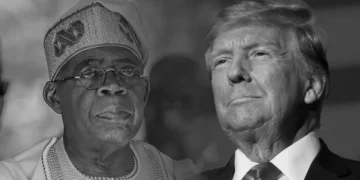
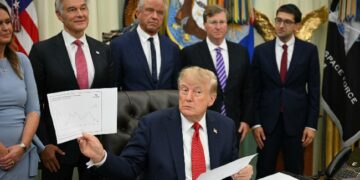
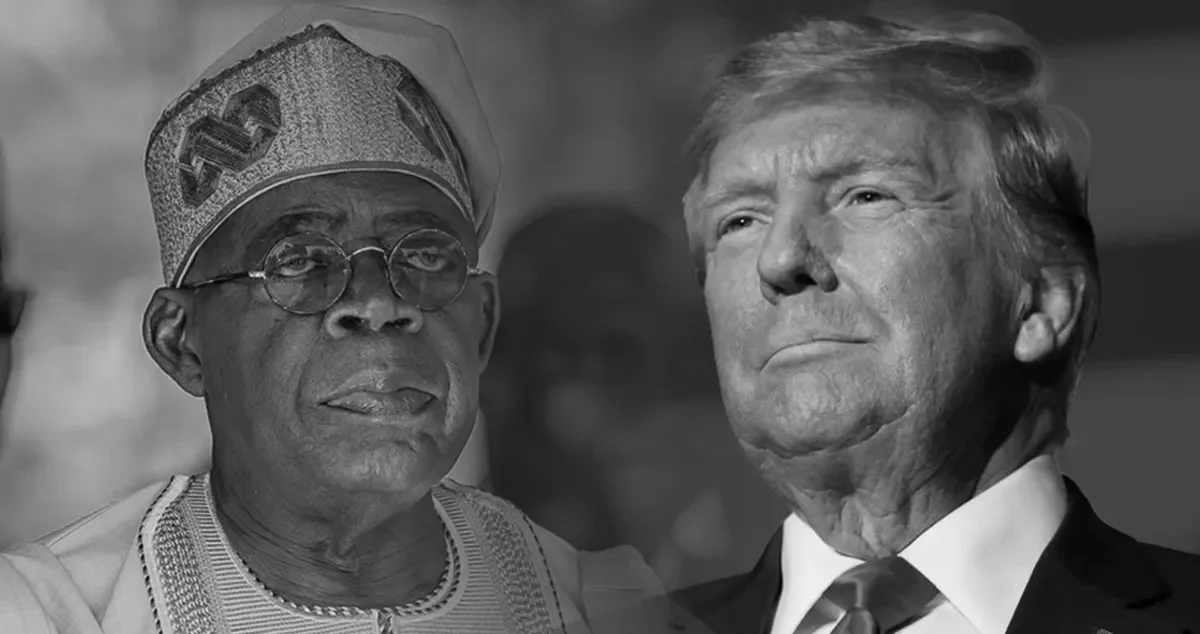
The designation has remained a major diplomatic issue between Washington and Abuja since Trump placed Nigeria on the list on October 31, 2025, citing concerns over attacks against Christians and alleged religious persecution.
The Nigerian government has consistently rejected the characterisation of the country as targeting Christians, arguing that terrorism and insecurity affect Nigerians across religious and ethnic lines.
At the latest Joint Working Group meeting, U.S. officials said discussions focused on protecting Christian communities, strengthening judicial and security institutions to ensure perpetrators of violence are held accountable, and expanding military-to-military cooperation.
The two sides also reviewed Nigeria’s efforts to resettle internally displaced persons, prosecute terrorism suspects and disrupt terrorism financing.
Washington, however, said significant challenges remain, including reports of civilian deaths and concerns over transparency in humanitarian spending.
“The United States noted Nigeria’s reported efforts to date, including the prosecution of hundreds of Boko Haram and Islamic State-West Africa (ISIS-WA) suspects, expansion of judicial capacity, and recruitment and training of 50,000 additional police officers,” the State Department said.
The discussions also explored greater cooperation in countering terrorism financing, expanding biometric information sharing and improving law enforcement capabilities.
The U.S. Department of State’s Bureau of International Narcotics and Law Enforcement Affairs and Bureau of Counterterrorism are expected to play a role in strengthening cooperation with Nigerian security and law enforcement agencies.
Hooker also held a separate meeting with Ribadu to discuss broader bilateral security priorities, including the protection of Christian communities and deepening cooperation between Washington and Abuja.
Nigeria’s CPC designation dates back to a decision by the Trump administration in 2025, when the U.S. president accused extremist groups of carrying out widespread attacks against Christians.
The designation revived concerns over religious violence in Nigeria and triggered a diplomatic response from the Federal Government, which insisted that the country’s constitutional protections apply equally to Christians, Muslims and adherents of other faiths.
Since then, Abuja and Washington have intensified diplomatic and security engagements aimed at addressing the concerns behind the designation.
The first session of the Joint Working Group was held in Abuja on January 22, 2026, with both countries agreeing to strengthen cooperation in security, justice-sector reforms and the protection of vulnerable communities.
The latest meeting also comes against the backdrop of increased U.S.-Nigeria military cooperation, including Washington’s December 2025 strike against terrorist targets in northwestern Nigeria.
The U.S. action was presented as part of efforts to disrupt extremist networks operating in the country.
In subsequent months, relations between the two governments appeared to improve, with Trump publicly acknowledging measures taken by President Bola Tinubu to confront insecurity.
The Nigerian government has also pursued diplomatic and lobbying efforts in Washington to challenge allegations that Christians are facing genocide in the country and to present its broader security challenges as a national crisis affecting communities across religious lines.
However, the conclusion of the second Joint Working Group without an announcement removing Nigeria from the CPC list means the designation remains in place.
For Abuja, the development leaves the government with the task of demonstrating further measurable progress on religious freedom, accountability, civilian protection and security before Washington considers changing its position.
For Washington, the continued designation signals that while Nigeria’s counterterrorism and security efforts are being recognized, the United States still considers significant concerns over religious freedom and accountability unresolved.