



















The European Commission has released €2.3 million in emergency humanitarian funding to Nigeria, Cameroon, the Central African Republic (CAR) and Chad to support efforts to contain cholera outbreaks across West and Central Africa.
The funding was announced in a statement issued in Abuja, as the World Health Organisation (WHO) reported more than 61,000 cholera cases across the African Region in the first five months of 2026.
Nigeria will receive the largest share of the funding, with €1.5 million earmarked to strengthen emergency response teams, provide cholera treatment supplies and expand water, sanitation and hygiene interventions.
According to the statement, the funding will also support the treatment of public and household water, improve disease surveillance in hard-to-reach communities, and enhance case management, risk communication and public awareness.
Cameroon will receive €100,000 to support outbreak containment and treatment through the deployment of additional humanitarian personnel, provision of medicines and establishment of cholera treatment units and oral rehydration points in affected communities.
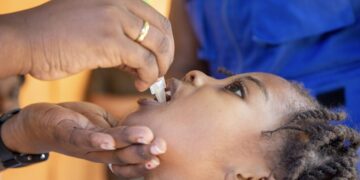
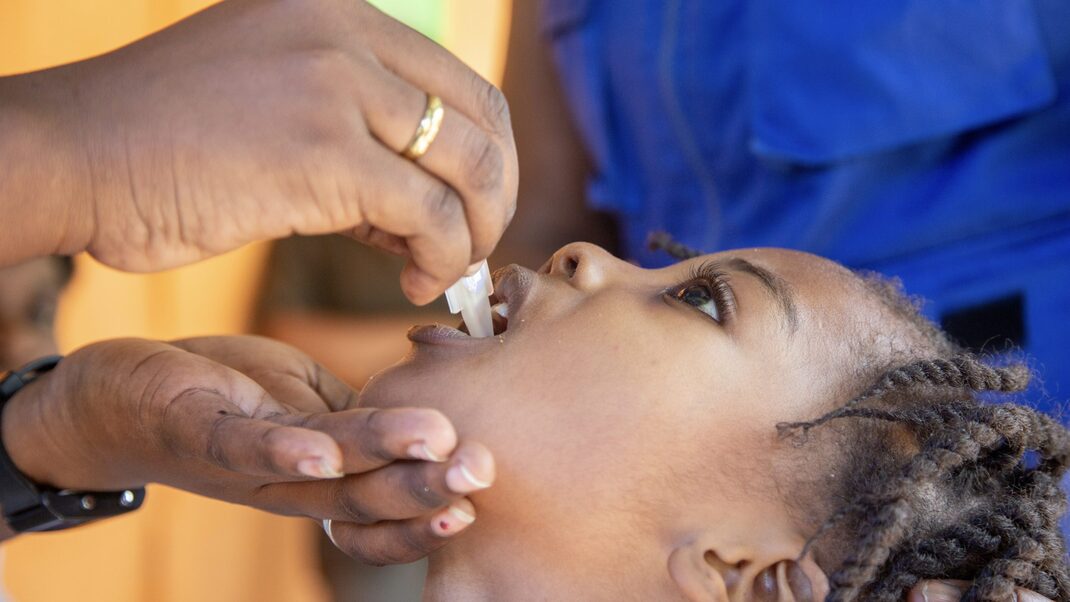
The CAR is allocated €500,000 to expand cholera case management and vaccination, improve water and sanitation facilities, strengthen disease surveillance and support safe and dignified burials.
Chad will receive €200,000 to improve access to clean water, sanitation and hygiene services, while strengthening community-based surveillance and cholera case management.
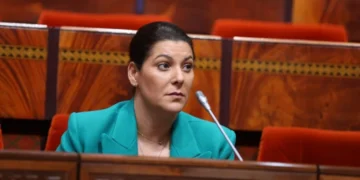
EU Commissioner for Preparedness and Crisis Management, Hadja Lahbib, said the emergency assistance would help protect communities facing the highest risks.
“Cholera is preventable and treatable. Yet it still threatens lives when people lack something as basic as safe water and healthcare,” she said.
Lahbib added that the funding would enable humanitarian partners to respond rapidly and contain outbreaks amid rising humanitarian needs and shrinking resources.
Cholera is caused by the Vibrio cholerae bacterium and is primarily transmitted through contaminated food or water. Severe cases can result in rapid dehydration, shock and death if treatment is not provided promptly.
The EU said the latest intervention is designed to break chains of transmission while improving access to healthcare, safe water and sanitation in affected communities.