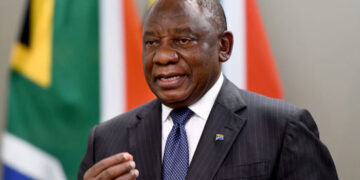












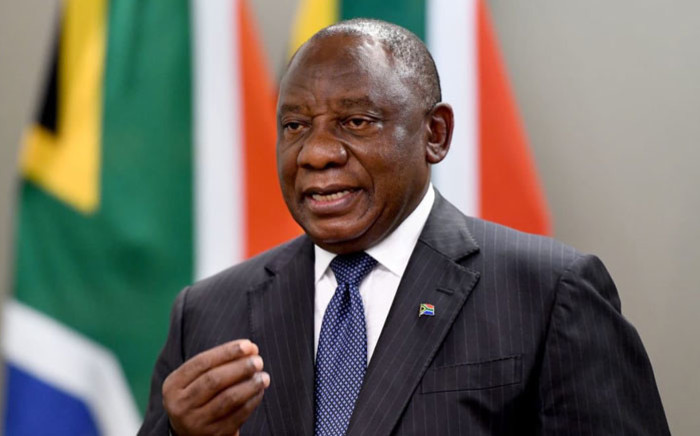
South African President Cyril Ramaphosa has urged Western governments to abandon blanket travel and trade restrictions against African countries affected by Ebola, warning that such measures lack scientific justification and could undermine efforts to contain the disease.
Ramaphosa made the call on Monday while opening the 46th Southern African Development Community (SADC) Summit in Durban, where he urged governments to avoid “indiscriminate restrictions on travel and trade against affected countries.”
He said such restrictions were not supported by public-health evidence, adding that they could damage economies, disrupt livelihoods and push travellers towards unmonitored border crossings, making disease containment more difficult.
The Democratic Republic of Congo (DRC), which has been battling a deadly Ebola outbreak since April, is among the 16-member SADC countries.
Ramaphosa’s remarks came amid travel restrictions imposed by the United States and other Western countries on people travelling from or intending to travel to the DRC, Uganda and South Sudan.
The Bundibugyo strain of Ebola has reportedly killed more than 2,300 people, with nearly 5,000 confirmed cases recorded in the DRC alone.
While commending Congolese health workers and affected communities for their courage, Ramaphosa said the outbreak continued to outpace response efforts.
He called for greater protection of health facilities and humanitarian operations, as well as a ceasefire in conflict-affected areas to enable medical and humanitarian responders to reach communities in need.
The South African leader also urged international donors to ensure that financial commitments translate into immediate resources for affected communities.
“We must also ensure that financial pledges are translated urgently into resources on the ground,” he said.
Ramaphosa stressed that protecting Africa from future epidemics would require more than emergency responses once outbreaks occur.
“It requires sustained investment in prevention, surveillance, resilient health systems, research and the African production of vaccines, diagnostics and medicines,” he said.