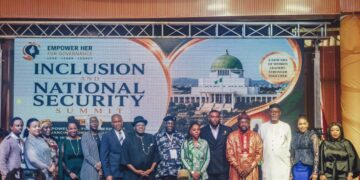














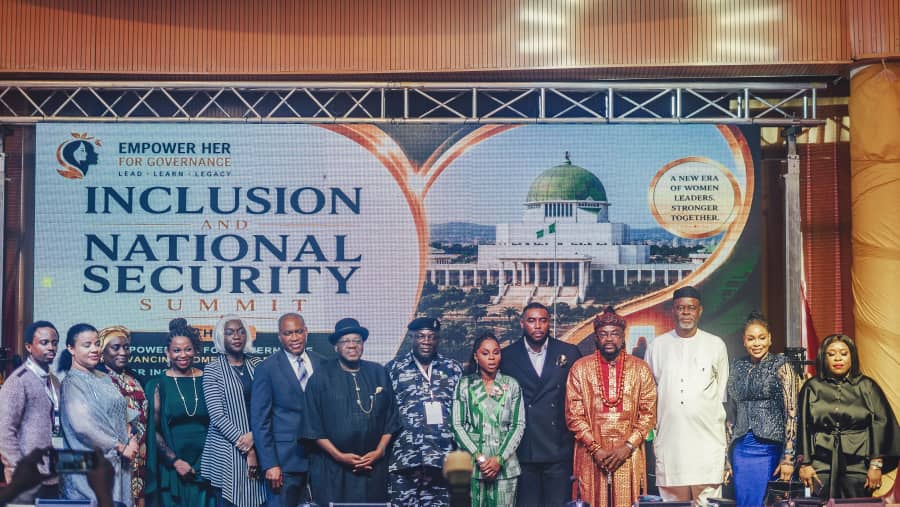
Stakeholders at the 2026 ITeach Africa Initiative Summit in Abuja have warned that excluding women from leadership, governance and security decision-making is not only a development setback but a growing threat to Nigeria’s national security.
The warning was issued at the summit held at the Federal Ministry of Foreign Affairs, under the theme, “Advancing Women’s Leadership and Inclusive Governance and Security.”
The stakeholders argued that Nigeria’s persistent insecurity cannot be effectively addressed without giving women and other marginalised groups a meaningful role in shaping security policies and peacebuilding efforts.
The Convener and Director-General of ITeach Africa Initiative and Empower Her for Governance Initiative, Mrs Ebimoboere Alaibe-Elezieanya, said insecurity, including kidnapping, banditry, terrorism and organised crime, had disproportionately affected vulnerable women.

“A nation is safest when its people feel they have a stake in its peace, become a voice in its future and play role to ensure its survival,” she said.
Representing the Minister of Defence, Gen. Christopher Musa (retd.), Lt.-Col. Nneka Olimma said women were not merely victims of insecurity but critical partners in finding solutions to the country’s security challenges.
“Women are not only affected by insecurity, women are also part of the solution,” Musa said.
The Head of the Civil Service of the Federation, Esther Walson-Jack, represented by Permanent Secretary, Career Management Office, Nkiruka Jones-Nebo, called for stronger institutional structures to promote women through mentorship, leadership training and safe spaces.
Speaking as Father of the Day, Dr Otive Igbuzor said Nigeria could not achieve sustainable stability without inclusive governance and transformational leadership.
“Inclusion is a development imperative, a democratic necessity and a national security strategy,” he said.
Former NDDC Managing Director, Timi Alaibe, said the Niger Delta experience demonstrated that lasting security requires justice, economic opportunity and inclusion, warning that “force can contain violence, but it cannot by itself address the grievance that produced the violence.”
Director-General of the Plateau State Peace Building Agency, Julie Sanda, urged leaders to ensure women and young people have seats at decision-making tables.
“Everybody needs to be at the table. Everyone is affected by insecurity,” she said.
Ambassador Goodknows Igali also called for targeted programmes to expand women’s participation across all sectors, particularly security, advocating equal representation in leadership.
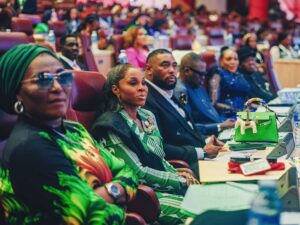
The summit brought together government officials, diplomats, policymakers, women leaders, civil society organisations and young people.