





















A former US intelligence official has admitted to defrauding the United States government of approximately $194 million in a scheme that prosecutors say involved fictitious classified programmes, luxury real estate, gold bars, expensive watches and high-end vehicles.
David J. Rush, 49, pleaded guilty to exploiting his position within the federal government to divert public funds for personal enrichment, using fabricated government authorisations to make the transactions appear legitimate.
According to the US Department of Justice, Rush held a senior executive-level position in a federal agency and possessed a Top Secret/Sensitive Compartmented Information security clearance, granting him access to highly sensitive government operations.
Prosecutors said Rush obtained his position, in part, by misrepresenting his educational qualifications and military experience before using the authority entrusted to him to execute the fraud.
Investigators said he fabricated government programmes, including a fictitious Special Access Programme, to obtain federal funds under the guise of legitimate government activities.
As part of the scheme, Rush allegedly directed approximately $145 million in wire transfers to acquire luxury real estate and other valuable assets. The transactions formed part of a broader fraud that resulted in the diversion of approximately $193.6 million in government funds, according to court documents.
The extent of the alleged extravagance emerged when Federal Bureau of Investigation (FBI) agents searched his residence on May 19, 2026.
During the operation, investigators recovered 298 gold bars, approximately $2.1 million in US currency, €104,795 and numerous luxury watches.
The gold bars alone were acquired at an estimated cost of $46 million to the US government, highlighting the extraordinary scale of the financial misconduct outlined by prosecutors.
Under his plea agreement, Rush has agreed to forfeit the recovered gold and currencies, properties acquired through the fraudulent scheme, 30 watches, many of them Rolexes, and two 2026 BMW Alpina vehicles.
At least one of the luxury vehicles is valued at approximately $172,000.
Prosecutors said the properties included luxury real estate in Florida, where Rush allegedly channelled substantial sums through companies established or controlled as part of the scheme.
The assets represent some of the material benefits investigators linked to the alleged fraud, which prosecutors said cost American taxpayers approximately $194 million.
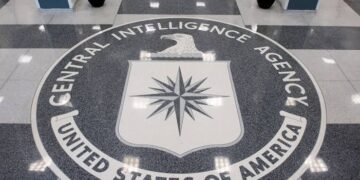
The Central Intelligence Agency (CIA) said the case followed an internal investigation that uncovered potential criminal conduct and was subsequently referred to the FBI.
CIA Director John Ratcliffe said Rush had abused his position and betrayed the public trust, stressing the need to hold him accountable for his actions.
FBI Director Kash Patel also condemned the conduct, saying Rush had betrayed his oath, colleagues and the American people by exploiting his official position for personal gain.
The case has raised questions about oversight and accountability within sensitive government institutions, particularly where officials have access to classified programmes and substantial public resources.
The US intelligence community relies heavily on confidentiality and trust, making internal controls essential to preventing the misuse of public funds and official authority.
Rush pleaded guilty on October 6, 2026, to a charge arising from the fraud scheme. He is scheduled to be sentenced on January 28, 2027, and faces a maximum penalty of 20 years in prison.
Additional penalties could include supervised release, forfeiture of assets, restitution and a fine. The final sentence will be determined by a federal judge after considering the applicable sentencing guidelines and other statutory factors.
The US Department of Justice said the investigation remains ongoing, while the Director of National Intelligence has requested a separate investigation by the Inspector General for the Intelligence Community.
The case underscores the potential consequences of abusing public office, particularly within institutions responsible for protecting national security, where access to classified information and government resources demands exceptional accountability.