







By Emmanuel Nduka
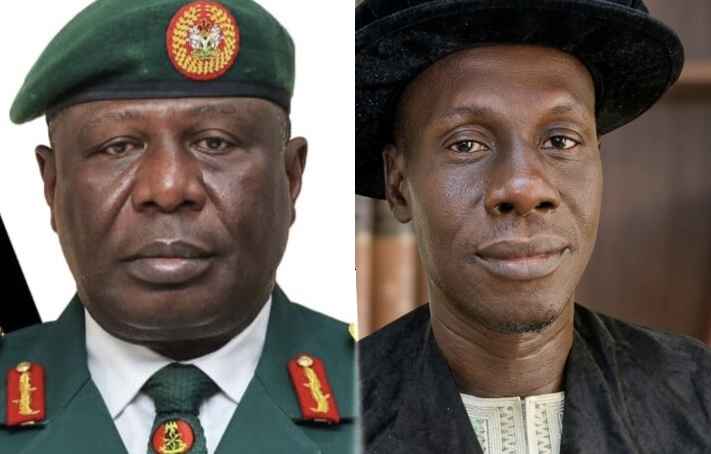
A Nigerian professor of Media and Information Studies at the University of Abuja, in Nigeria’s capital city, has identified positive angles from which the Nigerian military can frame its success stories to the public amid the insecurity facing the country.
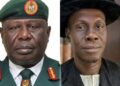
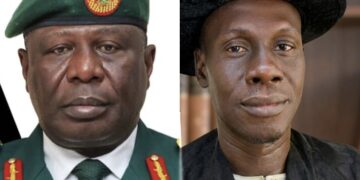
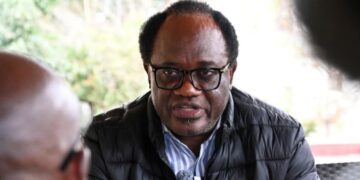
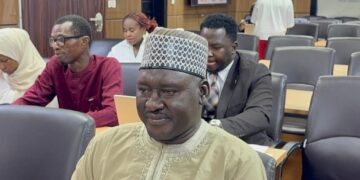
Prof. Abdullahi Bashir made the framing recommendations while presenting a paper on Tuesday at the 2026 Defence Headquarters Strategic Communication Workshop, titled ‘Framing Narratives and Messages to Enhance National Security’.
In framing its narratives positively to win the hearts and minds of Nigerians, he listed the need for the military to position itself as an agency on the ground to protect Nigerians, emphasise patriotism in unifying the country, and portray itself as a partner in societal progress through impactful civil-military engagements.
He added that the military must position itself as a peacebuilder, remain professional and disciplined, respect human rights, and put a human face to its operations. “National security will not be won by firepower alone. It will be won by when Nigerians believe our narratives,” he said.
Earlier, the Chief of Defence Staff (CDS), General Olufemi Olatubosun Oluyede, called for stronger collaboration between security agencies and media organisations to tackle misinformation, disinformation and propaganda capable of undermining Nigeria’s national security.
Oluyede expressed concern over the increasing spread of misleading information, including the circulation of old photographs and videos presented as recent incidents, as well as the growing use of artificial intelligence to manipulate images, audio recordings and videos.
He urged journalists and media organisations to prioritise fact-checking, accuracy and professional responsibility while strengthening their capacity to identify and counter AI-generated falsehoods. He also cautioned against the premature disclosure of sensitive operational information, including troop movements, locations and military capabilities, warning that such disclosures could endanger personnel and jeopardise ongoing operations.
Quoting former institutional commander Jonathan Riley, Oluyede said: “It is therefore vital that any commander does his best to ensure that whatever story is put out to the media and thereby by the media is true and therefore credible”.
He stressed that the military was not asking journalists to abandon their professional responsibilities in the interest of national security but advocated a relationship anchored on mutual respect, professionalism, trust and credible information sharing.
He added that accurate and timely reporting remained essential to strengthening public confidence in the Armed Forces and supporting the country’s broader security efforts.