















By Enyichukwu Enemanna
The long-sought lasting unity for Africa has consistently been met with brick walls and clearly avoidable obstacles as the continent continues to nurse home-grown intolerant behaviours against each other, a development that undermines the efforts by our founding fathers, including Kwame Nkrumah, Haile Selassie, Julius Nyerere, Gamal Abdel Nasser, Ahmed Sékou Touré, Patrice Lumumba, Nnamdi Azikiwe and indeed other influential figures who played decisive roles in promoting Pan-Africanism and laying the groundwork for continental cooperation, particularly leading to the creation of the Organisation of African Unity (now the African Union).
Pundits have expressed concerns over the endless xenophobic attacks and hostile treatments by Africans against Africans, in Africa, threatening the bond of common identity of the black race and its spirit of “ubuntu” especially at a time when racial violence against the black in the Western world is at a very alarming stage. The question therefore remains, where does the safety of the African man lie? — in his land where the climate of fear, psychological trauma, and dehumanisation has taken a root or in foreign land where discriminatory treatment is at default on the basis of his skin colour?
From the renewed attacks in South Africa where nationals from other African countries have been the primary target of unprovoked violence to the situation in Tanzania where authorities have shut down IDP camp housing thousands of Burundi’s refugees, with a threat to force them back to their conflict-racked country, it is widely believed that there is a crack within, which jeopardises healthy relations among African nations.
One Xenophobic Tension, Too Many
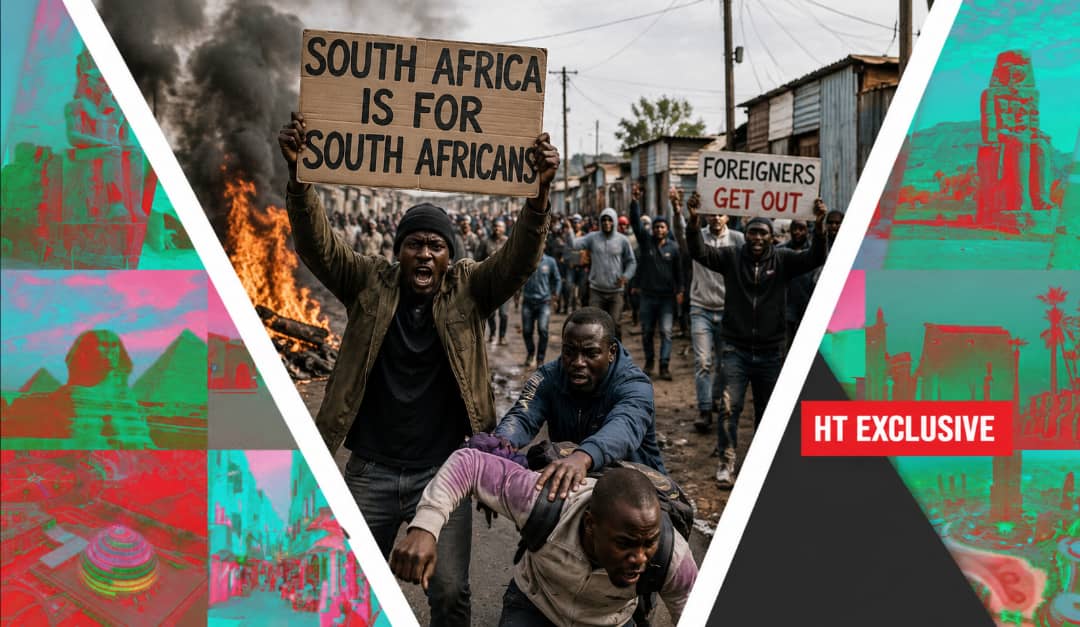
In South Africa, vicious attacks against fellow Africans have become recurrent and hydra-headed challenge that has continued to undermine Pan-Africanism principles, solidarity and regional integration which the African Union champions.
According to available records, several hundreds of persons from Nigeria, Ghana, Zimbabwe, Mozambique, Malawi and Somalia have been brutally killed as a result of anti-foreigner sentiments in South Africa. Under former President Thabo Mbeki, no fewer than 62 people were killed, more than 670 injured in just a single incident of xenophobic violence in May 2008, according to the United Nations High Commission for Refugees (UNHCR). It started in Alexandra township near Johannesburg before spreading across the country.
One very disturbing image of that violence showed Mozambican migrant Ernesto Nhamuave being burned alive by a mob in the Ramaphosa informal settlement near Boksburg. Mbeki administration’s handling of the matter attracted widespread criticism after he branded it as a mere “naked criminal activity” that should not be cloaked “in the garb of xenophobia”. The administration was accused of living in denial in what rights group, Human Rights Watch later said exposed “deep-rooted intolerance and poor local governance”.
In 2015, another wave of violence erupted, particularly in the cities of Durban and Johannesburg. Business interests belong to fellow Africans became the major target, with several shops set ablaze and others brazenly looted, sometimes in the full glare of security officials. According to multiple media reports, this was sparked by controversial remarks attributed to the Zulu king, Goodwill Zwelithini, who was quoted to have at that time said foreigners should “pack their bags and leave.”
Countries were forced into hurried plan to evacuate their citizens from the tensed environment. Zimbabwe for instance dispatched buses to bring back its citizens willing to return, while Malawi and Mozambique also provided logistics to returnees. The now late king later denied issuing quit notice to foreigners in the country.
Johannesburg and Pretoria in 2019, again fell under similar attacks, with Nigerian nationals being the major target this time. According to figures released by the South African police, quoted by Reuters, at least 12 people were killed, and hundreds of Nigerian businesses looted, while over 500 citizens from the West African nation were evacuated under emergency plans.
In 2021, an anti-migrant group Operation Dudula emerged in the Soweto, holding campaigns against undocumented migrants, even gaining popularity. The group conducted raids on businesses and accused foreigners of taking jobs from South Africans and putting pressure on their limited public facilities. Right groups alleged that Operation Dudula was fuelling xenophobia, following widespread allegations that they blocked foreign nationals from accessing healthcare, schools, and informal spaces where people can trade.
Nigeria Kicks, Demands Accountability
The latest outbreak of violence which in late April which saw men of Operation Dudula reportedly storm schools to forcefully remove and block children of other African nationals from attending classes has been fiercely condemned. It has since snowballed into full-scale violence against citizens of other African nations living across South African cities, prompting reactions from neighbouring nations whose citizens have been affected.
In Nigeria, the Minister of Foreign Affairs, Bianca Odumegwu-Ojukwu says her country is prioritising the evacuation of citizens who want to come back home, stating a clear position that Nigerian authorities will not stand by and watch citizens face harassment, intimidation and outright threats. She has also reported a telephone conversation with her South African counterpart, Ronald Lamola where she highlighted the need for the police and judicial system to protect Nigerians in the country and ensure that acts of extra-judicial killings have immediate consequences against perpetrators.
In addition to President Bola Tinubu’s directive for Nigerian Missions in South Africa to set up immediate Crisis Notification Unit for citizens in danger zones, Odumegwu-Ojukwu also frowned at a situation where Nigerian children are wrongfully bullied in their schools and mockingly taunted to ‘return to their country’. This she believes is unacceptable and has the tendency of traumatising the young minds, who for a longer period of their lives could have these scenarios etched in their memory.
“Our discussions also centered on the violent and indiscriminate rhetoric and actions of South Africa’s anti-foreigner political parties which puts the lives and properties of Nigerian and other nationals at risk, but which conversely might also have the effect jeopardizing the safety of South African interests in Nigeria. Nigerians have exercised, and continue to demonstrate commendable restraint, in their response to the ongoing crisis”, she stated in a social media post.
Also, following an intense debate at the floor of the Nigerian Senate, the National Assembly has resolved to send a joint ad-hoc committee to engage authorities in Pretoria and push for concrete safeguards for its citizens. The Senate sees the unprovoked persecution of Nigerians as “barbaric, unlawful and deeply troubling”, demanding that it should henceforth be brought to a halt. Angrier Senators, including former labour leader, Sen. Adams Oshiomhole had demanded economic sanctions against South African business interests in Nigeria in what could blossom into a tit-for-tat.
Action Violates African Charter on Human Rights, Ghana Writes AU
Ghana has also strongly reacted to the sad development in Ghana with a formal petition to the African Union where the Minister of Foreign Affairs, Samuel Okudzeto Ablakwa is asking the continental body to put the issue at the front burner as it holds 8th Mid-Year Coordination Meeting from 24-27 June in El Alamein, Egypt. The West African nation argues that the treatment against fellow African citizens in South Africa is in violations of the African Charter on Human and Peoples’ Rights, which South Africa is a signatory to.
Ablakwa added that the repeated xenophobic violence undermines the goals of the African Continental Free Trade Area which promotes free movement and economic cooperation across the continent. It also called for the strengthening of AU monitoring mechanisms, and the establishment of a fact-finding mission into the causes of xenophobic violence in South Africa.
Ghana submitted that there should be dialogue and reconciliation initiatives aimed at promoting tolerance and continental unity. “Africa’s future is one of shared dignity, prosperity, and mutual respect,” the letter said.