


















Libya and Syria have moved to strengthen judicial cooperation and explore the exchange of prisoners as part of efforts to deepen bilateral relations between the two countries.
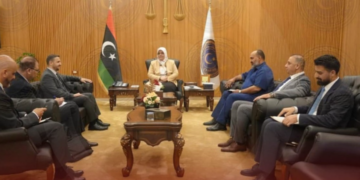
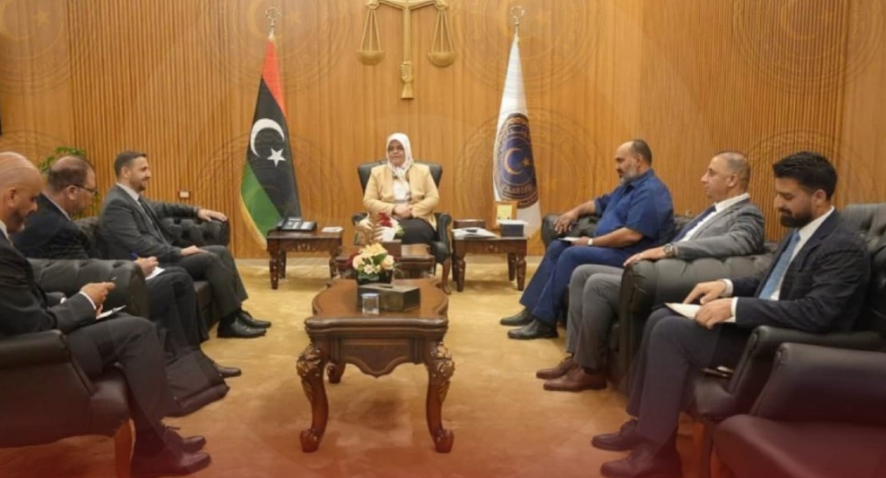
Libya’s Minister of Justice, Halima Ibrahim, met with Syria’s Chargé d’Affaires in Libya on Tuesday in Tripoli, where both sides discussed preparations for a memorandum of understanding (MoU) aimed at enhancing cooperation in legal and judicial affairs.
A major focus of the meeting was the proposed framework for the exchange of prisoners between Libya and Syria, with the two sides considering mechanisms that could facilitate greater coordination on cases involving nationals detained in either country.
The discussions also addressed broader ways of strengthening bilateral relations, particularly through increased cooperation between the judicial institutions of both countries.
According to the discussions, the proposed judicial cooperation agreement is expected to provide a structured framework for the exchange of legal expertise, experiences and information, while supporting coordination on matters of mutual interest.
The meeting further highlighted the importance of strengthening institutional ties between the two countries, particularly in the legal sector, where closer cooperation could contribute to more effective handling of cross-border judicial matters.
The proposed MoU is expected to cover areas including judicial assistance, exchange of expertise and experiences, and other legal matters of common interest.
The talks come amid efforts by Libya and Syria to expand bilateral engagement and revive cooperation across several sectors. Both sides expressed interest in developing practical mechanisms that would translate their discussions into concrete areas of cooperation.
The meeting also highlighted the role of judicial collaboration in strengthening relations between states, particularly where citizens face legal or detention-related issues outside their home countries.
The two countries are expected to continue consultations on the proposed memorandum before its formal adoption, with further discussions likely to determine the scope and implementation mechanisms of the agreement.