














By Emmanuel Nduka
The South African government has denied allegations of widespread xenophobic attacks against African migrants, insisting there is no evidence of systematic killings or targeted violence against Ghanaian and Nigerian nationals by security agencies.
The response follows Ghana’s move to formally request that the African Union (AU) place the issue of xenophobic attacks in South Africa on the agenda of the Eighth AU Mid-Year Coordination Meeting scheduled to hold in Cairo, Egypt, from June 24 to 27, 2026.
In a letter signed by Ghana’s Minister of Foreign Affairs, Samuel Okudzeto Ablakwa, the West African nation described recurring attacks on African migrants in South Africa as an urgent continental concern requiring collective action by African leaders.
According to Ghana, the incidents have resulted in deaths, destruction of businesses and heightened fears among African migrants residing in South Africa.
Accra argued that such developments threaten African solidarity, unity and the ideals of Pan-Africanism, particularly given the support many African countries extended to South Africa during the anti-apartheid struggle.
The Ghanaian government also maintained that the attacks run contrary to the objectives of the African Continental Free Trade Area (AfCFTA) and violate provisions of the African Charter on Human and Peoples’ Rights.
As part of its recommendations, Ghana called on the AU to strengthen monitoring mechanisms, deploy a fact-finding mission to investigate the incidents and encourage dialogue and reconciliation initiatives aimed at promoting tolerance and continental cohesion.
However, in a statement issued by South Africa’s Ministry of International Relations and Cooperation, Pretoria described Ghana’s decision to escalate the matter to the AU as “regrettable,” while reiterating its commitment to diplomatic engagement with African partners on migration-related issues.
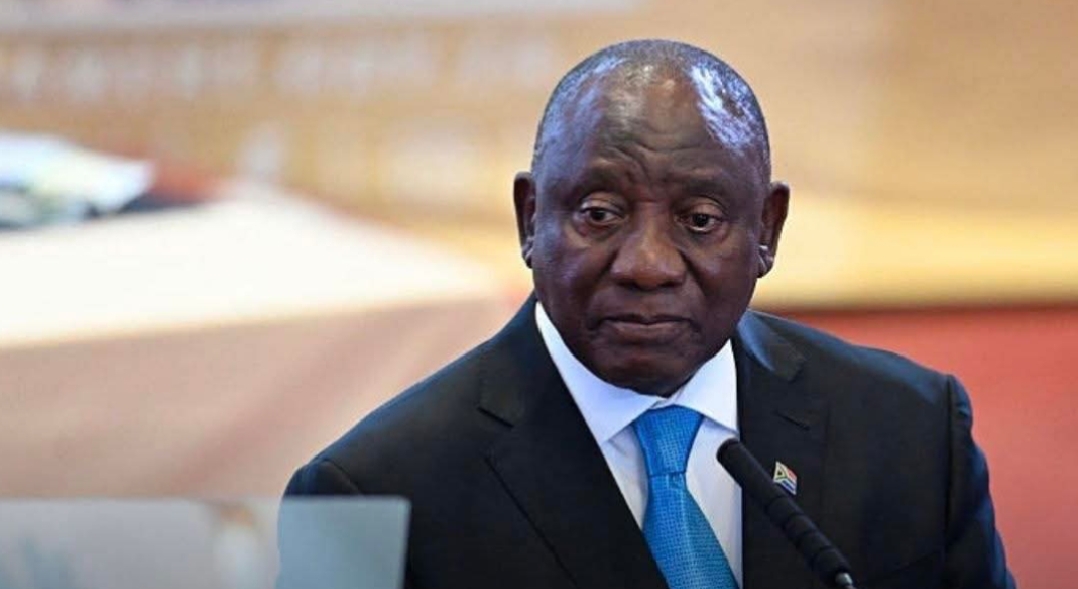
South African President Cyril Ramaphosa, quoted in the statement, condemned xenophobia and cautioned against hostility toward fellow Africans.
“We did not walk alone into freedom. We were carried by a tide of solidarity from the nations of Africa,” Ramaphosa said during South Africa’s Freedom Day celebration on April 27, 2026.
He added that South Africa should never “trample into the dust the African fellowship that made our freedom possible”.
South Africa’s Minister of International Relations and Cooperation, Ronald Lamola, has reportedly engaged officials from Ghana and Nigeria, as well as African ambassadors in Pretoria, to clarify concerns surrounding recent incidents.
The South African government further stated that there was no credible evidence confirming reports that Ghanaian and Nigerian nationals were killed during recent protests and confrontations.
“There is no credible evidence to draw this conclusion at this stage,” the statement noted.
Pretoria also accused social media users of spreading misinformation and manipulated videos that have fueled tensions and heightened fears among migrants.
According to the South African authorities, the country currently hosts an estimated three million migrants, nearly 90 per cent of whom are from other African countries, making it one of the continent’s major destinations for migrants.
The government attributed tensions in some communities to unemployment, economic hardship, inequality and undocumented migration but maintained that the vast majority of migrants coexist peacefully and contribute positively to South African society.
South Africa also highlighted measures introduced to manage migration, including immigration policy reforms, tighter border controls, a points-based visa system and deportation exercises targeting undocumented migrants.
The government disclosed that about 500,000 undocumented migrants have been deported by the Border
Management Authority since April 2023.
Pretoria argued that migration challenges across Africa should be addressed through cooperation, economic reforms, improved governance and shared responsibility rather than blame and division.
The government added that should Ghana’s proposal make it onto the AU summit agenda, South Africa would advocate broader discussions on the root causes of migration across the continent, including poverty, unemployment and governance challenges.
The diplomatic exchanges between both countries have once again drawn attention to long-standing debates over migration management, regional integration and the protection of migrants’ rights in Africa.
South Africa has faced repeated criticism over periodic outbreaks of xenophobic violence targeting migrants from countries including Nigeria, Ghana, Zimbabwe, Somalia, Mozambique and Ethiopia over the past two decades.