








By Enyichukwu Enemanna
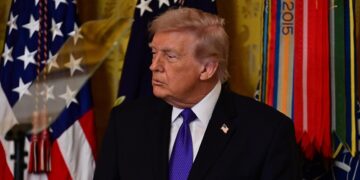
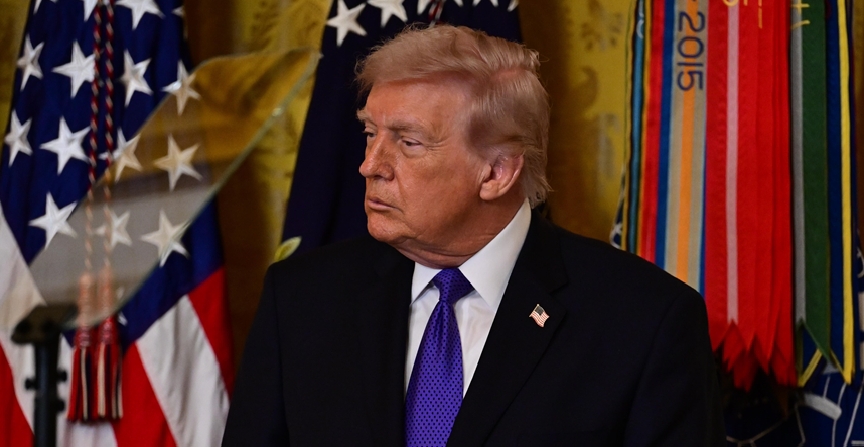
US President Donald Trump on Thursday said he has put to a halt planned attack on Iran and backed the possible signing of a deal with Tehran, following top-level talks.
“Based on the fact that discussions with the Islamic Republic of Iran have been brought to the highest level of Iranian leadership and approved, I have… cancelled the scheduled strikes and bombings against Iran this evening,” Trump said on his Truth Social network.
“Time and place of the signing to be announced shortly,” he added.
Iran had warned Washington that it risked wading into an “endless quagmire” of war and soaring energy prices, after Trump vowed to launch a new round of airstrikes and to seize an island oil terminal.
Iran’s chief negotiator in talks with the Americans, parliamentary speaker Mohammad Bagher Ghalibaf, issued his stark warning after the two sides exchanged overnight fire and Trump threatened that US forces would hit “VERY HARD TONIGHT”.
“Wrong strategies and impulsive decisions will reset the entire board for the worse, explode energy infrastructure and markets and create an endless quagmire that you will be stuck in for years,” Ghalibaf said.
The war, which began on February 28 with a wave of US-Israeli strikes on Iran, was paused under an April truce, but efforts to hammer out a permanent end to the fighting have since stalled.
US forces have also, since the ceasefire, hit radar arrays and disabled Iranian ships, and Tehran has maintained a chokehold on shipping through the Strait of Hormuz.
“At some point in the not too distant future, we will be taking Kharg Island, and other oil infrastructure points, and assume total control of their Oil and Gas Markets, much like we have with Venezuela,” Trump said, in a post on his own social media platform, referring to a Gulf island that hosts Iran’s biggest oil export terminal.
General Ali Abdollahi, head of the Iranian military’s central headquarters, warned that “if the United States once again seeks to carry out attacks against heroic Iran, it would receive a harsher response than before, and the flames of war, in addition to creating insecurity in the region, will become more widespread and far-reaching”.