










By Emmanuel Nduka
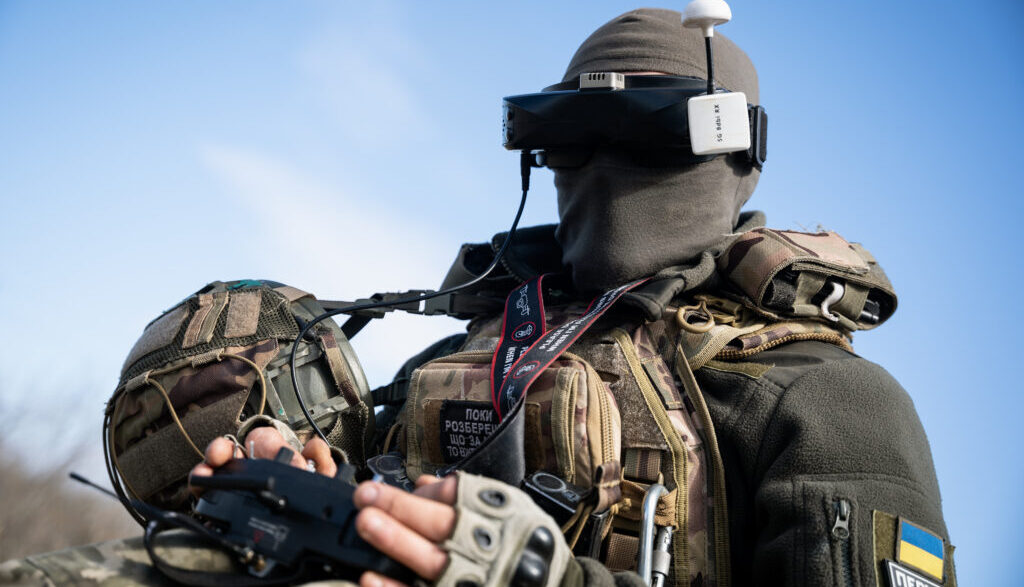
Ukraine is seeking Elon Musk’s approval to use Starlink-equipped attack drones against Russian ballistic missile launchers and other military targets up to 200 kilometres inside Russia, as Kyiv faces a growing shortage of air-defence interceptors, the Financial Times reports.
Sources familiar with the matter said Ukrainian President Volodymyr Zelenskyy raised the proposal with US President Donald Trump during their White House meeting in July, asking him to speak with Musk about allowing Starlink to support deep-strike drone operations across the Russian border.
The proposal comes as Ukraine struggles to counter increasingly intense Russian missile and drone attacks. Kyiv is running short of Patriot interceptors, the American-made system it has relied on to reliably intercept Russian ballistic missiles.
Ukraine has appealed to Trump and other allies for additional interceptors, but supplies are under pressure as the missiles have also been deployed in conflicts elsewhere, including the US war with Iran.
Military analyst Franz-Stefan Gady said Ukraine needs to move beyond simply intercepting incoming missiles and find ways to attack the systems launching them.
“How can Ukraine engage in a more proactive, shooting-the-archer strategy?” Gady said, arguing that targeting Russian launchers, command systems and logistics could help reduce the threat to Ukrainian cities.
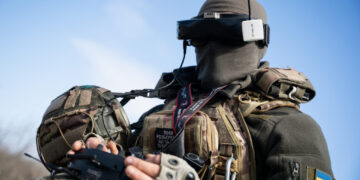
Starlink-equipped drones can maintain communications with their operators over longer distances than conventional radio-controlled systems and are less vulnerable to ordinary jamming. Ukrainian forces already use the technology extensively in battlefield operations inside Ukraine.
If permission is granted to operate the drones across the border, Gady said they could be useful in locating and targeting Russian missile launchers.
However, Trump reportedly remained non-committal when Zelenskyy raised the proposal and did not appear supportive. People familiar with the meeting said they believed Musk would be unlikely to approve the request.
Musk’s decision is particularly significant because Starlink has become vital to Ukraine’s military communications and the operation of unmanned aerial, naval and ground systems.
The billionaire has previously restricted Ukraine’s use of Starlink for offensive operations. In 2022, he cut off access during a Ukrainian operation around occupied Crimea, saying he feared the action could trigger a wider escalation.
Earlier this year, however, SpaceX blocked unauthorised use of Starlink by Russian forces in Ukraine after a direct request from Mykhailo Fedorov, then Ukraine’s defence minister. Ukrainian officials said the move disrupted Russian operations.
Fedorov was removed from government last month but has said he remains in contact with Musk. He acknowledged that persuading Musk to permit Starlink use for strikes inside Russia had proved difficult.
“Let’s just say, it’s a difficult task right now to achieve the outcome we need through this communication,” Fedorov said on August 6.
Musk has not publicly endorsed Ukraine’s latest request. After Fedorov praised him on X this week, Musk replied that he was “Trying to do the right thing” and hoped for peace, without directly addressing the proposal.