









By Enyichukwu Enemanna
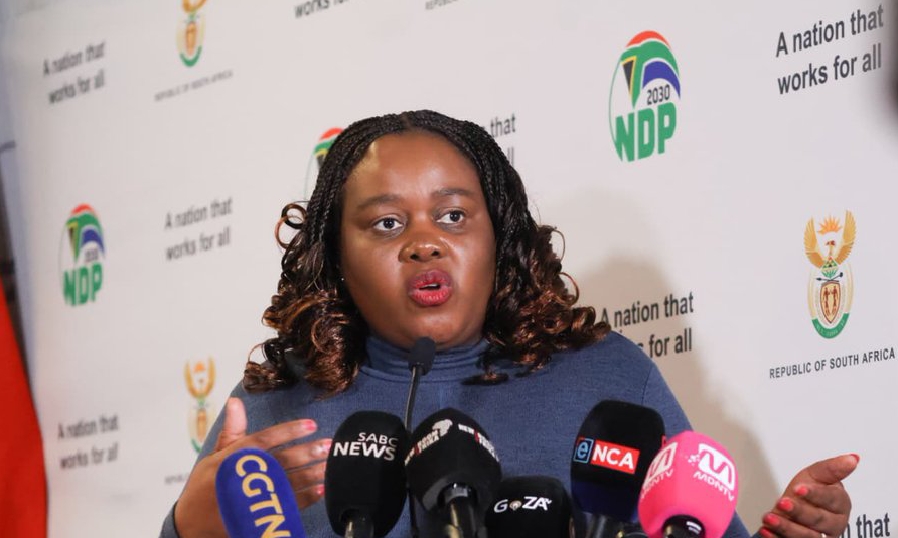
South Africa’s Justice Minister, Mmamoloko Kubayi says the escalation in attacks on foreign nationals living in her country is damaging Pretoria’s global image and fuelling a backlash against businesses and artists.
Speaking at a briefing on Sunday, the Minister urged South Africans to avoid taking laws into their hands and allow the government handle illegal immigration through the proper channels.
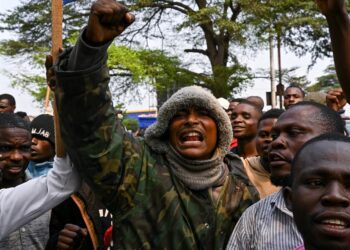
South Africa, liberated from apartheid rule through collective support of other African nations has in recent weeks seen a wave of protests and attacks against other African nationals, some of whom are in the country legally, as anti-immigrant protesters blame them for shortage on employment slots, pressure on infrastructure and crime.
“A majority of South African artists perform on the continent, and many of them are seeing their gigs being cancelled,” Kubayi said, without naming the affected artists.
She also said the government was offering support to South African companies abroad that have been affected following a backlash.
“We do believe that it can not only hurt the brand, but can hurt our social cohesion,” she said, noting that even some South African citizens had been targeted by anti-immigrant groups because of how they looked or spoke.
Xenophobic sentiment has become a recurring issue in South Africa, and has in recent times been given a louder tone by politicians seeking support ahead of local elections in November.
Several countries, including Nigeria, Ghana, Malawi and Mozambique, have evacuated their citizens arising from safety concerns.
The neighbouring Malawi said on Monday it was bringing additional hundreds of citizens home by road from the city of Durban.
Notable global organisations have also lent their voices against the latest surge in xenophobic attacks.
“It is profoundly heartbreaking to witness another surge of xenophobic violence in #SouthAfrica,” the World Health Organization chief Tedros Adhanom Ghebreyesus on X, calling it a “tragic betrayal” of the African nations that supported South Africa during the struggle against apartheid.
He said that five Ethiopians and five Mozambicans had been killed in attacks.
But South Africa’s foreign ministry disputed this claim, saying that the deaths of the Ethiopians were due to organised crime, not xenophobic violence. The deaths of the Mozambicans are under investigation, it said.
“We deeply regret the tragic loss of life in these recent incidents, as one life lost is simply one too many,” said foreign ministry spokesperson Chrispin Phiri.