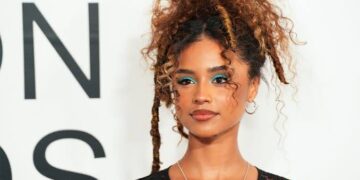












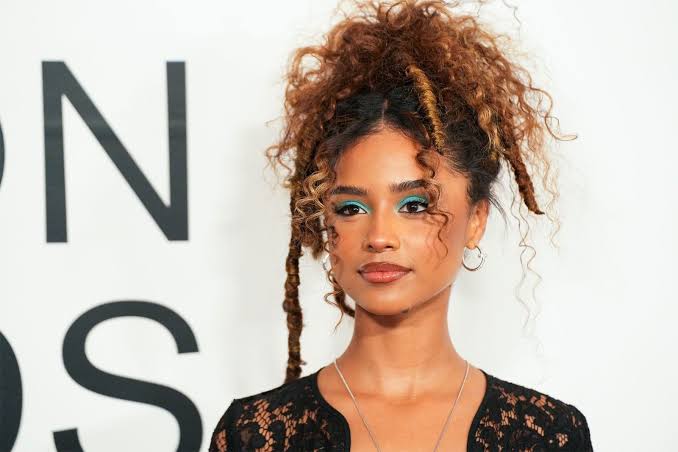
Nigerian artistes are increasingly joining calls for South African Grammy-winning singer Tyla to reconsider her planned performance in Lagos, as anger over alleged xenophobic attacks against Nigerians in South Africa spills into the entertainment industry.
The backlash follows the announcement of Tyla’s APOP World Tour, which is scheduled to bring the South African star to Lagos on December 22, 2026. While the concert has generated excitement among her Nigerian fans, it has also triggered calls for a boycott from Nigerians who say South Africa’s treatment of Nigerians should not be ignored while its entertainers seek to profit from the Nigerian market.
The latest controversy echoes the position previously taken by Nigerian Afrobeats heavyweight Burna Boy, who in 2019 vowed not to return to South Africa following xenophobic attacks against Nigerians. Burna Boy said he had personally experienced xenophobia in the country and declared that he would not return until the South African government took decisive action.
Burna Boy’s stance at the time triggered a major fallout between Nigerian and South African entertainment circles, with some South African artistes demanding an apology from the Nigerian singer.
Now, Nigerian singer Jaywon has added his voice to the growing opposition to Tyla’s Lagos appearance. Jaywon criticised the Water hitmaker over what critics describe as her alleged silence on xenophobic attacks against foreigners, including Nigerians, in South Africa.
The singer’s intervention has intensified an online campaign calling on Nigerians to reject Tyla’s planned performance as a symbolic protest against xenophobia.
The criticism of Tyla centres largely on allegations that she has not publicly spoken strongly enough against incidents involving attacks on foreigners and destruction of their businesses and property. However, the claims about her silence remain part of the criticism directed at her, rather than evidence that she personally supported xenophobic attacks.
For the Nigerian artistes and fans backing the boycott, the controversy goes beyond one concert. They argue that South African entertainers should not enjoy the commercial benefits of Nigeria’s large entertainment market while Nigerians continue to raise concerns about their treatment in South Africa.
South Africa has experienced repeated waves of xenophobic violence targeting migrants from other African countries. Nigerians have frequently been among those caught up in such tensions, making the issue particularly sensitive in Nigeria.
Tyla, one of Africa’s most internationally successful young stars, has a strong following in Nigeria following the global success of Water. Her Lagos concert is therefore expected to attract significant attention if it proceeds.
For Jaywon and those supporting the boycott, however, the issue is about solidarity and accountability.
Therefore, the proposed Lagos concert has consequently become more than an entertainment event, it is now a flashpoint in the continuing debate over xenophobia, African solidarity and whether artistes should speak up when fellow Africans are targeted because of their nationality.