











By Enyichukwu Enemanna
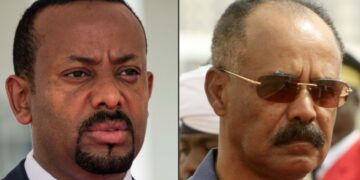
Ethiopia has accused the neighbouring Eritrea of military aggression and of backing armed groups inside Ethiopian territory, a letter from the country’s foreign ministry indicates.
The letter dated February 7 from Ethiopia’s Foreign Minister Gedion Timothewos to his Eritrean counterpart, Osman Saleh, alleged that Eritrean forces had occupied Ethiopian territory along parts of their shared border for an extended period and had provided material support to militant groups operating inside Ethiopia, seeking their immediate withdrawal.
“The incursion of Eritrean troops further into Ethiopian territory… are not just provocations but acts of outright aggression,” the letter said, calling for an end to all cooperation with armed groups.
The two longstanding foes who waged war against each other between 1998 and 2000, signed a peace deal in 2018. They were allies during Ethiopia’s two-year war against regional authorities in the northern Tigray region.
Eritrea was however not a party to the 2022 agreement that ended the Tigray conflict, and relations between the two nations have deteriorated since then.
Recent clashes between Tigrayan forces and Ethiopian troops have raised fear of possible return of full-blown conflict.
An Eritrean government spokesperson said officials were checking whether the letter had been delivered to the foreign ministry.
The Ethiopia’s foreign minister said recent developments pointed to “further escalation,” citing joint military manoeuvres between Eritrean forces and Ethiopian armed groups near the northwestern border.
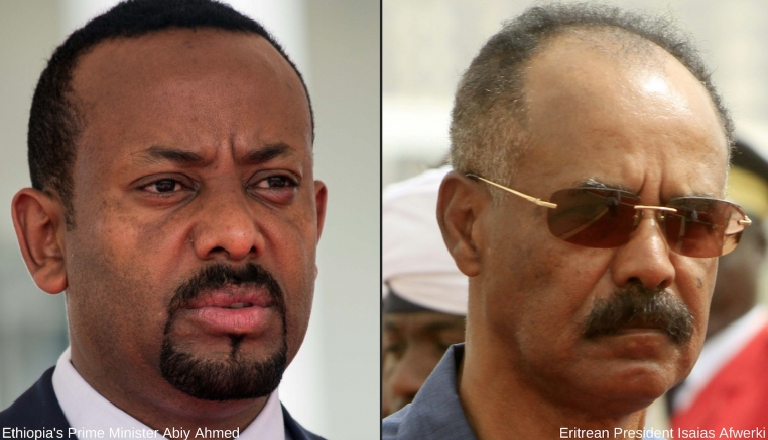
Eritrea has frowned at repeated public declarations by Prime Minister Abiy Ahmed that landlocked Ethiopia has a right to sea access, comments Eritrea, which relies on the Red Sea views as an implicit threat of military action.
In his letter, Gedion said Ethiopia remained open to dialogue if Eritrea respected its territorial integrity.
He said Addis Ababa was willing to engage in good-faith negotiations on all matters of mutual interest, including maritime affairs and access to the Red Sea through the Eritrean port of Assab.