











By Emmanuel Nduka
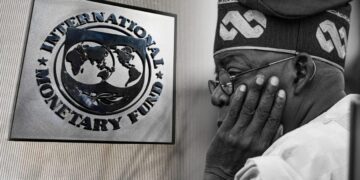
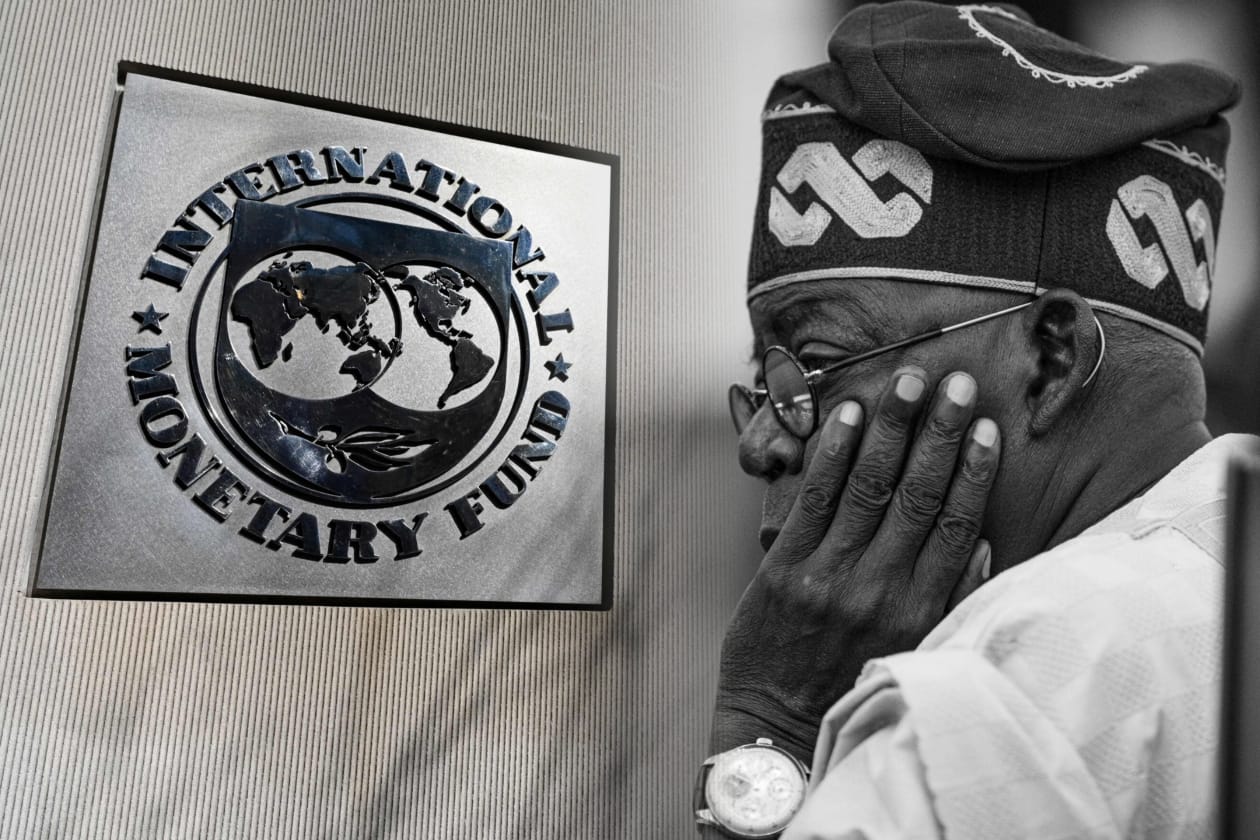
The International Monetary Fund (IMF) has cautioned the President Bola Tinubu-led Nigeria against focusing narrowly on whether to rely on external or domestic borrowing, urging instead a more comprehensive approach centered on debt sustainability and repayment capacity.
Speaking during a media briefing on the Regional Economic Outlook for Sub-Saharan Africa, the Director of the IMF’s African Department, Abebe Aemro Selassie, emphasized that borrowing decisions should not be driven by preference for funding sources, but by the country’s ability to manage and service its debt responsibly.
Heritage Times HT reports that his remarks come amid Nigeria’s rising debt profile, which stood at N159.28 trillion as of December 31, 2025, according to the Debt Management Office (DMO).
Selassie noted that the key issue is not where the funds are sourced from, but whether the debt remains within manageable limits relative to the government’s capacity to meet its obligations without putting excessive pressure on public finances.
He explained that prudent liability management, such as extending debt maturities, could help reduce short-term repayment pressures and support long-term fiscal stability. He also expressed confidence in Nigeria’s ability to navigate its debt challenges, pointing to the technical competence of the DMO.
Recent data indicates that Nigeria’s debt composition is increasingly tilted towards domestic borrowing. Domestic debt rose from N81.82 trillion in September 2025 to N84.85 trillion by December, while external debt stood at N74.43 trillion, representing 46.73 per cent of the total public debt stock.
Despite the shift towards domestic financing, external debt obligations continue to weigh heavily on the country’s foreign exchange position. In 2025 alone, Nigeria spent $5.21 billion servicing external debt, accounting for more than 72 per cent of its total international payments.
In response to these challenges, Nigeria’s Minister of Finance and Coordinating Minister of the Economy, Wale Edun, has called on multilateral institutions to lower borrowing costs and improve access to liquidity for developing countries.
He stressed that affordable financing and better risk management tools are essential to easing debt pressures, particularly in an environment marked by high borrowing costs and limited access to concessional funding