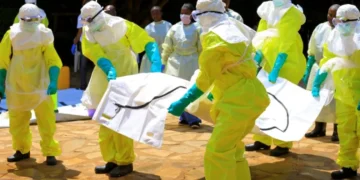















The Federal Ministry of Health and Social Welfare has stepped up nationwide surveillance and emergency preparedness measures to prevent the possible entry of the Bundibugyo strain of Ebola Virus Disease (BEBOV) into Nigeria following outbreaks reported in parts of East and Central Africa.
The ministry, however, reassured Nigerians that there is currently no confirmed case of Ebola Virus Disease in the country.
In a statement issued in Abuja by the Assistant Director of Press and Public Relations, Ado Bako, the ministry said enhanced surveillance and response mechanisms have been activated nationwide as part of the Federal Government’s efforts to strengthen national health security and guard against cross-border transmission of infectious diseases.
According to the statement, preparedness protocols, public health advisories and technical guidance documents have been uploaded to the ministry’s website to support awareness campaigns, stakeholder engagement and compliance with preventive measures.
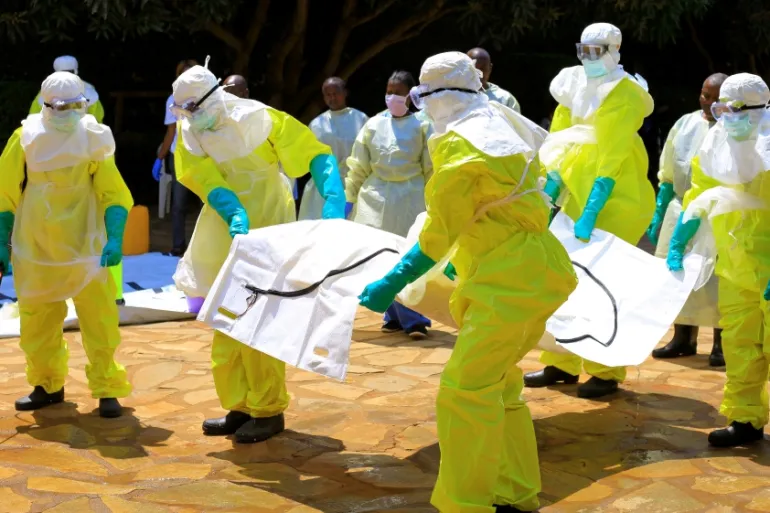
The ministry explained that several precautionary measures are already being implemented at the nation’s borders and points of entry. These include mandatory temperature screening for arriving travellers using non-invasive infrared thermal scanners and handheld thermometers, completion of health declaration forms, travel history assessments and enhanced risk-screening procedures.
It further disclosed that secondary screening, isolation and referral systems have been put in place for travellers showing symptoms associated with viral haemorrhagic fevers, while collaboration has been strengthened with immigration, aviation, maritime and border management agencies to ensure an effective and coordinated response.
The ministry noted that additional preparedness efforts include intensified disease surveillance, scientific monitoring, improved laboratory diagnostic capacity, strengthened emergency coordination mechanisms and increased readiness of healthcare facilities across the country.
While urging citizens to remain calm, the ministry cautioned against the spread of misinformation and unverified reports, stressing that members of the public should rely solely on updates from recognised public health authorities.
Nigerians were also advised to maintain proper hand hygiene, avoid direct contact with bodily fluids of individuals exhibiting symptoms of illness, refrain from handling dead animals or bushmeat from unknown sources and promptly report any unusual sickness or death to the nearest health facility or public health authority.
The ministry reaffirmed its commitment to closely monitoring developments in the affected countries and providing timely updates as the situation evolves.