




















By Ebi Kesiena
The Nigerian Government, in partnership with the World Health Organization and the European Union, has launched a major initiative aimed at strengthening Nigeria’s capacity to prevent and respond to disease outbreaks.
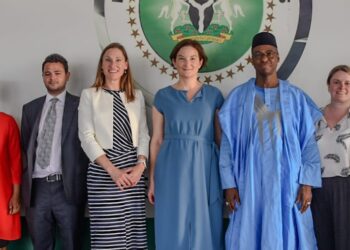
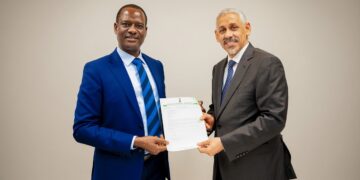
The programme, known as the EU Support to Public Health Institutes in Nigeria (EU SPIN), was formally unveiled in Abuja. The four-year initiative, funded by the European Union with €4.2 million, seeks to improve the ability of public health institutions to detect outbreaks early, enhance data sharing and reduce poor health outcomes nationwide.
The project will be implemented by the WHO in collaboration with the Federal Ministry of Health and Social Welfare.
Speaking at the launch, WHO Country Director in Nigeria, Pavel Ursu, said Nigeria continues to face repeated outbreaks of infectious diseases alongside rising cases of non-communicable diseases such as hypertension and diabetes.
According to him, non-communicable diseases now account for 27 per cent of deaths in Nigeria, while malaria contributes nearly 30 per cent of global malaria deaths. He added that outbreaks of cholera, diphtheria, Lassa fever, meningitis and Mpox remain major public health concerns.
Ursu explained that the initiative would strengthen coordination among public health institutions, improve digital health systems and equip healthcare workers with skills needed for rapid emergency response.
“By improving coordination, skills and digital tools, the project will help protect lives and keep communities healthier,” he said.
He added that by 2028, the programme is expected to establish clearer institutional roles, improve inter-agency coordination and ensure more reliable public health data across federal, state and local levels.
Minister of State for Health and Social Welfare, Iziaq Salako, described the initiative as a significant step toward strengthening Nigeria’s healthcare system.
He commended the EU and WHO for supporting Nigeria’s healthcare reforms, noting that the programme aligns with the Federal Government’s Renewed Hope Agenda and commitment to equitable healthcare delivery.
Also speaking, EU Ambassador to Nigeria, Gautier Mignon, said the partnership reflected a shared commitment to health security and sustainable healthcare systems.