



















By Emmanuel Nduka
Tanzania is recording major gains in trade facilitation following the implementation of sweeping technology-driven customs reforms that have reduced cargo clearance time from more than a week to about three days.
The reforms, powered by the Tanzania Revenue Authority’s Customs Integrated System (TANCIS) and the Tanzania Electronic Single Window System (TeSWS), are transforming customs operations by automating processes, simplifying documentation, and improving coordination among regulatory agencies.
Government officials say the digital platforms are helping to eliminate bottlenecks at ports and border posts, while also strengthening transparency, curbing tax evasion, and tackling smuggling activities.
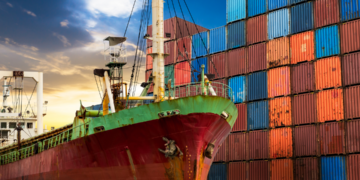
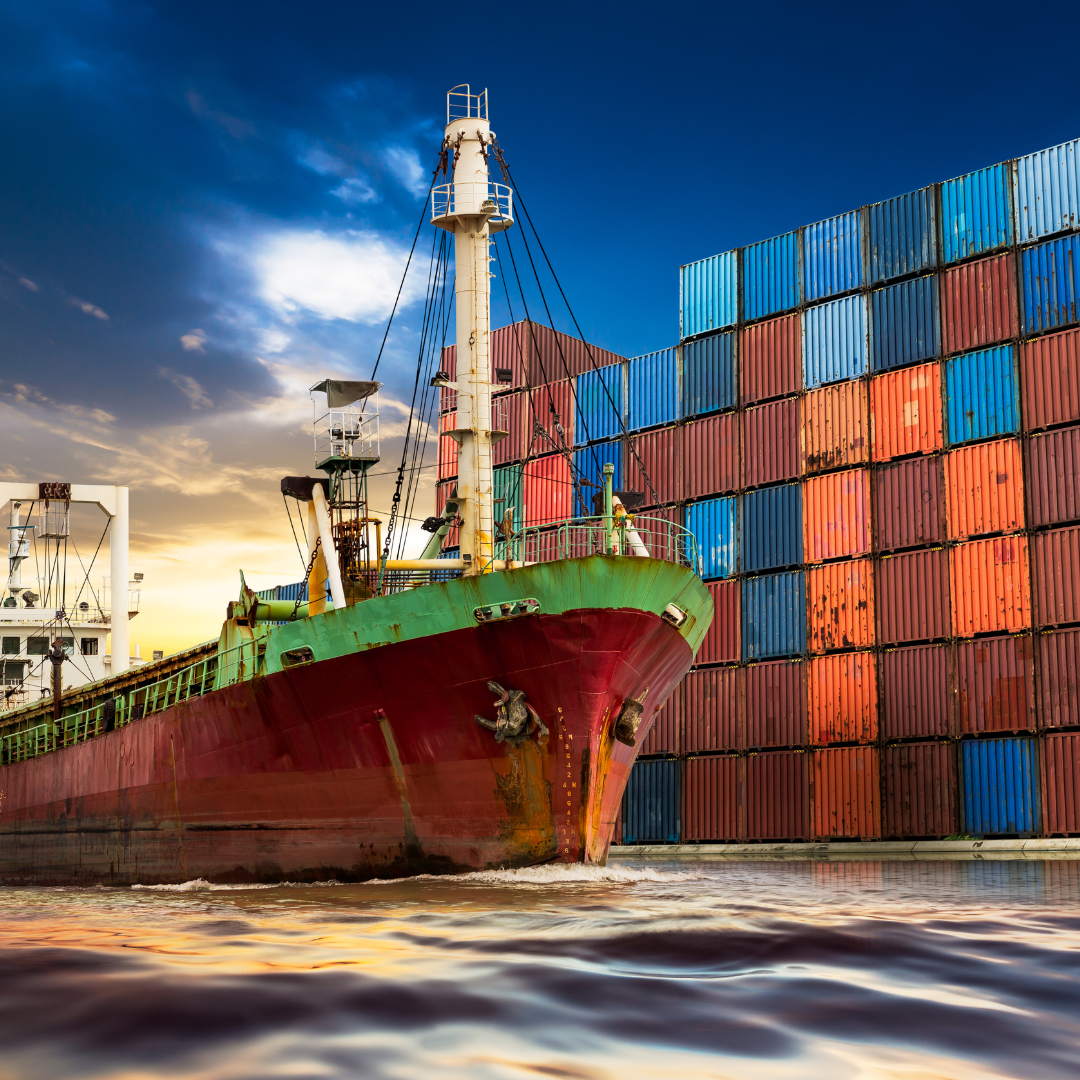
The reforms have played a significant role in improving operations at the Port of Dar es Salaam, where modernization projects and digital upgrades have reduced cargo dwell times and boosted efficiency.
The port is increasingly emerging as a preferred trade gateway for several landlocked African countries, including Zambia, Rwanda, Burundi, and the Democratic Republic of Congo, due to faster processing and improved logistics systems.
As part of broader regional trade integration efforts, the East African Community is also implementing a single regional customs bond system aimed at reducing compliance costs and easing cargo transit across member states.
Trade experts say the adoption of automated customs systems is strengthening Tanzania’s position as one of East Africa’s fastest-growing trade and logistics hubs.
Studies assessing the impact of the Tanzania Electronic Single Window System indicate that the platform has significantly accelerated cargo processing by integrating multiple agencies into a unified digital framework.
Authorities have pledged to sustain investments in ICT infrastructure, anti-smuggling technology, and digital intelligence-sharing systems as part of efforts to build a more competitive and efficient trading environment.
The reforms align with wider continental efforts to modernise customs administration through technology in order to boost trade efficiency, increase government revenue, and deepen regional economic integration across Africa.