


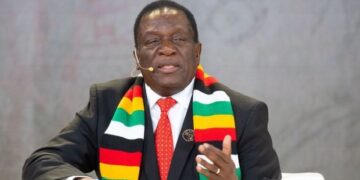














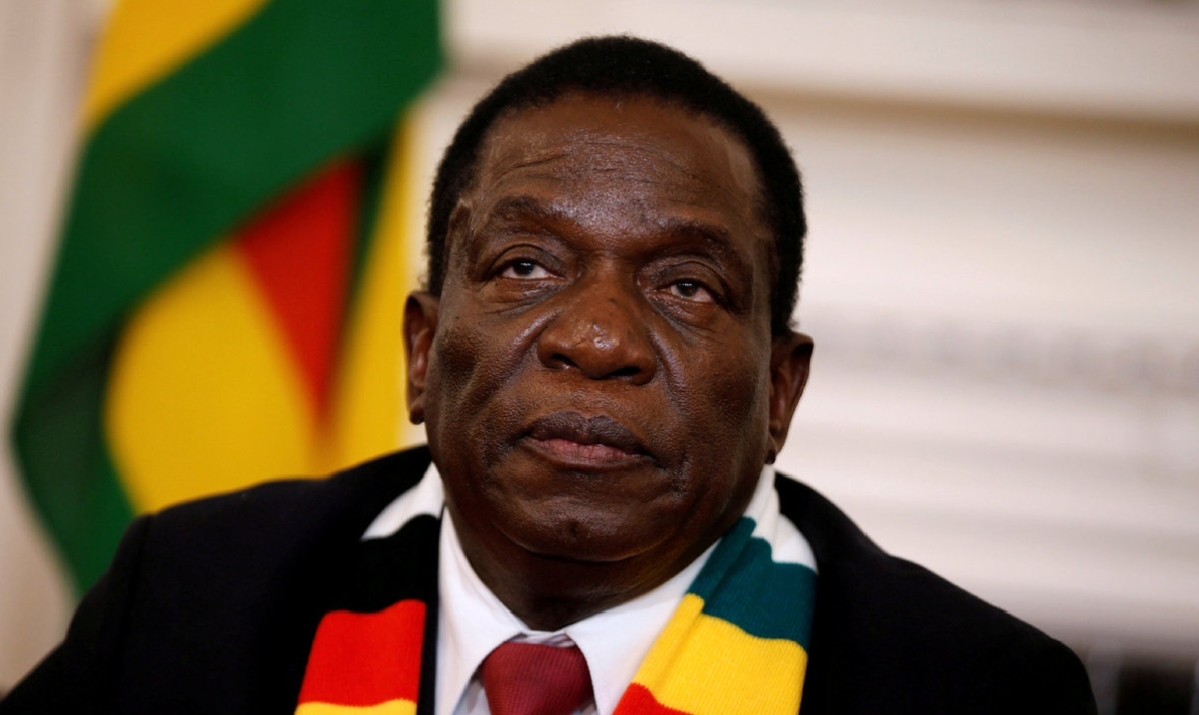
Zimbabwe’s Justice Minister Ziyambi Ziyambi on Tuesday introduced a bill before the parliament which shifts the country’s election due for 2028 to 2030, extending President Emerson Mnangagwa’s tenure by additional two years.
Also under the proposal, the President, MPs, councilors and mayors will have their terms of office extended from five to seven years. It also proposes a shift in presidential elections from a direct popular voting system to selection by elected parliamentarians.
The move has heightened political tensions in the Southern African nation where critics of the government have often been detained or harassed.
The Justice Minister last week said he aims to complete the legislative process and get the proposal passed by Parliament by the end of June, after which Mnangagwa can sign it into law.
Mnangagwa has been in power since 2017 following the popular military-backed ouster of his mentor and longtime ruler, Robert Mugabe, who died in 2019.
Mnangagwa’s ZANU-PF party has a majority in Parliament, and also enjoys the support of a faction of the splintered opposition.
Critics say extending presidential terms requires a referendum.
Government supporters however insist that the Parliament can approve the changes because the two-term limit would remain in place, even if each term would now extend to two additional years.
Zimbabwe’s Constitutional Court is yet to rule on several legal challenges to the proposal.