







By Emmanuel Nduka
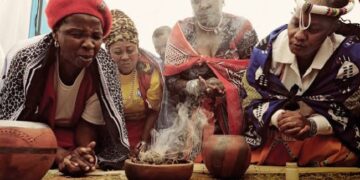
As the Democratic Republic of Congo (DRC) grapples with an ongoing Ebola outbreak driven by the rare Bundibugyo strain, traditional healers in the country’s eastern Ituri Province are stepping forward with claims that they possess remedies capable of treating the deadly disease.
The outbreak, which has placed Ituri at the centre of regional and international health concerns, presents a unique challenge for health authorities. Unlike some previous Ebola strains, the Bundibugyo variant currently has no approved vaccine or officially recognized treatment, leaving communities vulnerable and desperate for solutions.
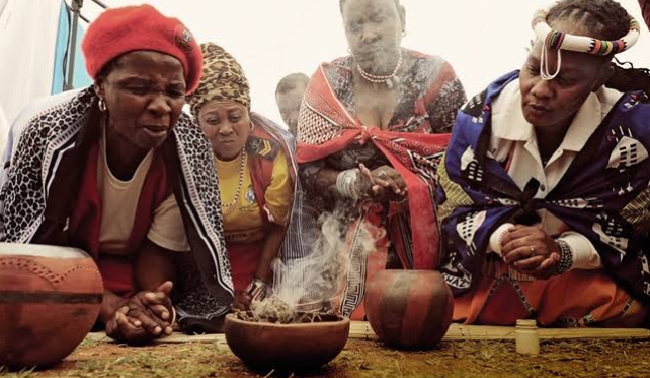
In many parts of eastern Congo, where access to hospitals and modern healthcare remains limited, traditional medicine continues to play a significant role in everyday life. For generations, residents have relied on herbal practitioners and indigenous healers for treatment of various ailments, often viewing them as the first point of contact during health emergencies.
Among those offering hope is traditional healer Mariam Kabika, who believes locally sourced plants can help combat the virus.
Displaying a handful of freshly harvested leaves, Kabika explained how she prepares her herbal remedy.
“I mix these leaves with other ingredients that I already have. I add aloe vera, wash everything carefully, and boil the mixture with water. Once it is ready, I can administer it to someone suffering from Ebola,” she said.
Her confidence reflects a broader belief among many traditional practitioners in the region that indigenous knowledge holds answers where modern medicine is still searching.
Although traditional healing is not formally integrated into Congo’s public healthcare system, practitioners operate under a regulated framework and are required to obtain licences to practice.
Dauda Tshimanga, another traditional healer, argued that local practitioners have not been adequately involved in the country’s Ebola response despite their influence within communities.
“Traditional medicine and modern medicine are both important components of public health. However, traditional healers have not yet been invited to participate in the fight against Ebola,” Tshimanga said.
He further claimed that traditional practitioners have conducted their own investigations and research into possible treatments.
“On our side, we have carried out our own studies and we are convinced that we have remedies for Ebola. I am not the only person who believes this,” he added.
Medical experts, however, caution that no scientific evidence currently exists to support claims that traditional herbal preparations can cure Ebola. Public health authorities continue to emphasise the importance of laboratory-tested treatments, isolation measures, contact tracing, and infection prevention protocols in containing outbreaks.
Despite the lack of scientific validation, traditional healers remain highly respected figures in many Congolese communities. Their influence often extends beyond healthcare, making them important partners in public awareness campaigns.
During previous Ebola outbreaks, the World Health Organization and other health agencies worked closely with traditional healers to encourage safe burial practices, improve community trust, and promote adherence to infection-control measures. Health officials believe such collaboration can help bridge the gap between modern medical interventions and local cultural beliefs.
As the outbreak continues, the debate over the role of traditional medicine in combating Ebola is likely to intensify, especially in remote communities where access to formal healthcare remains a challenge. For now, however, health authorities insist that any treatment claiming to cure the virus must undergo rigorous scientific testing before it can be considered safe and effective.This version reads more like a professional newspaper feature while maintaining the factual substance of the original report.