








By Emmanuel Nduka
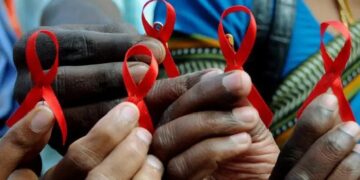
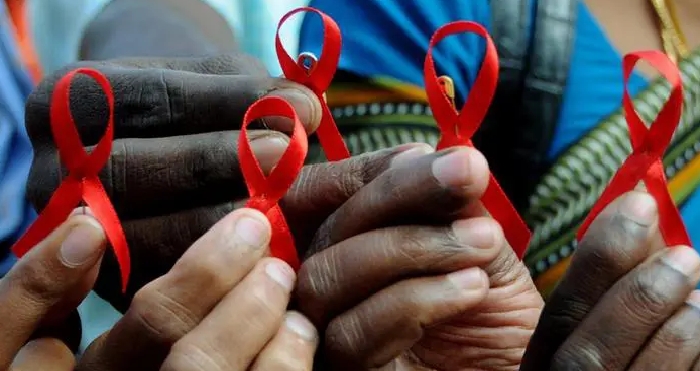
The United States has announced plans to phase out funding for HIV/AIDS programmes in South Africa, a move that could significantly affect one of the world’s largest HIV treatment and prevention efforts and further strain already tense relations between the two countries.
The decision, confirmed by a US State Department official, will see a gradual withdrawal of support provided through the President’s Emergency Plan for AIDS Relief (PEPFAR), which until recently contributed about $400 million annually to South Africa’s HIV response.
South Africa has the world’s largest HIV-positive population, with more than eight million people living with the virus. PEPFAR funding has accounted for roughly one-fifth of the country’s HIV programme spending.
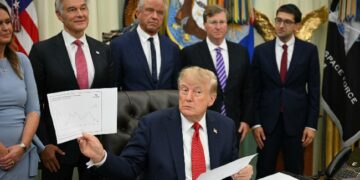
According to the US government, the funding withdrawal is linked to what it described as South Africa’s failure to make progress on policy concerns raised by the administration of President Donald Trump.
The State Department official said the phased drawdown was intended to encourage greater self-reliance and reduce dependence on American aid, arguing that South Africa, as a middle-income country, possesses the capacity to finance its own health programmes.
The announcement marks the latest development in deteriorating relations between Washington and Pretoria since President Trump returned to office.
Shortly after his inauguration, Trump signed an executive order accusing South Africa of implementing policies that discriminate against white Afrikaners and contribute to violence against white landowners. The South African government has consistently rejected those claims.
Pretoria maintains that its Black Economic Empowerment policies are designed to address the economic inequalities created during the apartheid era and are not aimed at marginalising any racial group.
The executive order also cited South Africa’s case against Israel at the International Court of Justice and its diplomatic ties with Iran as reasons for reassessing bilateral relations.
The White House subsequently declared that continued aid to South Africa was no longer justified under what it called “unjust and immoral practices.”
President Trump has repeatedly claimed that a “white genocide” is occurring in South Africa — an allegation that has been widely discredited by researchers, rights groups and the South African government. Nevertheless, the administration has established a refugee programme for Afrikaners, descendants of European settlers who arrived in southern Africa centuries ago.
Although PEPFAR funding received a temporary extension through a “bridge plan” approved last October, US officials have now confirmed that the programme will be gradually wound down.
South Africa’s Health Ministry said it had not received formal notification of the funding withdrawal but stressed that the government has long been preparing for greater financial independence in its HIV response.
The ministry also sought to reassure citizens that life-saving antiretroviral medications would remain available, noting that the procurement of these drugs is funded separately, largely through government resources rather than PEPFAR support.
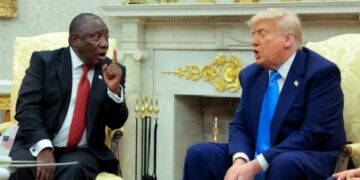
Efforts to repair relations between the two countries have so far yielded little success. A high-profile meeting between President Trump and South African President Cyril Ramaphosa last year failed to ease tensions, with the US leader again raising allegations of persecution against white South Africans.
The diplomatic chill was further highlighted when the United States boycotted the G20 summit hosted by South Africa last November.
With the withdrawal of PEPFAR support now set in motion, health experts and policymakers will be watching closely to assess the impact on South Africa’s extensive HIV prevention and treatment programmes, as well as the broader implications for US-South Africa relations.