



















By Emmanuel Nduka
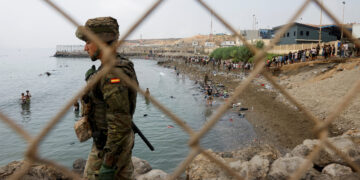
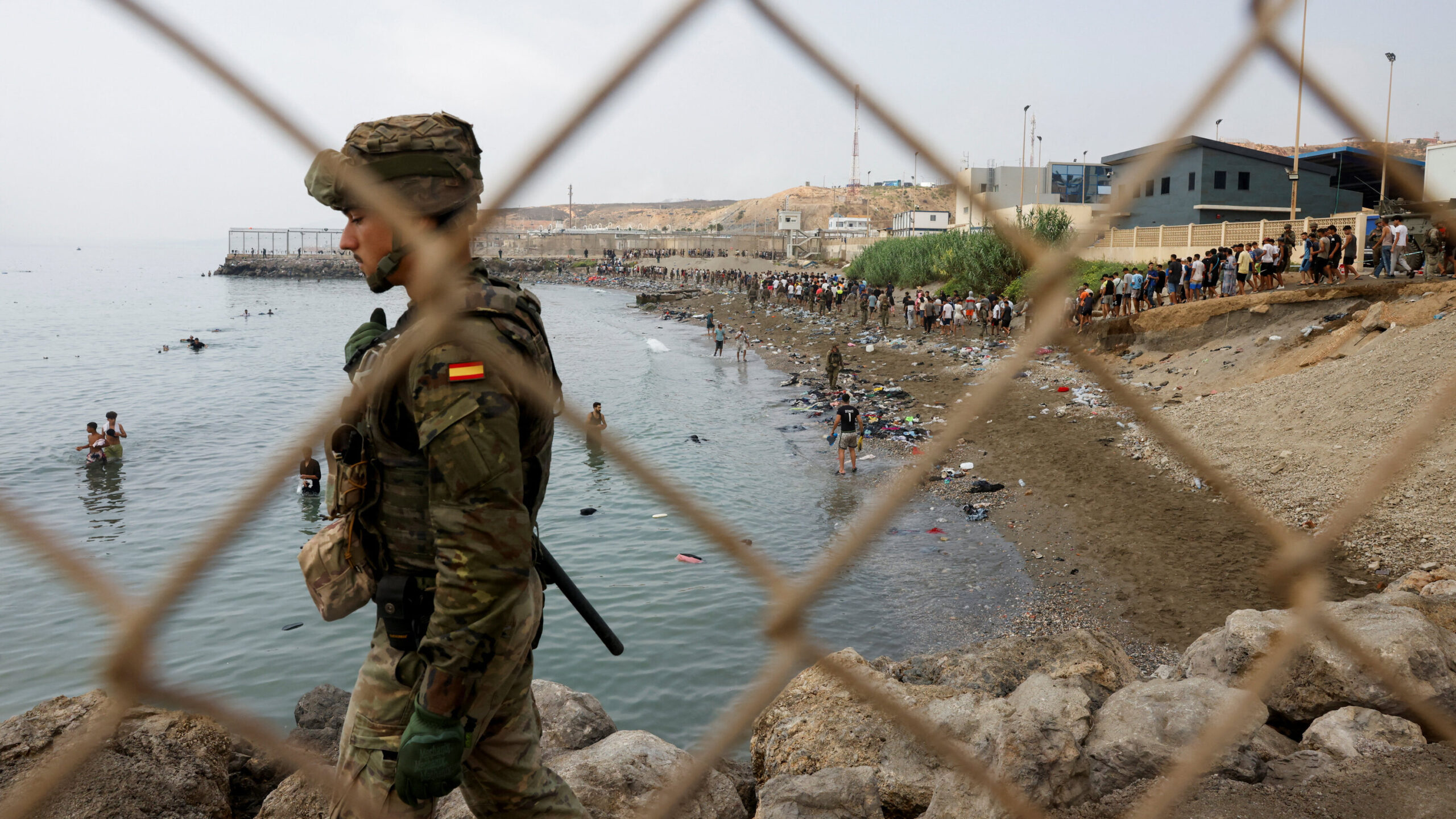
Moroccan migrants stranded in Spain’s North African enclave of Ceuta are demanding the right to apply for asylum, as thousands remain caught in limbo weeks after an unprecedented mass crossing from Morocco triggered one of Spain’s worst migration crises in years.
The migrants, many of whom are living in makeshift camps on beaches, say they should be allowed to seek international protection rather than face automatic removal to Morocco.
The appeal comes amid growing tensions in Ceuta, where the arrival of tens of thousands of migrants in late July has placed enormous pressure on local authorities and intensified an already heated debate over immigration, border security and Spain’s relationship with Morocco.
More than 70,000 people crossed into Ceuta on July 30 and 31, according to Spanish authorities, with most subsequently returning to Morocco or being sent back. However, around 5,000 migrants are still believed to be in the enclave, including a significant number of young people and unaccompanied minors.
Many of those remaining have been sleeping in tents and makeshift shelters, including at El Trampolín beach, where migrants have complained about poor living conditions, limited access to medical care and uncertainty over their future.
One Moroccan migrant questioned why nationals from Morocco were seemingly unable to access the asylum process in the same way as migrants from other countries.
“The issue of asylum works against Moroccans because we do not have the right to apply for asylum,” the migrant said, arguing that people from sub-Saharan African countries and other Arab nations, including Yemen, Sudan, Egypt, Algeria and Tunisia, have been able to seek asylum.
Heritage Times HT reports that frustration is growing among migrants who say they have been left with few options after entering Spanish territory.
Some say they travelled to Ceuta in search of employment and better living conditions, while others hope to reunite with relatives already living in Spain.
At El Trampolín beach, migrants have described sleeping outdoors for weeks, amid concerns about sanitation and access to healthcare. Some have also expressed reluctance to move into official reception facilities following Madrid’s announcement that it intends to deport migrants who entered Ceuta during the July border surge.
The humanitarian situation has unfolded alongside mounting anger among Ceuta residents and across mainland Spain.
The unprecedented influx has triggered demonstrations in several Spanish cities, with protesters accusing Prime Minister Pedro Sánchez’s government of failing to adequately protect Ceuta and manage the aftermath of the border crossing.
Tens of thousands of people took to the streets across Spain on Wednesday, with authorities estimating that about 50,000 people demonstrated in Madrid alone. Protesters waved Spanish flags and demanded stronger action over the continued presence of migrants in Ceuta.
The crisis has also become a major political controversy, with opposition parties questioning the government’s handling of the border surge and demanding answers about how such a large number of people were able to enter the territory.
Sánchez has rejected claims that Morocco deliberately orchestrated the mass crossing, saying there is no solid evidence that Moroccan authorities planned the incident. However, he acknowledged that Moroccan police allowed crossings to continue during a crucial 10-hour period on July 30, when the number of arrivals peaked.
A Spanish police report that emerged this week has nevertheless intensified the controversy. The report reportedly points to unusual passivity by Moroccan security forces and raises the possibility that some Moroccan officers may have facilitated the movement of migrants, although it does not establish that the Moroccan government ordered or organised the operation.
Morocco has rejected suggestions that it deliberately allowed the border to be overwhelmed.
The political dispute has done little to resolve the immediate predicament of the migrants still in Ceuta.
For those sleeping on beaches and waiting for a decision, the central question remains whether they will be allowed to stay, returned to Morocco or given an opportunity to have individual asylum claims considered.
Meanwhile, Ceuta continues to grapple with the consequences of the mass arrival.
Spanish prosecutors have also reported 23 sexual-assault cases since the migrant influx, including nine involving children, adding another layer to the growing humanitarian and security concerns surrounding the crisis.
As pressure mounts on Madrid, the migrants stranded in Ceuta remain caught between a country they say they left in search of better opportunities and a Spanish territory where their future remains uncertain.