










By Enyichukwu Enemanna
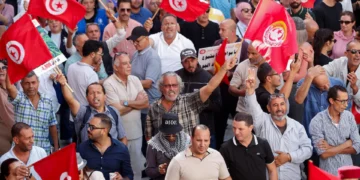
Hundreds of Burundians living in Kenya are in a last-minute scramble to process travel documents to leave the country, ahead of commencement of clampdown on unlicensed small businesses run by non-Kenyans.
Kenya’s President William Ruto had set Monday as the deadline for foreigners operating small-scale businesses to cease work, after the trade ministry said some exploited visa rules to work without the required permits.
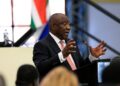
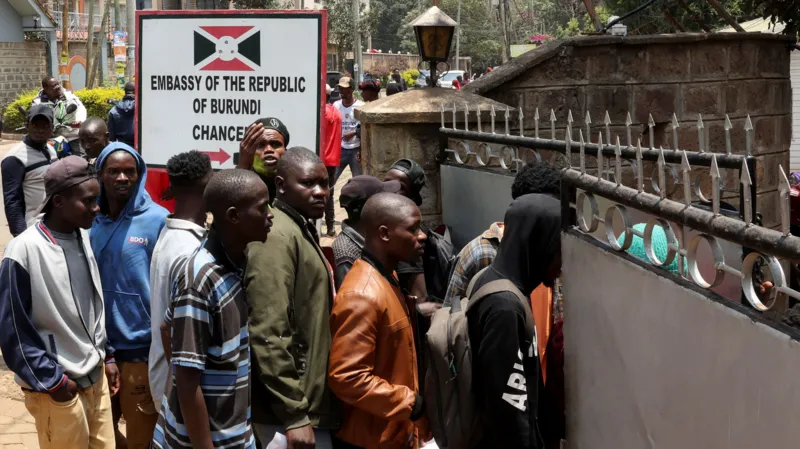
Long queues were seen outside Burundi’s embassy in the capital Nairobi after it said it would offer free emergency travel documents to citizens who are willing to go home, while others are rushing to buy bus tickets.
Kenya hosts hundreds of thousands of migrants from across East Africa seeking job and business opportunities.
Kenya’s trade ministry said there had been “deliberate misuse of visa applications by some visitors”, who arrived as investors or tourists but got involved in business activities that breached their declared status.
According to the United Nations refugee agency, there are around 16,000 Burundian refugees and asylum seekers in Kenya.
It is unclear how many are involved in small-scale trading or how many would be affected by the crackdown.
Burundians have been seen carrying all their belongings – from suitcases to mattresses – as they try to leave ahead of the crackdown, but some of them said they could not afford the cost of travel and urged the Kenyan government to extend the deadline.
Ruto’s directive follows a similar crackdown in Tanzania last year and rising anti‑migrant sentiment in South Africa.
Burundi’s Foreign Affairs Minister Edouard Bizimana said in a post on X that “Kenyans in Burundi were living peacefully but if the hate speech against Burundi continues things will certainty change”.
“Kenya government is responsible for the lives of Burundians living in Kenya,” he added.
His comments came after Ruto last week said that while Kenya remained open to foreign investment, it could not be “that a person comes from China or elsewhere to be a hawker or open a small shop”.
He argued that investors should create jobs and expand production rather than compete with Kenyans in small businesses.
Ruto’s comments sparked mixed reactions, with some critics describing them as a populist move that risked stoking xenophobia, an allegation the government denies.
On Sunday, a top official in Kenya’s foreign affairs ministry said foreigners, with the required documentation, including “work permits and licences”, could continue their activities.
“Burundian nationals and all East Africans – and Africans for that matter – are free to live in Kenya as long as they conduct their businesses or work according to the requirements of our laws”, Permanent Secretary Korir Sing’oei said.