







Nigeria and the United Kingdom have reaffirmed their commitment to strengthening bilateral relations and translating existing agreements into concrete outcomes across security, trade, migration, investment and development.
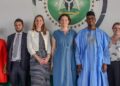
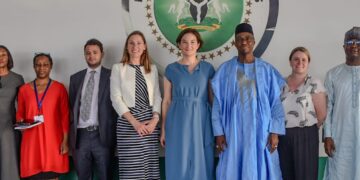
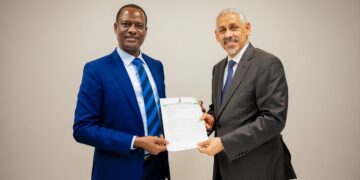
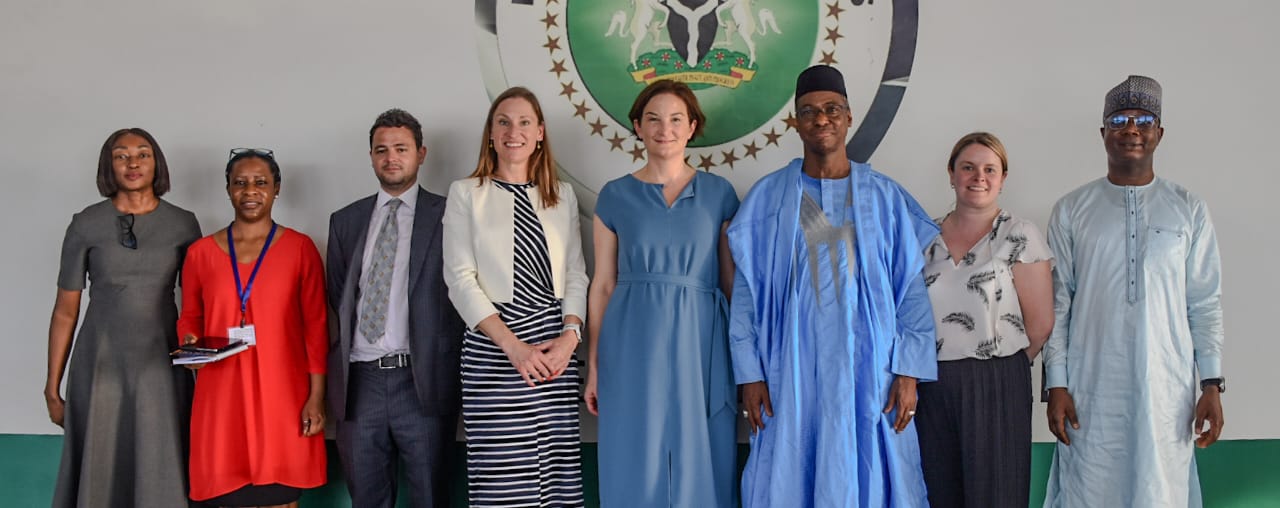
This was contained in a statement issued by the spokesperson of the Ministry of Foreign Affairs, Oluwafemi Adeniyi, following a meeting between the Permanent Secretary of the ministry, Ambassador Dunoma Umar Ahmed, and the UK Director-General, Diplomatic Network, Foreign, Commonwealth and Development Office, FCDO, Christiana Scott in Abuja.
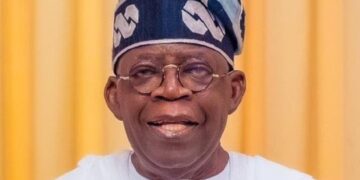
The meeting focused on consolidating bilateral relations and advancing commitments arising from President Bola Tinubu’s last State Visit to the UK. Both sides identified the Defence and Security Partnership and the Migration, Justice and Home Affairs Dialogue as key frameworks for strengthening cooperation and monitoring progress on shared priorities.
Ahmed highlighted opportunities for expanded cooperation in solid minerals, agriculture, renewable energy, transport and industry, stressing the importance of local value addition, technology transfer, job creation and sustainable economic growth.
He also called for improved access to the UK market through the easing of restrictions on Nigerian products.
The Permanent Secretary outlined the Four Ds of President Tinubu’s foreign policy priorities, Demography, Development, Diaspora and Democracy, while emphasising the strategic role of the Nigerian diaspora in promoting economic cooperation and people-to-people ties.
He reaffirmed Nigeria’s support for African-led solutions to regional challenges, stronger African Union and ECOWAS institutions, and the full implementation of the African Continental Free Trade Area, AfCFTA.
According to the statement, Ahmed also called for a structured follow-up mechanism with clear timelines, institutional responsibilities and measurable targets to ensure implementation of bilateral agreements.
Scott acknowledged Nigeria’s economic reform efforts and expressed the UK’s interest in facilitating greater participation by British businesses in emerging investment opportunities. She also disclosed plans for business engagements in Lagos, including discussions on opportunities in the port sector.
The two countries further discussed regional security, with the UK reaffirming support for stability through its Sahel strategy, while both sides pledged enhanced intelligence-sharing, technological support and institutional capacity-building to combat terrorism, violent extremism and transnational crime.
The meeting also covered democratic governance, credible elections, misinformation, artificial intelligence-generated content, food security, rail infrastructure, electrification, climate action, green finance and agricultural value chains.
Both sides agreed to sustain diplomatic engagement and strengthen institutional cooperation for mutual benefit.