















By Emmanuel Nduka
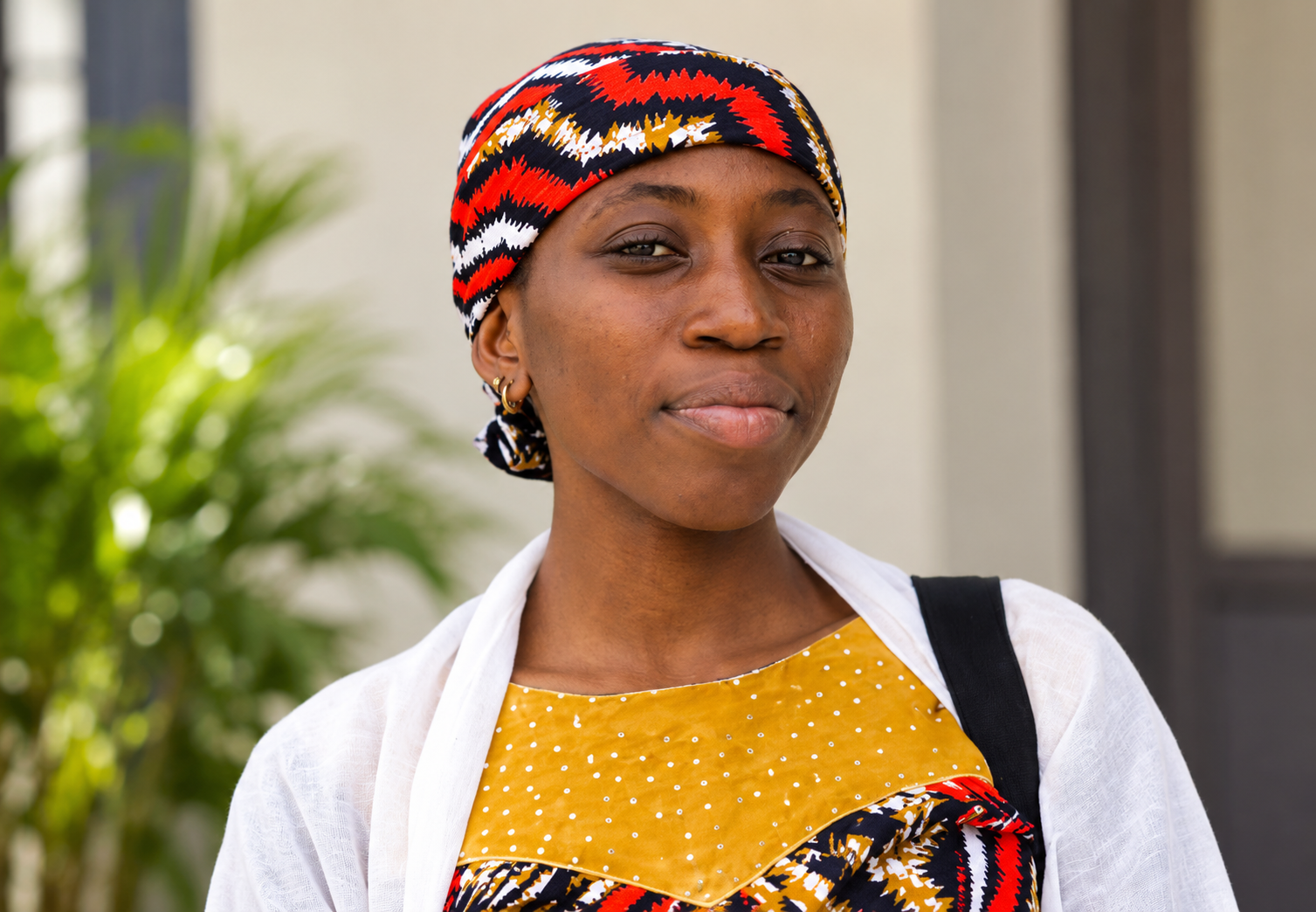
A 23-year-old journalist with Nagarta Radio in the northern Nigerian state of Kaduna, Farida Isiak, has recounted her ordeal in police custody after a Facebook post criticising the treatment of her parents triggered a chain of events that culminated in her initial four-year prison sentence, drawing condemnation from Amnesty International and the Nigeria Union of Journalists (NUJ).
Isiak said she was detained at the Mararaban Jos Police Station after going there to secure the release of her father, who had reportedly been held after visiting the station to seek his wife’s release. The incident began with a disagreement between her mother and a neighbour over ₦100 change from a charcoal sale.
According to reports, the police had arrested her mother following the dispute, prompting Isiak to express her displeasure on Facebook over what she considered the unlawful treatment of her family. Her father was subsequently detained after he went to the station to secure his wife’s release, with family sources alleging that the detention was used to compel the journalist to report to the police.
Recounting her experience, Isiak told Peoples Gazette on telephone that she went to the station because her father was being held and hoped that an apology and the removal of her Facebook post would resolve the matter.
She said she was asked to delete the post and apologise to the Divisional Police Officer, Usman Adamu, in the hope that her parents would be released. Despite complying, she was subsequently detained and told she would be taken to court.
Isiak alleged that she was asked to kneel and apologise to the DPO in the presence of family members and community leaders who had accompanied her to the station. She said she explained that she had not intended to cause harm or provoke a confrontation, but her attempts to resolve the matter amicably did not prevent her detention.
The journalist said she spent the night at the police station before being taken to a Sharia Court in Kawo, Kaduna, where she was accused of defaming the police officer. She admitted authoring the Facebook post but maintained that she had not intended to defame anyone.
She further alleged that she was not given an opportunity to have a lawyer represent her during the initial proceedings, despite lawyers arriving at the court. The court subsequently sentenced her to four years’ imprisonment, with an option of a ₦1.75 million fine.
Following the intervention of her lawyer, Mukhtar Abubakar, the initial conviction was set aside, allowing Isiak to enter a fresh plea. She was subsequently granted bail, while the case was adjourned until November 3, 2026.
Amnesty International has condemned the journalist’s arrest and initial sentencing, describing the proceedings as a travesty of justice and accusing the authorities of using the judicial system to punish criticism of police conduct.
The human rights organisation said the circumstances surrounding the case raised serious concerns about the alleged detention of Isiak’s parents to compel her appearance at the police station. It called for the charges against her to be dropped and demanded an independent investigation into the conduct of the officers involved.
Amnesty International maintained that citizens have a constitutional right to demand accountability from public institutions, warning against the use of defamation allegations to intimidate journalists and restrict freedom of expression.
The NUJ has also demanded an impartial investigation into the circumstances surrounding Isiak’s arrest, the reported detention of her parents and the initial court proceedings.
In a statement by its National President, Alhassan Yahya Abdullahi, the union said her release on bail should not be mistaken for a resolution of the issues raised by the case. It urged the relevant judicial authorities to scrutinise the jurisdiction of the court, the fairness of the initial proceedings and the legal basis for the sentence.
The union further called on the Kaduna State Commissioner of Police to ensure a transparent and professional investigation into the incident, insisting that the forthcoming retrial must respect Isiak’s right to a fair hearing and provide her with an opportunity to present her defence without intimidation or prejudice.
The NUJ cited Sections 35, 36 and 39 of the 1999 Constitution, as amended, which provide for personal liberty, fair hearing and freedom of expression. It stressed that while journalists are not above the law, allegations of defamation must be handled in accordance with due process and constitutional safeguards.
However, the Kaduna State Police Command has defended its handling of the case, arguing that the controversy should not be viewed solely as an attempt to suppress press freedom.
In a statement signed by its spokesperson, DSP Mansir Hassan, the command said the Facebook post contained remarks directed at the police, the DPO and his family. It maintained that the circumstances should be examined objectively and in their proper context, rather than drawing conclusions without a comprehensive assessment of the facts.
The police also said the Commissioner of Police had intervened to facilitate an amicable resolution, while urging media organisations to verify allegations against public institutions and give all relevant parties an opportunity to respond.
The unfolding case has raised wider questions about police accountability, the limits of freedom of expression and the protection available to journalists who criticise public officials. With the retrial scheduled for November 3, attention will turn to whether the proceedings address the concerns raised by the NUJ, Amnesty International and the journalist’s legal representatives.