
















By Emmanuel Nduka
Former Nigerian President Goodluck Jonathan has called on African countries to invest in research-intensive universities as part of efforts to accelerate industrialisation, strengthen economic sovereignty and equip young people with the skills needed to compete in the global economy.
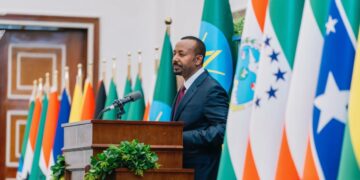
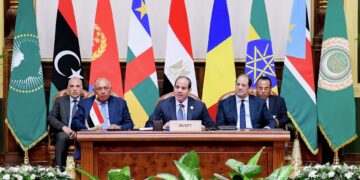
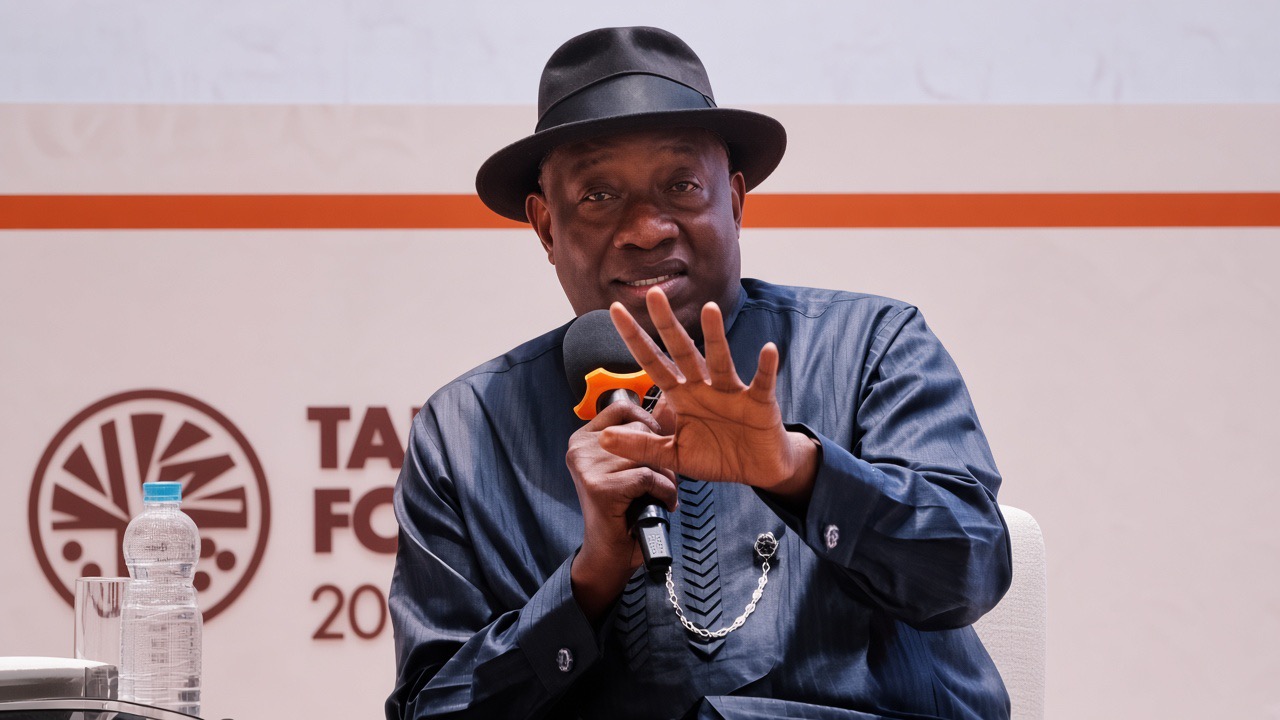
Jonathan made the call while participating in the closing panel of the 12th Tana High-Level Forum in Bahir Dar, Ethiopia, where African leaders and other stakeholders examined the geopolitical and economic transformations required to advance the continent’s development.
He said Africa must prioritise institutions that generate knowledge, promote innovation and develop advanced skills to drive economic growth, stressing that the continent could not achieve sustainable development by relying primarily on technologies developed elsewhere.
“For Africa to achieve sustainable growth, economic sovereignty and robust industrialisation that create productive opportunities for our teeming youth, we must deliberately invest in research-intensive universities which serve as factories for producing knowledge,” Jonathan said.
“They are special educational institutions, centres of research, innovation and advanced skills where knowledge is transformed into productive enterprise,” he added.
The former president cited the experiences of India, Singapore and South Korea as examples of countries that have leveraged scientific and technological capabilities to promote industrial development, nurture innovation and build globally competitive economies.
He argued that African countries must move beyond being consumers of foreign technology to becoming creators, producers and exporters of technology, knowledge and innovation.
According to him, achieving this transition requires sustained investment in science, engineering, digital technologies and applied research, alongside stronger collaboration between universities, industries and governments.
Jonathan also emphasised the need to prepare young Africans to play a leading role in shaping the global economy rather than merely participating in it, noting that their ingenuity, entrepreneurial capacity and ability to develop homegrown solutions would be critical to addressing the continent’s development challenges.
He maintained that Africa’s economic transformation would depend largely on its ability to harness indigenous knowledge, strengthen local productive capacity and build institutions capable of translating research and innovation into tangible economic outcomes.
“Africa’s transformation and economic sovereignty must be built on African knowledge, driven by African ingenuity and sustained by African enterprise,” he said.