















By Emmanuel Nduka
Former Nigerian President Goodluck Ebele Jonathan has called on African leaders to adopt a common continental position on reparations and debt relief, urging the African Union (AU) to coordinate the continent’s demands and strengthen its bargaining power in engagements with the international community.
Jonathan said Africa must pursue a coordinated and pragmatic approach to the issues, arguing that a unified position would better protect the continent’s shared interests and give greater weight to its demands on matters of historical justice and economic redress.
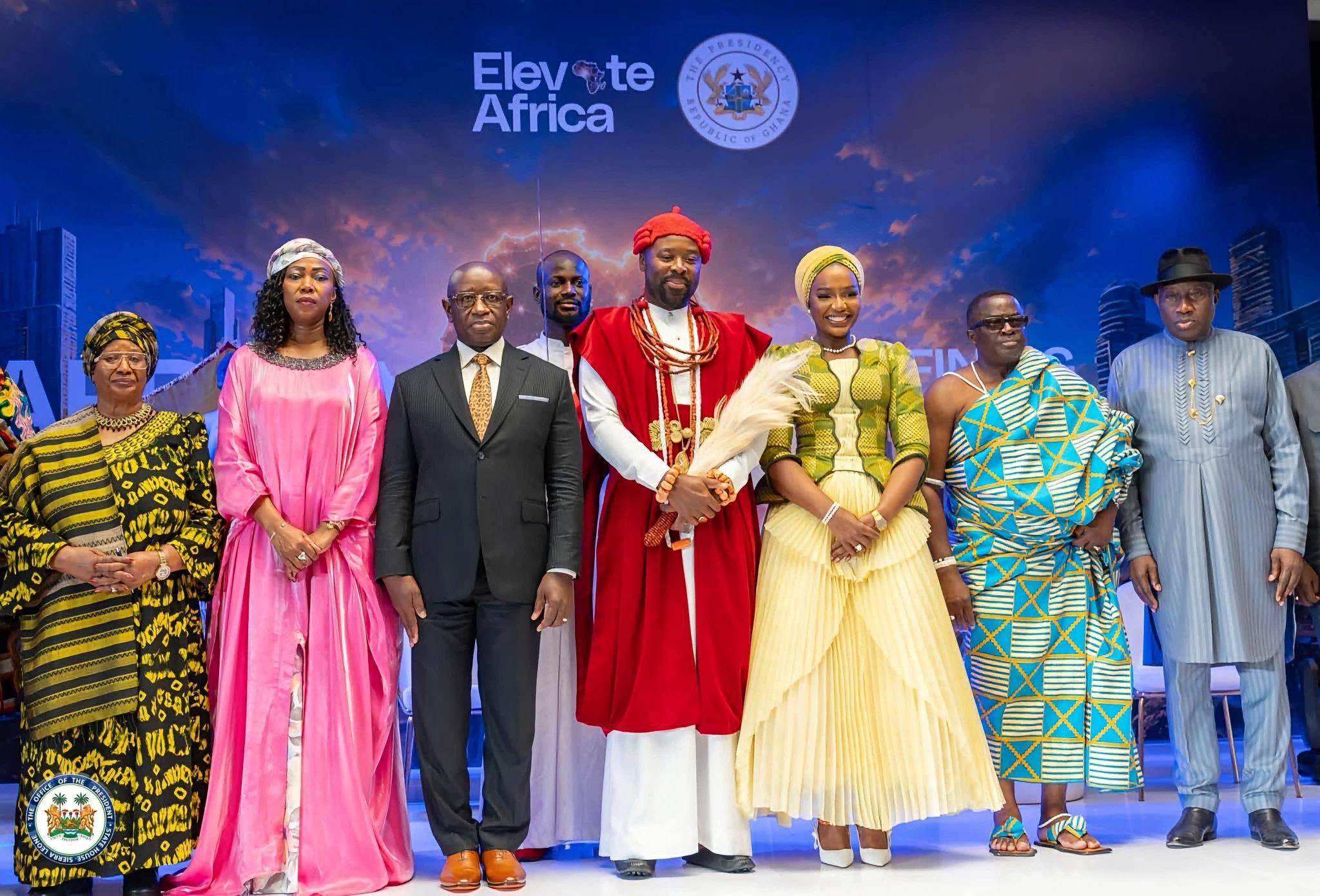
The former president, who spoke at the opening of the Elevate Africa Convening 2026 in Accra, Ghana, spoke on the heels of reparations being championed by Ghana’s President, His Excellency John Dramani Mahama, and the broader call for debt relief. “I stressed the importance of a coordinated and pragmatic African approach. Through the African Union, our leaders must work towards a common position that reflects our shared interests, strengthens our negotiating capacity and ensures that Africa speaks with clarity and purpose on these critical issues,” Jonathan wrote on his X page on Thursday.
His intervention reinforces calls for greater continental coordination on reparatory justice, an issue championed by Mahama, who has continued to push for international recognition of the historical injustices suffered by Africans and people of African descent.
Jonathan’s position also underscores the importance of the African Union in building consensus among member states and ensuring that Africa approaches negotiations on critical continental issues with a clearly defined agenda rather than fragmented national positions.
Beyond reparations and debt relief, the former Nigerian leader emphasised that Africa’s long-term prosperity would depend on purposeful leadership, deliberate development planning and strategic investments in education, research and technology.
Drawing lessons from the development experiences of Singapore and India, he highlighted the importance of merit, integrity, inclusivity and investments in scientific capacity in building productive economies and strengthening global competitiveness.
He urged African countries to prioritise quality, technology-driven education that equips young people with the knowledge, skills and creativity to drive innovation, create wealth and generate sustainable employment.
Jonathan maintained that Africa’s development responsibilities extend beyond addressing present challenges to establishing a solid foundation for future generations, stressing that the continent needs sustained commitment, institutional coordination and strategic investments to translate its aspirations into tangible progress.