



By Emmanuel Nduka
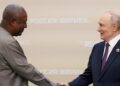
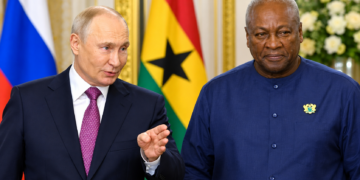
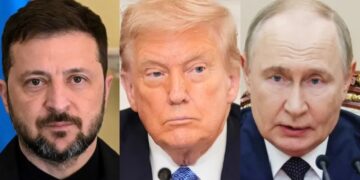
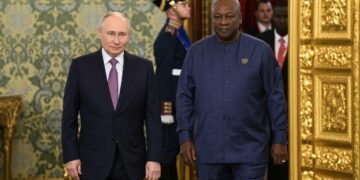
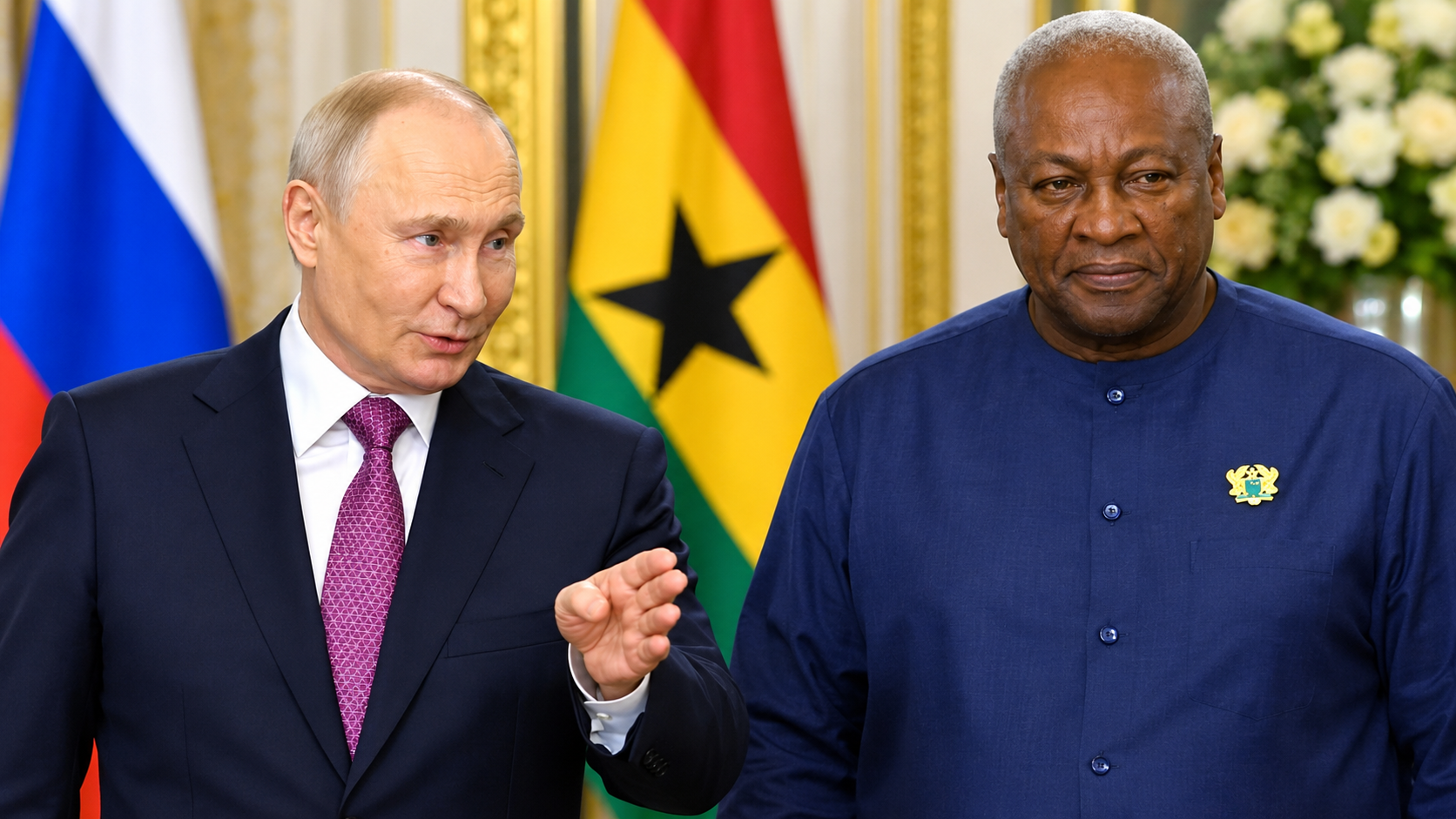
Russian President Vladimir Putin has agreed to stop Ghanaians from participating in the ongoing war against Ukraine, following diplomatic intervention by his Ghanaian counterpart, President John Dramani Mahama.
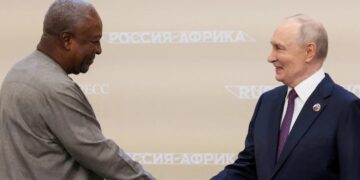
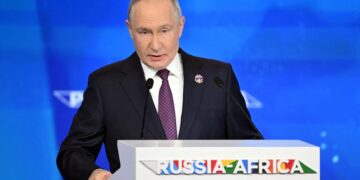
The commitment, announced by Ghana’s Ministry of Foreign Affairs, followed bilateral discussions between Mahama and Putin on October 30, on the sidelines of the third Russia-Africa Summit in Moscow.
According to the Ghanaian government, Putin gave the assurance after Mahama raised concerns over the growing involvement of Ghanaian nationals in the conflict, particularly reports of citizens being lured to Russia with promises of lucrative employment before being deployed to fight on the frontlines.
The restriction, according to the Foreign Affairs Ministry, covers all forms of participation, including irregular recruitment and voluntary enlistment, effectively ruling out the involvement of Ghanaian citizens in the war on Russia’s side.
The announcement comes amid mounting concerns in Ghana over the fate of hundreds of its citizens reportedly recruited into the Russian military since the outbreak of the conflict in 2022.
Ghana’s Foreign Affairs Minister, Samuel Okudzeto Ablakwa, had previously disclosed that 272 Ghanaian nationals were believed to have been drawn into the war, with several casualties recorded.
By August, reports indicated that at least 62 Ghanaians had been killed, while another 15 were reported missing, underscoring the human cost of recruitment schemes that have increasingly become a source of diplomatic concern for several African governments.
Ghana is among a growing number of African countries raising concerns about the alleged exploitation of their citizens through recruitment networks that offer opportunities for civilian employment, security jobs and educational advancement in Russia, only for some recruits to find themselves involved in military operations in Ukraine.
Other countries, including Kenya, South Africa, Nigeria and The Gambia, have also expressed concerns over the recruitment of their nationals into the conflict.
Beyond the Ukraine war recruitment issue, the meeting between Mahama and Putin produced several other bilateral commitments aimed at strengthening economic and strategic relations between the two countries.
Ghana’s Foreign Affairs Ministry disclosed that Russia had agreed to work with Accra towards establishing a 2,000-megawatt nuclear power plant to strengthen the country’s energy security and support industrialisation.
The two countries also agreed on a new defence cooperation pact covering the acquisition of strategic military assets for the Ghana Armed Forces, alongside enhanced agricultural cooperation focusing on grain production and fertiliser supplies.
Russia also pledged to increase scholarship opportunities for Ghanaian students, while both countries agreed to revive their Permanent Joint Commission for Cooperation, with Moscow expected to host its next meeting in the coming weeks.
The latest commitments signal a renewed push by Accra and Moscow to deepen bilateral relations, even as the controversy surrounding the recruitment of African nationals into the Russia-Ukraine war continues to generate diplomatic unease across the continent.