





















By Emmanuel Nduka
Universities in England have been urged to reconsider their reliance on conventional coursework and online examinations, amid growing concerns that artificial intelligence (AI) tools are making it increasingly difficult to establish whether students are genuinely demonstrating their academic knowledge and abilities.
The warning was issued by the Office for Students (OfS), England’s higher education regulator, which cautioned that the widespread use of AI in academic assignments, dissertations and online examinations poses a significant threat to the credibility of university qualifications.
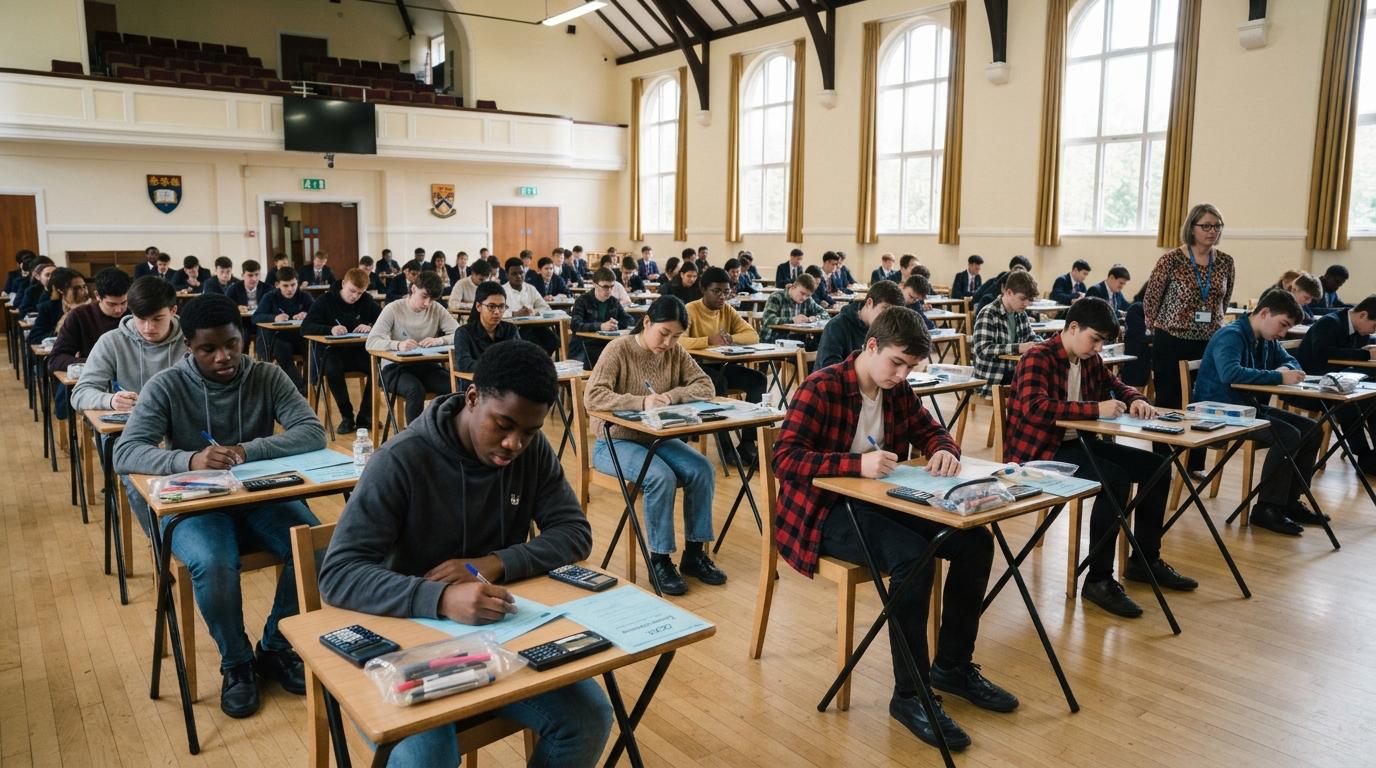
The regulator said universities must adopt more secure and reliable assessment methods, including traditional handwritten examinations, face-to-face presentations and oral examinations, to ensure students are properly evaluated on the basis of their knowledge and understanding rather than work generated substantially by artificial intelligence.
According to the regulator, the growing sophistication and accessibility of AI applications have created fresh challenges for academic institutions, with lecturers increasingly struggling to distinguish between students’ original work and assignments produced with the assistance of AI tools.
Josh Fleming, Director of Strategy and Delivery at the OfS, described the growing influence of AI in higher education as a generational risk, warning that it could undermine students’ learning experiences and universities’ ability to accurately assess academic performance.
He stressed the need for institutions to make considerably greater use of AI-free assessments while finding responsible ways to harness the technology’s benefits in teaching and learning.
The concerns emerged from research conducted by the OfS in collaboration with Advance HE, a higher education organisation, which examined the experiences of more than 300 students and academic staff across 127 universities and colleges.
The investigation found widespread concerns about students using generative AI to complete academic assignments, sometimes within minutes, while receiving grades comparable to those awarded to students who completed their work independently.
Some academics also reported receiving submissions that appeared remarkably similar in structure, writing style and references, raising questions about whether existing assessment arrangements could reliably establish individual academic competence.
Students interviewed during the research equally expressed frustration that colleagues who relied heavily on AI-generated content could obtain favourable grades without necessarily demonstrating the same level of effort or understanding as those who completed their assignments themselves.
In some instances, students reportedly admitted using AI to produce entire assignments without being detected, encouraging them to repeat the practice in subsequent assessments.
The regulator said several universities had already begun reviewing their assessment systems to address the emerging challenges. Such measures include increased use of supervised written examinations, oral assessments, practical demonstrations and presentations conducted in person.
Other approaches involve requiring students to examine, critique or improve AI-generated materials, as well as process-based assessments that require them to demonstrate how they researched, developed and completed their academic work.
The OfS also cautioned against excessive reliance on AI-detection software when investigating suspected academic misconduct, emphasising the importance of fair and reliable evidence in determining whether students have violated academic regulations.
Reacting to the findings, a spokesperson for Universities UK, which represents 147 higher education institutions, acknowledged that although universities had made considerable changes to their assessment practices, more work was required to address the challenges posed by artificial intelligence.
The organisation noted that institutions were increasingly adopting a combination of in-person examinations, oral presentations, practical assessments and carefully controlled AI-integrated assignments.
The Department for Education also said universities must take the issue seriously, adding that the regulator was expected to enforce existing academic standards and strengthen the regulatory framework governing the use of AI in higher education.
The latest warning has renewed debate about the future of university assessment in an era when generative AI tools can produce sophisticated essays, research materials and other academic content with minimal human input.
While acknowledging the opportunities AI presents for improving teaching, research and personalised learning, the regulator maintained that universities have a responsibility to ensure that academic qualifications remain credible indicators of students’ actual knowledge, competence and professional readiness.