





By Enyichukwu Enemanna
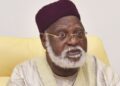
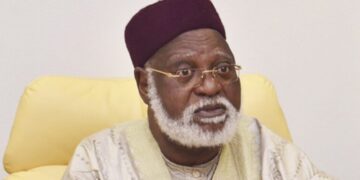
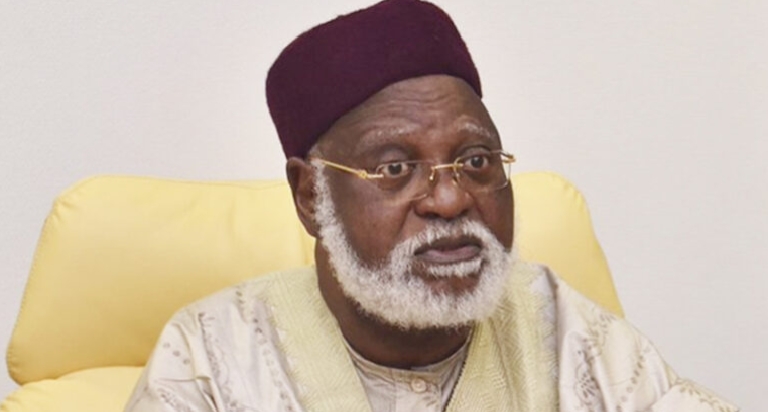
Krishna Shalby Hospital, based in Ahmedabad, India, has used a former military head of state, Abdulsalami Abubakar, in its online commercial for knee surgery, bringing to question Nigeria’s long quest for effective health system amidst growing medical tourism among top government officials.
The video promoting the hospital’s orthopaedic services was shared across the facility’s social media platforms, showing Abubakar, a former military leader recovering from knee replacement surgery at the facility.
With the taglines ‘A milestone in international care’ and ‘Clinical Excellence Beyond Borders’, the montage comprised photos and videos of Abubakar’s treatment and recovery to promote the hospital as a destination for medical tourism.
The video also includes short clips of the former Nigerian leader, dressed in loose hospital clothing, undergoing physical therapy and exercise with a nurse along the hospital’s walkway.
It also features photographs of some of his associates, including Vice-President Kashim Shettima.
In another video, Shalby Hospitals said Shettima met with a doctor, Vikram Shah, to discuss Abubakar’s health. The hospital said the visit “reflects the growing trust in India’s healthcare and Shalby Hospitals’ commitment to caring for patients from across the world”.
The Vice President in a register at the hospital, thanked Mr Shah ”for taking good care and restoring the vitality” of the former military leader.
It’s unclear whether Abubakar consented to the publication of his health status or the use of his treatment and recovery details as promotional material, but he cancelled his 80th birthday celebration in June 2022 due to a swollen knee.
“I had a swollen knee and was unable to walk for days in the last week of May,” he told TheCable following the cancellation. “After initial care by my doctors, they advised that I should seek further expert care abroad. That was why I had to cancel my birthday programme.”
The hospital’s montage has since generated criticism from Nigerians who have, over time, raised concerns about the country’s health system and reliance on medical tourism by leaders and top politicians. Many Nigerians attribute the situation to poor leadership.