








By Emmanuel Nduka
Mali has freed 82 soldiers who had been held captive by armed groups since deadly attacks in April, in a rare breakthrough for the country’s military government as it continues to battle jihadist and rebel insurgencies.
The Malian army announced on Thursday that the soldiers were released after being detained by armed groups linked to al-Qaeda affiliate Jama’at Nusrat al-Islam wal-Muslimin (JNIM) and the Tuareg-led Azawad Liberation Front (FLA).
The soldiers were captured following coordinated attacks on April 25 that targeted several military positions across the country, including the main airport. The attacks also resulted in the death of Mali’s defence minister.
According to the army, the soldiers’ release followed “rigorous planning” and coordinated efforts to secure their freedom.
JNIM and the FLA had claimed responsibility for the April attacks. The groups also claimed a fresh wave of assaults against Malian army positions on July 4, underscoring the continuing pressure on the junta.
The release of the soldiers comes as Mali struggles to contain an Islamist insurgency that has persisted for more than a decade.
The country has faced jihadist violence since 2012, with JNIM growing into one of the most powerful armed groups operating across Mali and neighbouring parts of the Sahel.
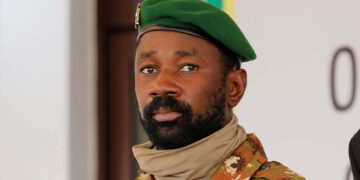
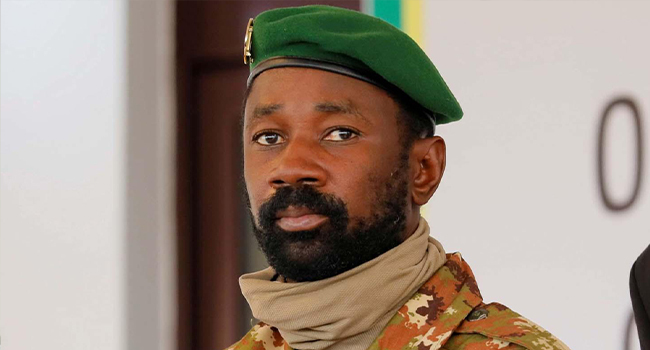
The security crisis intensified after military officers seized power in coups in 2020 and 2021, bringing Colonel Assimi Goita and his junta to power.
The military government subsequently expelled French and United Nations forces from the country and deepened security cooperation with Russia, while seeking to assert greater control over Mali’s security affairs.
Despite the shift in alliances, armed groups continue to operate across large parts of the country, mounting attacks on military positions and threatening civilians and key transport routes.
In a separate development, junta leader Assimi Goita has pardoned a French embassy official who was convicted of spying and sentenced to 20 years in prison.
Malian authorities said the trial had respected the official’s defence rights, stressing that the presidential pardon did not overturn the court’s findings.
Instead, the pardon paved the way for the official’s immediate expulsion from Mali.
The decision comes amid years of strained relations between Bamako and Paris following the military takeover and the subsequent withdrawal of French troops from Mali.
The two developments — the release of the 82 soldiers and the expulsion of the French official, reflect the intertwined security and diplomatic challenges confronting Mali as the junta seeks to strengthen its grip on the country while redefining its relations with former Western allies.