











Relative calm has returned to the Somali capital, Mogadishu, after two days of violent confrontations linked to the political dispute over President Hassan Sheikh Mohamud’s extended stay in office following the expiration of his term last month.
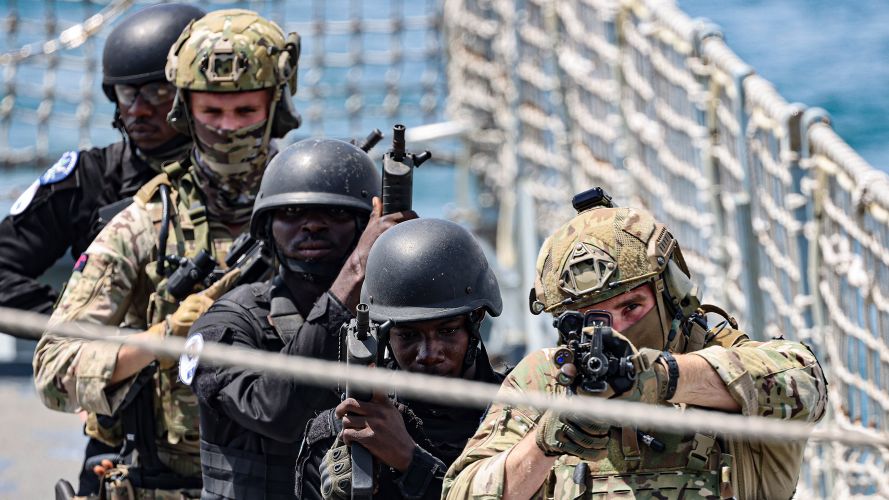
The clashes involved federal government troops loyal to President Mohamud and forces aligned with political figures opposing the extension of his tenure.
According to APA on Sunday, so resident noted that military activity across the city had reduced significantly, allowing traffic and normal civilian movement to resume on major roads. Security personnel and armed groups were also reported to have withdrawn from several areas that had witnessed intense confrontations.
As part of ongoing efforts to ease tensions, former Somali President Sharif Sheikh Ahmed and former Prime Minister Hassan Ali Khaire returned to their residences in the Halane district of Mogadishu after mediation initiatives aimed at restoring stability.
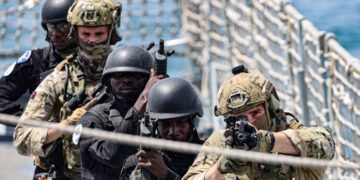
The federal government announced that it had completed a security operation targeting what it described as “anti-peace militias” accused of attempting to destabilise the capital. Authorities stated that security forces had successfully secured the city and prevented actions that could have disrupted public order.
Meanwhile, international partners have stepped up diplomatic efforts to resolve the crisis, urging both government and opposition leaders to engage in dialogue over disagreements concerning elections, governance arrangements and Somalia’s democratic transition.
The recent unrest has drawn concern from the international community, with observers calling for restraint and a peaceful resolution to prevent further instability in the Horn of Africa nation.
Mogadishu had been under lockdown since Wednesday following clashes between government forces loyal to President Hassan Sheikh Mohamud and troops opposed to his continued stay in office.
President Mohamud’s official tenure ended on May 15, but he has insisted on remaining in office following constitutional amendments. His opponents have criticised the move, describing it as an attempt to retain power beyond his mandate.
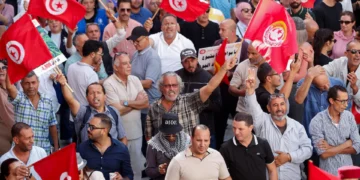
The tensions escalated as opposition groups were preparing to stage demonstrations against the president’s decision to remain in office, raising fears of a prolonged political crisis in Somalia.