


















By Ebi Kesiena
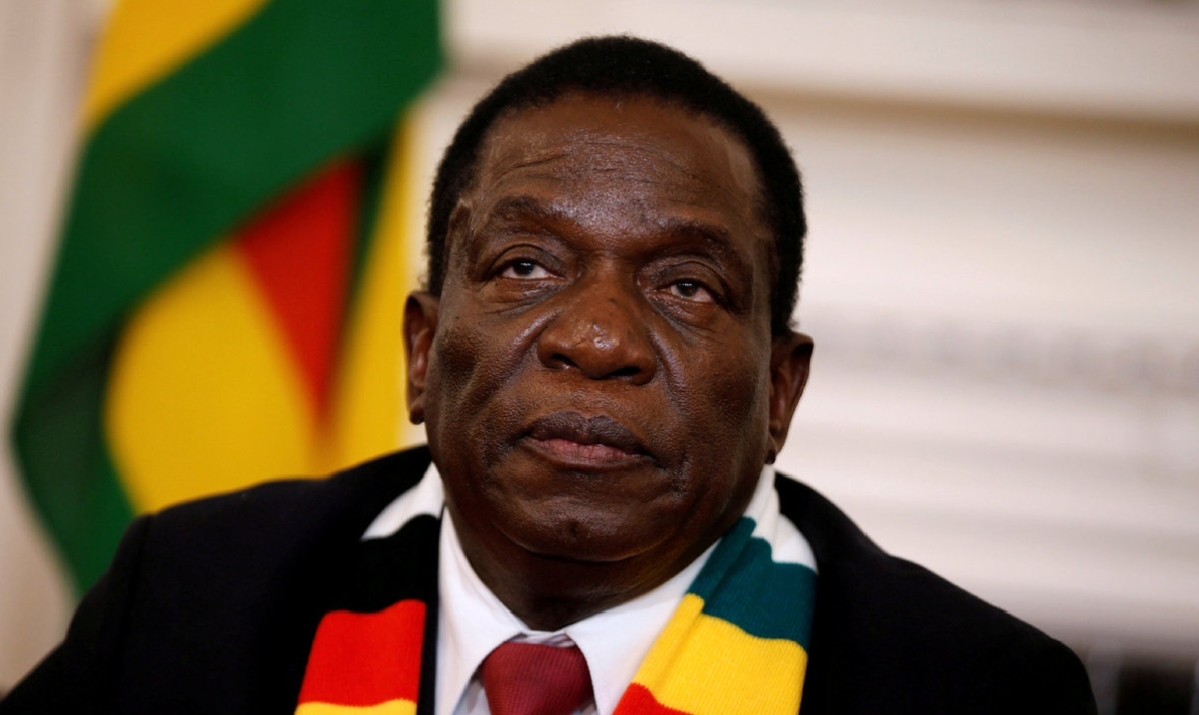
Zimbabwe has turned down a proposed $350 million health funding agreement with the United States, citing concerns over national sovereignty and control of sensitive state resources.
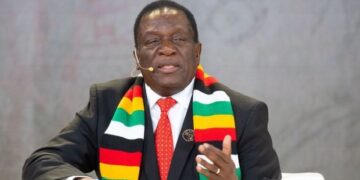
President Emmerson Mnangagwa reportedly ordered government officials to immediately halt negotiations after reviewing the terms of the deal, which authorities described as heavily skewed in favour of Washington.
According to government sources, Harare raised objections to provisions that allegedly granted the United States direct access to Zimbabwe’s national health data systems.
Also, officials argued that such conditions posed significant risks to the country’s data privacy framework and could undermine its independence in managing public health information.
Furthermore, beyond data governance concerns, reports indicated that the proposed agreement also included clauses linking the health funding arrangement to cooperation around Zimbabwe’s critical mineral resources, a move authorities viewed as an overreach beyond the scope of healthcare assistance.
Recall that Zimbabwe possesses vast deposits of strategic minerals, including lithium and platinum, which have become increasingly important in global technology and energy supply chains.
However, the government representatives maintained that while Zimbabwe remains open to international partnerships aimed at strengthening its healthcare sector, any agreement must respect national laws, protect strategic assets, and ensure mutual benefit of both parties.