

















By Emmanuel Nduka
Nigeria has secured 200 training slots for its Special Forces in Türkiye, marking a major step in the deepening of defence cooperation between both countries.
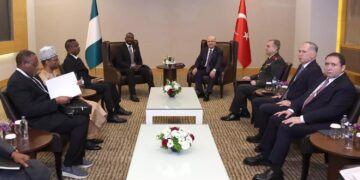
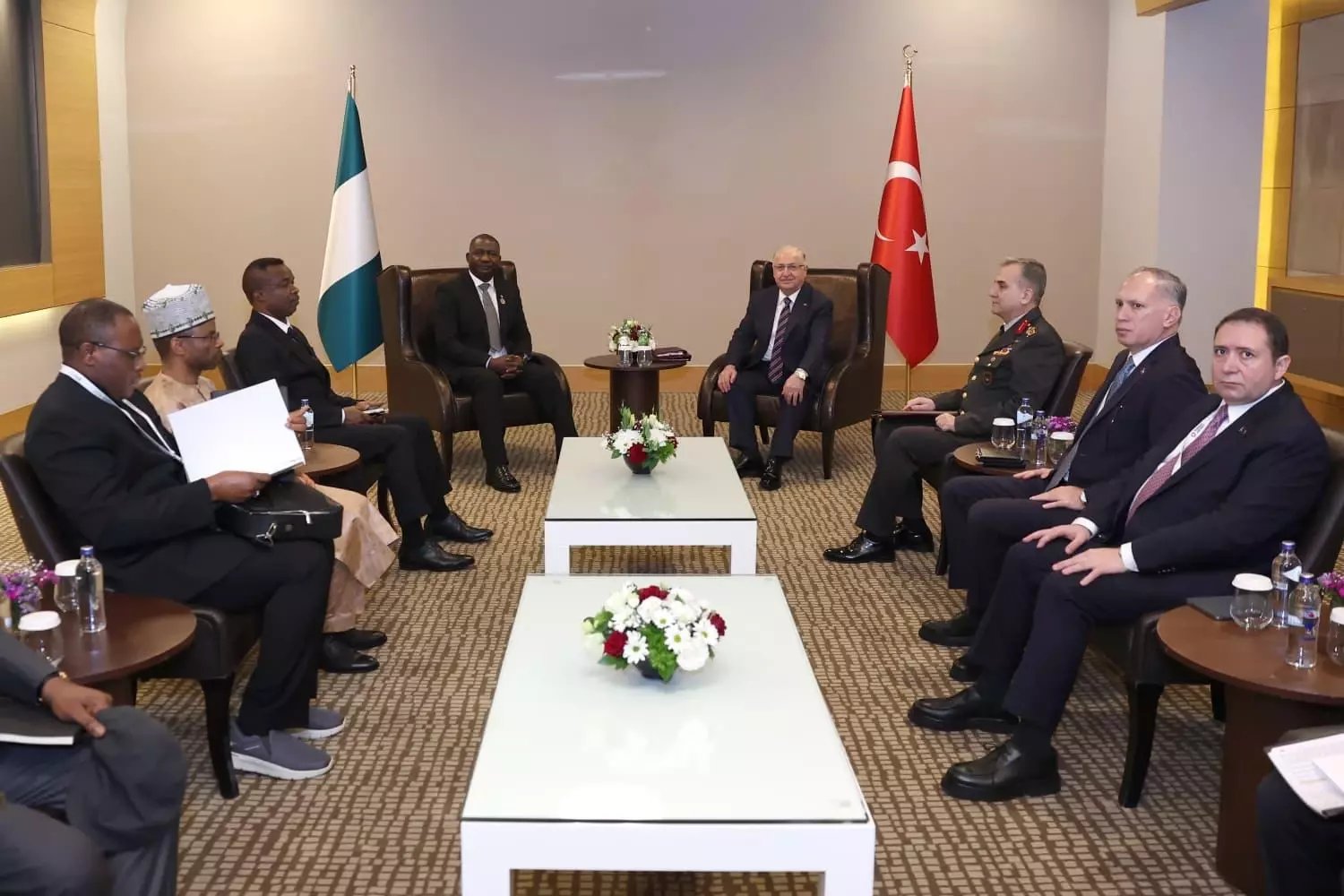
Heritage Times HT reports that the development followed high-level engagements between Nigeria’s Minister of Defence, General Christopher Musa (retd.), and his Turkish counterpart on the sidelines of the Antalya Diplomacy Forum.
As contained in a statement issued by the Ministry of Defence, the agreement forms part of a broader framework of “practical, outcome-driven” partnerships aimed at strengthening Nigeria’s military capacity and operational readiness.
Under the arrangement, the 200 Special Forces personnel will be deployed to Türkiye for advanced training in specialised areas, including special operations, counterterrorism, intelligence integration, and counter-drone warfare.
The programme will also cover language instruction and intensive field exercises to enhance combat effectiveness.
Beyond the immediate training deployment, both countries agreed to expand collaboration through joint military exercises, defence equipment production, and technology transfer initiatives designed to boost Nigeria’s indigenous defence capabilities.
The partnership also includes plans to establish a military training facility in Nigeria, alongside enhanced cooperation in maritime security, border management, and intelligence sharing to address evolving security threats.
In the area of air power, the agreement provides for improved maintenance systems, logistics support, and training for helicopters and unmanned aerial systems, while naval cooperation will see Nigerian officials participate in specialised maritime programmes and inspect Turkish platforms.
Speaking on the outcome of the meeting, Musa described the development as a major milestone, stating that “the outcomes of this engagement mark a significant step forward in Nigeria–Türkiye defence relations” and that “we are committed to delivering tangible, measurable results that strengthen our national security”.
The ministry added that implementation will begin immediately with the deployment of personnel, followed by technical exchanges and infrastructure development in phases.