







By Enyichukwu Enemanna
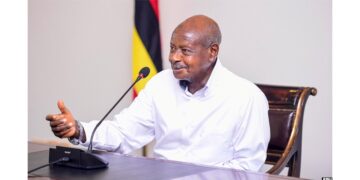
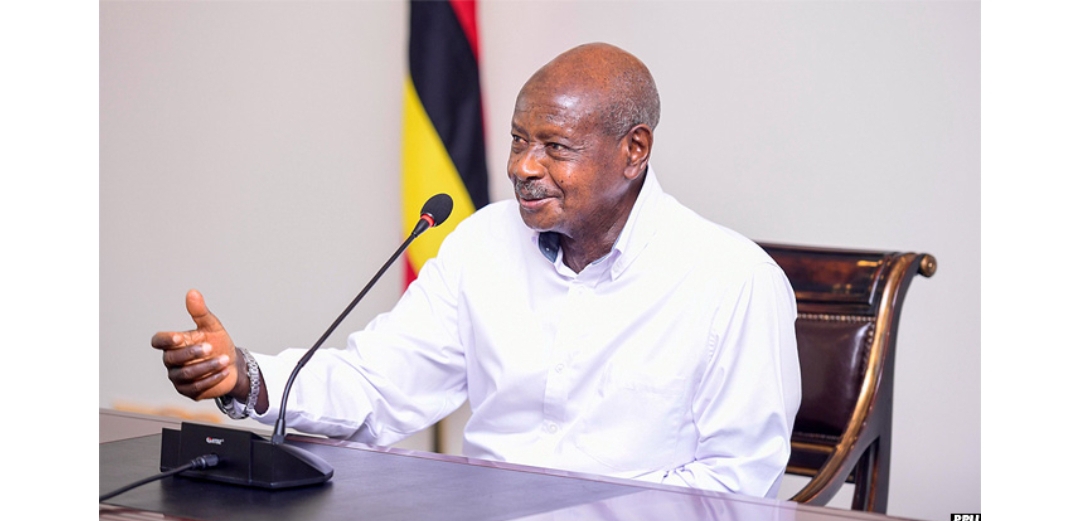
Uganda’s President, Yoweri Kaguta Museveni, has assented to a legislation to protect its sovereignty, forbidding foreign interference in the country, amidst opposition.
Museveni, 81, has repeatedly accused political opponents and other NGOs of receiving funding from abroad to destabilize the East African nation and pushing foreign agendas such as LGBTQ rights.
Several Ugandan opposition parties have traditionally received some of their funding from outside the country.
The “Protection of Sovereignty” bill, passed by the parliament earlier this month, aims to criminalise the promotion of foreign interests at the expense of Uganda’s interests.
The law, which carries a maximum imprisonment of 10 years, also bans anyone from implementing or developing policies without government approval.
The bill has sparked widespread concern among rights groups, journalists and sections of the private sector, who say it could undermine freedom of citizens and deter investment in the East African nation.
“This bill has been opposed by almost all segments of society,” Mwesigwa Rukutana, a former deputy attorney general and finance minister said.
“My advice is… to do widespread consultations to improve on it, to make it less toxic or better still, shelve it,” he added.
Human Rights Watch said it “mimics” laws passed in Russia and allied countries, using deliberately vague terms that can be applied to any campaigner deemed a nuisance.