

















By Emmanuel Nduka
Fresh controversy has erupted over the reported death of notorious ISIS commander, Abu-Bilal Al-Minuki, after many Nigerians questioned why the terrorist leader appeared to have been declared dead twice within two years.
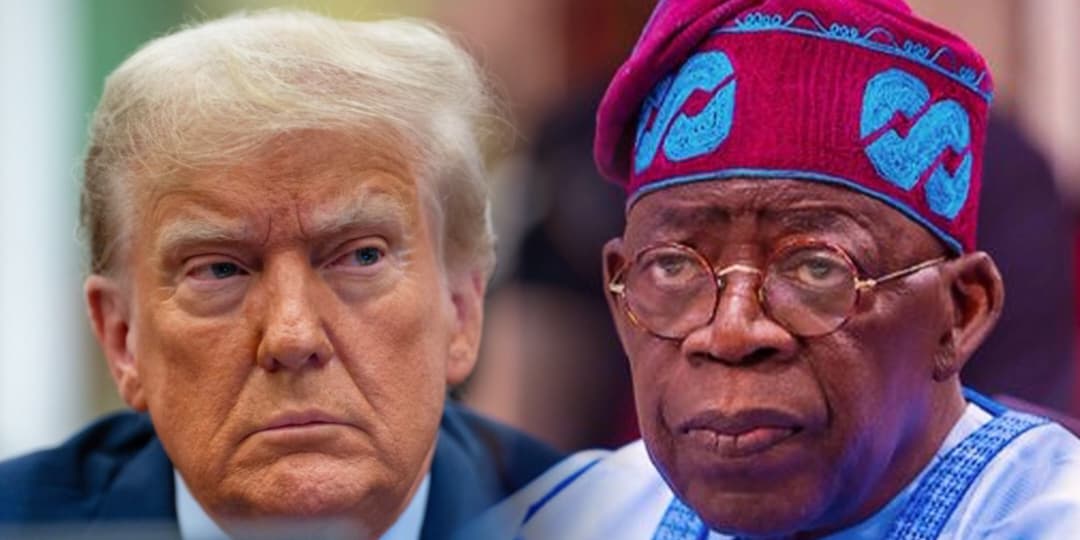
The debate followed Saturday’s announcement by United States President, Donald Trump, confirming that Al-Minuki had been killed during a joint counterterrorism operation involving American and Nigerian forces.
Heritage Times HT reports that President Bola Tinubu also acknowledged Nigeria’s involvement in the operation, describing it as a major breakthrough in the fight against terrorism.
However, shortly after the announcement, old reports from 2024 resurfaced online, showing that the Nigerian military had earlier announced the killing of a commander identified as Al-Minuki during operations around the Birnin Gwari axis of Kaduna State, Northwestern Nigeria.
The development triggered widespread reactions across social media, with many Nigerians wondering how the same ISIS figure could allegedly die “twice”.
Some users described the situation as another example of conflicting security narratives, while others questioned the credibility of earlier military reports.
The controversy gained more traction after several commentators suggested that many Nigerians now appeared more willing to trust news sources and confirmations coming from foreign governments than statements issued by local authorities, a seeming shift from digesting a generation of political lies.
Amid the growing debate, the Nigerian Presidency moved to clarify the confusion, insisting that the 2024 report was a case of mistaken identity.
In a statement issued by presidential spokesman, Bayo Onanuga, the government explained that Al-Minuki’s name had previously appeared among a list of suspected ISWAP and Boko Haram commanders reportedly killed during military operations in Kaduna.
According to the Presidency, subsequent intelligence reviews later revealed that the individual killed during the 2024 operation was not the ISIS commander now confirmed dead.
The statement noted that security agencies eventually discovered that Birnin Gwari was never part of Al-Minuki’s operational base, raising doubts about the accuracy of the earlier battlefield assessment.
Onanuga maintained that the latest operation differed significantly from the 2024 incident because it followed months of coordinated intelligence gathering involving both Nigerian and American operatives.
He disclosed that intelligence agencies had reportedly tracked Al-Minuki’s movements since December 2025 through surveillance operations, intercepted communications, human intelligence sources, and cross-border monitoring.
According to him, the terror commander’s movements were traced across several northern locations, including Abuja and Maiduguri, before the final strike was approved.
The Presidency said security operatives initially explored the possibility of capturing him alive before eventually carrying out what officials described as a highly precise operation.
Unlike the earlier report, authorities insist the latest mission underwent multiple layers of verification and target confirmation before execution.
Security officials, the statement added, are now “100 percent certain” that the ISIS commander is dead.
The Presidency also defended the possibility of errors during counterinsurgency operations, arguing that similar situations have occurred in global anti-terror campaigns.
It referenced past confusion surrounding reports about the deaths of former Boko Haram leader, Abubakar Shekau, as well as former ISIS chief, Abu Bakr al-Baghdadi.
According to the government, such discrepancies often reflect the complicated nature of intelligence gathering and asymmetric warfare rather than deliberate misinformation.
The Presidency further warned that repeatedly dismissing military operations could weaken public confidence and negatively affect the morale of security personnel involved in counterterrorism efforts.
Nevertheless, the incident has continued to fuel conversations online, with many Nigerians insisting that conflicting security announcements over the years have contributed to growing public skepticism.
For now, however, Nigerian and American authorities insist there is no uncertainty surrounding the latest operation, maintaining that Abu-Bilal Al-Minuki has finally been eliminated.