











By Enyichukwu Enemanna
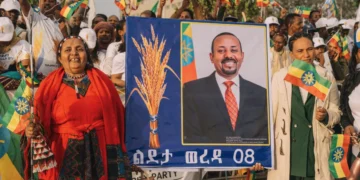
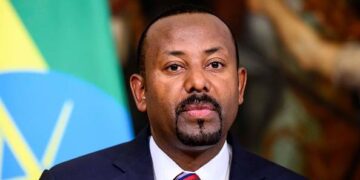
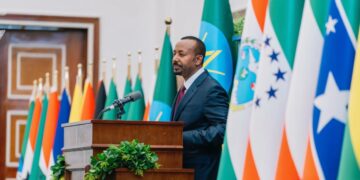
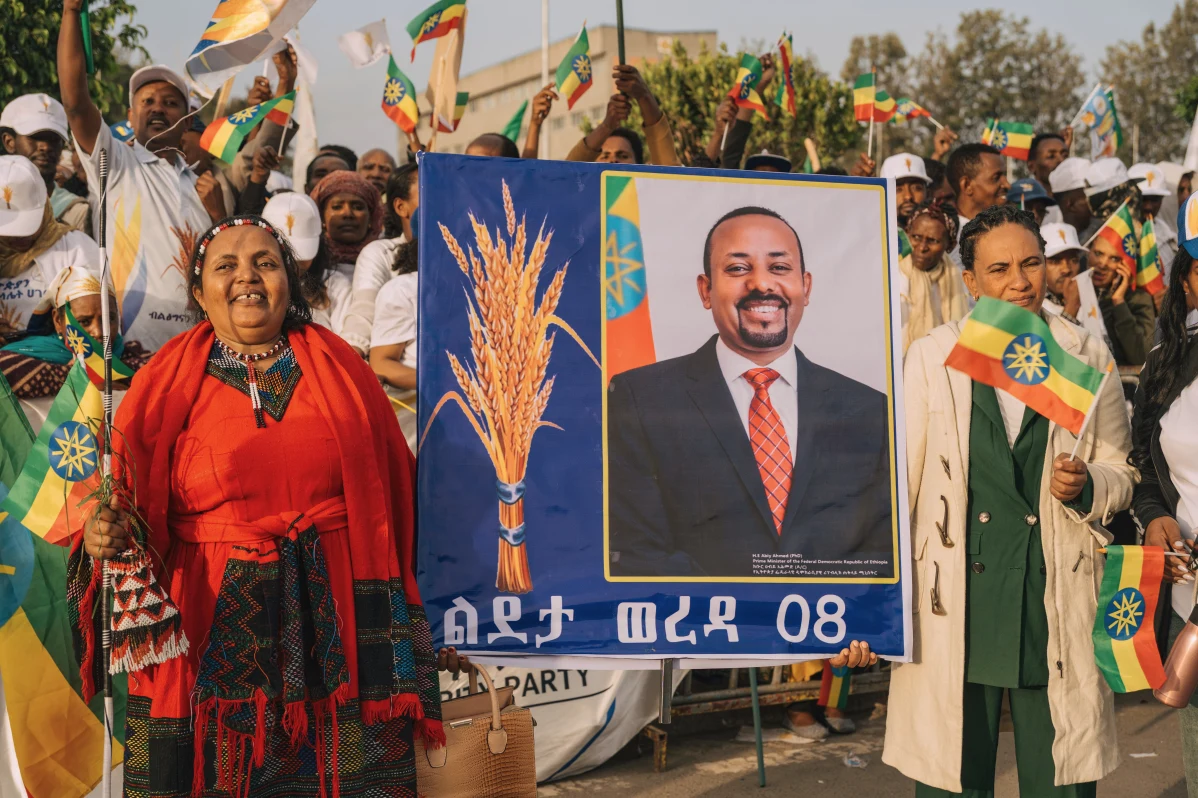
Ethiopia will on Monday head to polls in an election that the ruling party is predicted to win by a landslide as a result of a fragmented and weak opposition.
Prime Minister Abiy Ahmed ’s Prosperity Party currently holds more than 500 seats in the House of Representatives and is expected to win a majority in this election, securing him another five-year term.
About 50 million people, out of a population of 130 million Ethiopians, are expected to vote for members of the House of Representatives.
Insecurity in regions with larger population of voters, including Amhara and Oromia, is expected to affect turnout.
Ethiopia’s electoral system allows voters to select their representatives, who then vote for a Prime Minister.
Ethiopians will also vote for members of their local regional government councils.
This year’s election themes include national reconciliation due to the fighting seen in regions such as Tigray, Oromia, and Amhara, and there is also a development theme as the government pledges to undertake major projects.
Former Kenyan President Uhuru Kenyatta, who helped facilitate the Tigray peace talks, is leading 73 observers from the African Union.
Arriving in Ethiopia on Saturday, Kenyatta emphasized the importance of Ethiopia’s elections for the continent, as the country hosts the African Union headquarters. “Ours is to call for peaceful situation as Ethiopians are known for,” he said.
Abiy’s administration has been accused of human rights violations against critics and journalists despite the promise of democracy and peace he made in 2020.
During his tenure, Ethiopia has been through the Tigray war in the north of the country, where hundreds of thousands of people died as the federal security forces clashed with the regional forces. A peace deal was signed in November 2022.
This election is likely to be fair due to the “technological advancements in the electoral process” and increased public awareness, according to Bayu Samuel, an Addis Ababa-based political analyst.
Some opposition parties have, however, decried the ruling party’s unfair advantage. The electoral process is “far from genuine and democratic,” says Mistresilasie Tamerat, the youngest candidate and head of the opposition Ethiopian People’s Revolutionary Party.
“The system favors the ruling party, and we can’t even freely operate (or) meet with our constituents,” she said.
The electoral body has declared Monday a national holiday, with government offices closed to encourage citizens to vote.