




By Emmanuel Nduka Obisue
Mali has firmly rejected any suggestion of a United States military deployment on its territory, declaring that the country’s sovereignty is non-negotiable amid reports that Washington is considering sending troops to help combat worsening insecurity in the West African nation.
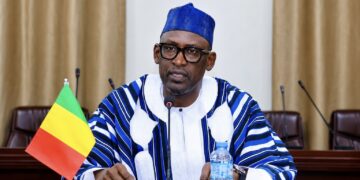
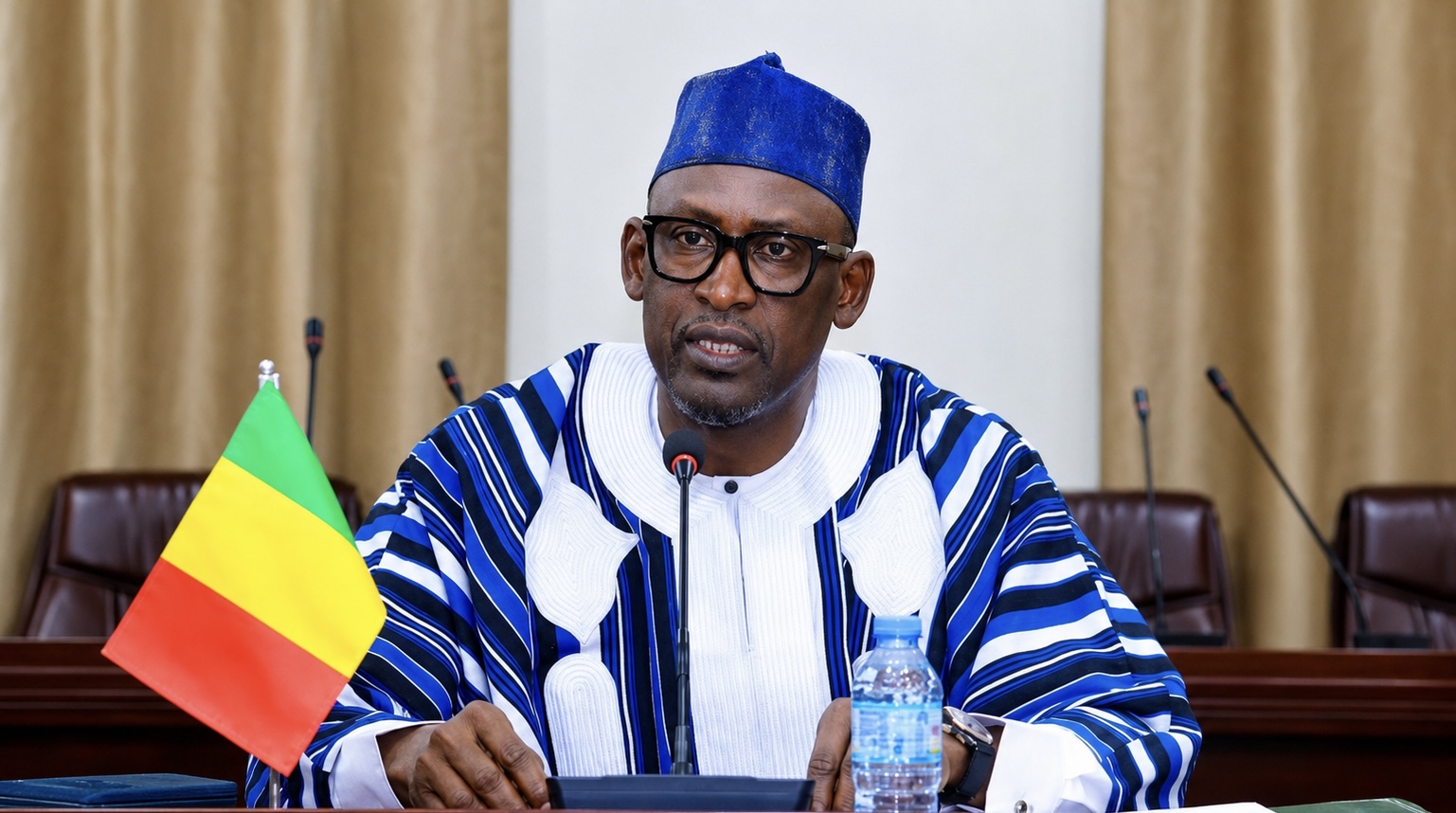
Speaking at a press conference in Bamako on Thursday, Mali’s Minister of Foreign Affairs, Abdoulaye Diop, dismissed reports of a possible U.S. military intervention, insisting that the Malian government remains committed to safeguarding its independence and determining its own security strategy.
Diop stressed that Mali would continue to rely on its national armed forces and cooperation within the Alliance of Sahel States (AES), rather than returning to military partnerships with Western powers. He maintained that the country’s security decisions would be made solely by the Malian authorities, underscoring Bamako’s determination to protect its sovereignty.
The minister’s remarks came in response to media reports suggesting that the administration of U.S. President Donald Trump was weighing military options, including a possible troop deployment, to support Mali’s fight against the al-Qaeda-linked Jama’at Nusrat al-Islam wal-Muslimin (JNIM), one of the region’s most active jihadist groups.
Mali has experienced persistent insecurity since 2012, when a separatist rebellion in the country’s north was overtaken by jihadist organisations linked to al-Qaeda and the Islamic State. The violence has since spread across the Sahel, affecting neighbouring Burkina Faso and Niger despite years of international military interventions.
In recent years, Bamako has significantly reshaped its foreign and security policy following military coups in 2020 and 2021. The transitional authorities expelled French troops, demanded the withdrawal of the United Nations peacekeeping mission (MINUSMA), and strengthened security cooperation with Russia while distancing the country from traditional Western allies.
Mali, Burkina Faso and Niger subsequently formed the Alliance of Sahel States after withdrawing from the Economic Community of West African States (ECOWAS), pledging closer military cooperation to confront insurgent groups operating across their borders.
The reported U.S. interest in expanding its engagement comes as Washington seeks to counter the growing influence of Russia and China in the strategically important Sahel region, which is rich in mineral resources and remains a major theatre in the fight against violent extremism.
Despite repeated attacks by jihadist groups, Malian authorities have consistently maintained that restoring security must be achieved through national leadership and partnerships chosen by Bamako, rather than through foreign military intervention.
Diop reiterated that position on Thursday, making clear that while Mali remains open to international cooperation, it will not compromise its sovereignty or permit external powers to dictate its security policies.