











By Emmanuel Nduka
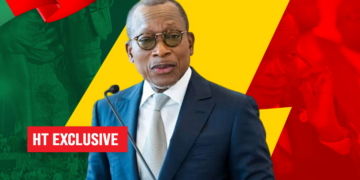
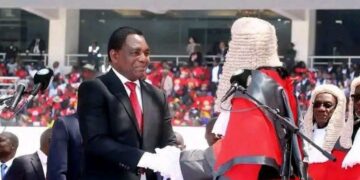
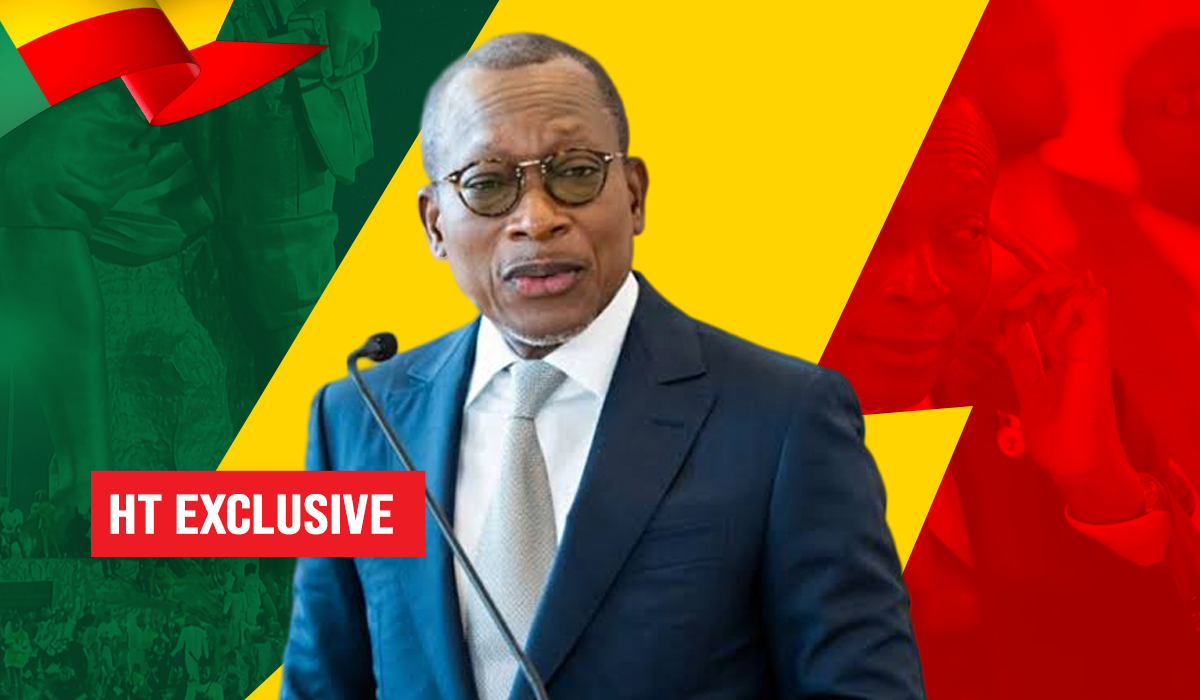
Former Benin President Patrice Talon’s election as the country’s first Senate president has reignited a familiar debate across Africa. Why do so many of the continent’s political leaders struggle to step away from the corridors of power even after completing their constitutional mandates?
Barely months after leaving office, Talon has returned to occupy one of the most influential positions in Benin’s new political architecture, becoming the inaugural head of the country’s newly created Senate. Although the position is constitutional and his election followed an overwhelming vote by senators, his swift return has fuelled fresh discussions about the enduring grip political elites maintain on state institutions across Africa.
For many observers, Talon’s latest appointment is less about one individual and more about a broader political culture in which former presidents and senior politicians rarely disappear from public life. Instead, they often transition into other powerful offices, remaining central figures in national decision-making long after their presidential tenures end. They become political godfathers and control the incumbent from behind.
Nigeria offers one of the clearest examples of this revolving-door political culture. It is common to see politicians move from one influential office to another over several decades. Many begin as commissioners or advisers or local council chairmen, become governors, transition into ministerial appointments, secure seats in the National Assembly, and remain active in politics well into retirement as if it were their birthright. Others alternate between the executive and legislative arms of government, ensuring their influence survives successive administrations. This, of course, happens to the detriment of younger people who are modernly equipped to lead.
Supporters argue that such continuity preserves institutional memory and allows experienced leaders to mentor younger politicians. Critics, however, contend that it leaves little room for fresh ideas, weakens political competition and limits opportunities for a new and younger generation of leaders to emerge.
The trend extends well beyond Nigeria.
In Cameroon, President Paul Biya has remained in power since 1982, making him one of the world’s longest-serving heads of state. Uganda’s Yoweri Museveni has governed since 1986 after constitutional amendments removed presidential age limits that could have prevented him from seeking re-election. In Equatorial Guinea, Teodoro Obiang Nguema Mbasogo has ruled since seizing power in 1979, while Rwanda’s Paul Kagame remains eligible to stay in office until 2034 under constitutional changes approved in 2015.
Elsewhere, some former presidents have retained significant influence without remaining head of state. In South Africa, former leaders often continue to shape national discourse through party structures, while in countries such as Zimbabwe and Côte d’Ivoire, debates over constitutional amendments and extended political careers have repeatedly stirred controversy over democratic succession.
Political analysts say the persistence of long-serving leaders and recycled ageing political elites is driven by several factors, including weak political institutions, dominant ruling parties, patronage networks and the absence of strong succession planning. In many countries, political office also provides access to influence, security and economic networks that leaders may be reluctant to surrender.
Defenders of the practice argue that experience matters, particularly in countries facing security threats, economic instability or fragile democratic institutions. They insist that seasoned politicians provide continuity and stability during periods of uncertainty.
Opponents counter that excessive concentration of power in the hands of a few individuals slows democratic development, discourages political innovation and undermines public confidence in elections. They argue that democracy flourishes when leadership renewal becomes the norm rather than the exception.
In Benin, Talon’s supporters view the newly established Senate as an important institution that could strengthen governance and provide legislative balance. His critics, however, see his election as evidence that even after leaving the presidency, influential leaders often remain at the centre of national politics.
Whether Talon’s return ultimately strengthens Benin’s democratic institutions or reinforces concerns about elite political dominance remains to be seen. What is clear is that his election has once again placed the spotlight on a recurring question across much of Africa on when does public service end, and when does political power simply change office.