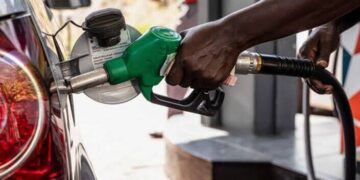





















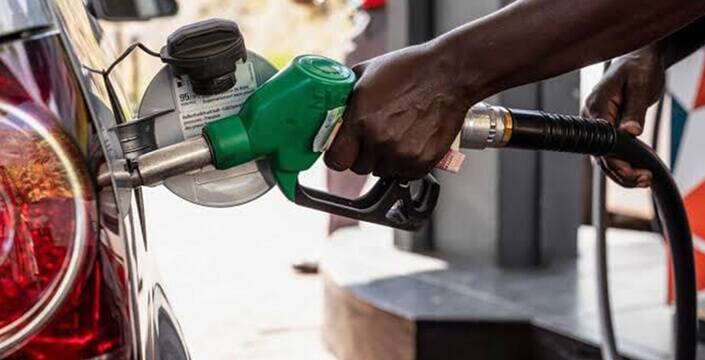
South Africans are set to pay significantly more for fuel from Wednesday after the Department of Mineral and Petroleum Resources announced fresh increases in the prices of petrol, diesel, illuminating paraffin and liquefied petroleum gas (LPG).
The department announced the adjustments in a statement issued late Monday, attributing the increases largely to rising international oil prices, supply disruptions and higher shipping costs.
Both grades of petrol, unleaded petrol and lead replacement petrol, will increase by R1.34 per litre.
Diesel prices will rise even more sharply, with the 0.05% sulphur grade increasing by R2.93 per litre, while the 0.005% sulphur grade will rise by R3.14 per litre.
The price of wholesale illuminating paraffin will increase by R2.13 per litre, while the maximum national retail price will climb by R2.84 per litre.
LPG prices will also rise by 69 cents per kilogram nationally and by 79 cents in the Western Cape province.
The Department of Mineral and Petroleum Resources linked the latest price adjustments to developments in the global oil market, including supply shortages associated with the ongoing Russia-Ukraine conflict and rising costs of transporting petroleum products.
According to the department, the average price of Brent crude rose to $87.88 per barrel in August from $82.37 per barrel in the previous month.
The increase was driven by growing geopolitical tensions around the Strait of Hormuz and uncertainty surrounding relations between the United States and Iran, developments that have heightened concerns over global oil supplies.
The latest adjustments are expected to place additional pressure on South African households and businesses already struggling with rising living costs, while the sharp increase in diesel prices could also affect transportation and production costs across the economy.
Fuel prices are closely watched in South Africa because increases often have a wider impact on the prices of goods and services, particularly food and other essential commodities that depend heavily on road transportation.