




















By Emmanuel Nduka
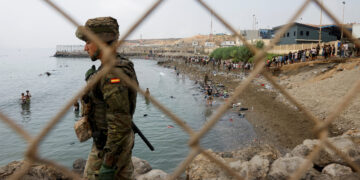
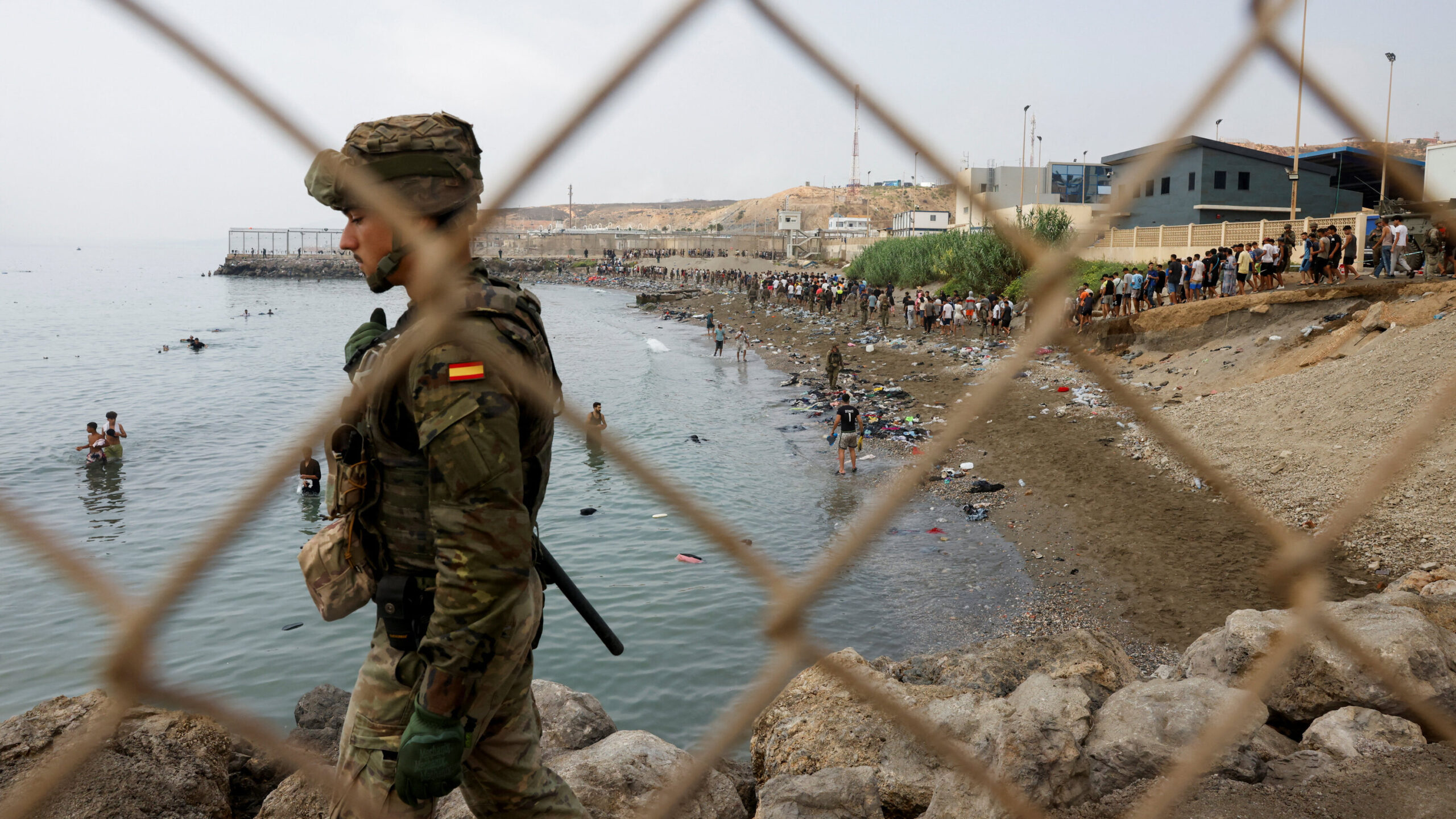
More than 5,300 migrants have returned from Spain’s North African enclave of Ceuta to Morocco in recent days, following the unprecedented influx that saw tens of thousands cross into the territory in July.
Spain’s Minister for Territorial Policy, Ángel Víctor Torres, said the number of people who had voluntarily returned to Morocco had risen to more than 5,300, as authorities continued efforts to manage the fallout from the border crisis.
The latest returns come weeks after the massive crossing into Ceuta, where more than 70,000 people entered the Spanish territory in a matter of days, triggering a major humanitarian and political crisis.
Spanish authorities have since established temporary reception facilities and expanded accommodation capacity as they work to move people away from the streets and informal settlements.
On Sunday, 864 people who had been sleeping in the streets were transferred to a temporary facility before being moved to a new centre in the Los Rosales area of the city.
The Spanish government says the temporary facilities are intended to improve living conditions while allowing authorities to assess individual cases and determine the appropriate legal procedures.
However, thousands of migrants remain in Ceuta, with many continuing to live in difficult conditions while waiting for their situations to be resolved.
The crisis has also triggered intense political controversy in Spain, with opposition parties accusing the government of failing to adequately prepare for the mass crossing.
The controversy intensified after Spain released previously classified intelligence documents indicating that its national intelligence agency had warned authorities ahead of the July border breach about plans for a large-scale crossing.
The Spanish government has maintained that although there were general alerts about possible migration movements, there was no information that accurately predicted the scale of the July influx.
Meanwhile, Morocco has rejected accusations that its authorities deliberately facilitated the mass movement of people into Ceuta, describing the issue as part of Spain’s domestic political debate.
The Moroccan government has also criticised Spain over the handling of migrants and said it was prepared to readmit people under existing arrangements between the two countries.
Ceuta, a Spanish territory on Africa’s northern coast, remains a longstanding source of tension between Spain and Morocco, with Rabat maintaining a claim to the territory.
As Spain continues to deal with the aftermath of the unprecedented influx, authorities face the challenge of balancing border control, migration management and humanitarian obligations, while political pressure over the handling of the crisis continues to mount.