



















By Enyichukwu Enemanna
Another Nigerian national has been found dead at her residence in Eastern Cape Province, South Africa, a family source disclosed.
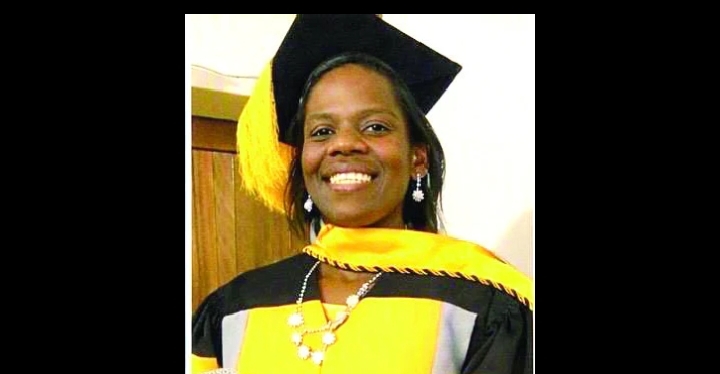
Dr. Ayodele Odularu, a lecturer at the University of Fort Hare, South Africa died on August 16, 2026, but the family had sought for the investigation into her death before making it public.
This comes days after the Nigerian government alleged that two of its citizens, Bishop Taiwo Fakunle and Mr. James Uchechukwu Nwankwo were killed during xenophobic attacks in South Africa, demanding investigation.
A brother to the deceased, Dr. Gbadebo Odularu had spoken to Diaspora Tales on Wednesday after a GoFundMe was raised for the late don.
Another family source who spoke on the condition of anonymity, disclosed that the lecturer’s death was not from natural causes, stressing that the circumstances surrounding her death remained unclear.
The GoFundMe in a statement described the late academic, 51 as a mentor.
“With hearts filled with gratitude for a life beautifully lived, we announce the passing of our beloved sister, Dr Ayodele Temidayo Odularu, who departed this world at the age of 51.
“Dr Ayodele was far more than a sister. She was a cherished daughter, aunt, friend, mentor, scholar, and a source of encouragement, compassion, wisdom, and strength to everyone blessed to know her.
“Her presence brought warmth into every room. She was known for her kindness, infectious laughter, generosity, resilience, and unwavering commitment to uplifting others. She had a rare ability to make people feel valued, heard, and inspired,” the statement read.
Odularu was an Independent Senior Researcher at the University of Fort Hare community who contributed to academic research and dedicated her life to knowledge, discovery, and creating a better future for communities.
The university held a memorial service for her on Thursday where her legacy and commitment to addressing challenges were remembered.
“Her work reflected a deep commitment to addressing challenges that affect everyday lives, including access to knowledge, educational opportunity, sustainable development, and solutions that empower underserved communities,” the statement added.
Relations between Nigeria and South Africa have strained in recent times after thousands of Nigerian citizens were forced to leave South Africa as anti-migrant sentiments escalated.
Protesters accuse citizens from other African countries of being responsible for shrinking job opportunities, increase in crime rate and pressure on public facilities.
Nigeria’s National Assembly had last week suspended all official visits to South Africa in protest against recurring violence targeting its citizens.