













By Emmanuel Nduka
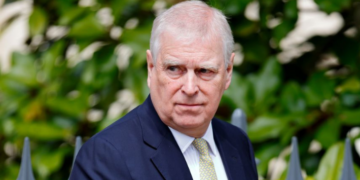
Former Prince Andrew Mountbatten-Windsor reportedly collected rental income from cottages on the Royal Lodge estate in Windsor for more than two decades while occupying the royal residence under a lease arrangement that required him to pay only a nominal rent.
The revelation, contained in a report by the British Parliament’s Public Accounts Committee (PAC), has raised fresh questions about the financial arrangements surrounding Andrew’s occupation of Royal Lodge and the management of properties associated with the British Royal Family.
According to the report, Andrew sublet three cottages on the estate, generating more than £2,000 monthly in rental income before maintenance costs and other expenses. The arrangement reportedly operated for less than a year from late 2021, although he had sublet one of the cottages to a tenant working for the Royal Family at below-market rates for most of his 22-year tenancy.
The details were contained in a letter written by James Chalmers, Keeper of the Privy Purse and Treasurer to King Charles III, to the parliamentary committee. The letter, dated September 7, 2026, was provided with Andrew’s agreement and released in the interest of transparency.
However, the precise amount Andrew earned from the rental arrangements throughout his occupation of Royal Lodge remains unclear, as the available records do not establish his cumulative rental income over the years.
Andrew secured a 75-year lease on Royal Lodge in 2003 after reportedly paying an upfront premium of £1 million and committing £7.5 million towards renovations and improvements to the property. Under the agreement, he occupied the 30-room mansion and its surrounding estate, which included eight cottages, while paying what is legally known as a ‘peppercorn rent’ — a symbolic payment that is nominal in value.
The lease permitted him to sublet three of the cottages, with the rental proceeds accruing to him rather than the Crown Estate, which manages the property. The arrangement has attracted criticism, particularly over the apparent imbalance between the nominal rent paid for the main residence and the private income generated from its surrounding properties.
Following the revelations, the Public Accounts Committee recommended that the Crown Estate prohibit subletting of its properties as a standard practice, allowing exceptions only where explicit permission has been obtained.
The committee also raised concerns about the Crown Estate’s handling of the Royal Lodge agreement, questioning whether sufficient lessons had been learnt from the arrangement and whether stronger safeguards were necessary to prevent similar situations.
Andrew’s departure from Royal Lodge followed growing controversy over his association with the late American financier and convicted sex offender Jeffrey Epstein. He was stripped of his royal titles and honours in October 2025 and subsequently vacated the Windsor residence in February 2026, relocating to the Sandringham Estate in Norfolk.
His relationship with Epstein has attracted renewed scrutiny following the release of millions of documents by the United States Department of Justice. Andrew was also arrested in February 2026 and questioned by British police over allegations of misconduct in public office. He has repeatedly denied wrongdoing and has not been charged.
The latest revelations have intensified public debate about the financial arrangements surrounding Britain’s monarchy, particularly the distinction between properties managed by the Crown Estate and the private financial resources of the Royal Family.
The Public Accounts Committee has also called for more consistent policies governing rental arrangements for royal residences, following disclosures that Princesses Beatrice and Eugenie, Andrew’s daughters, occupy properties within royal palaces at reduced rental rates, with their accommodation costs reportedly covered by King Charles III through his private funds.
The developments have renewed calls for greater transparency and accountability in the administration of royal properties, particularly where arrangements involve public institutions and assets associated with the British monarchy.