










By Enyichukwu Enemanna
The New Development Bank (NDB), a multilateral lender established by members of BRICS bloc has approved a $1 billion loan to assist South Africa in modernising its critical municipal infrastructure, with a particular focus on eight major cities.
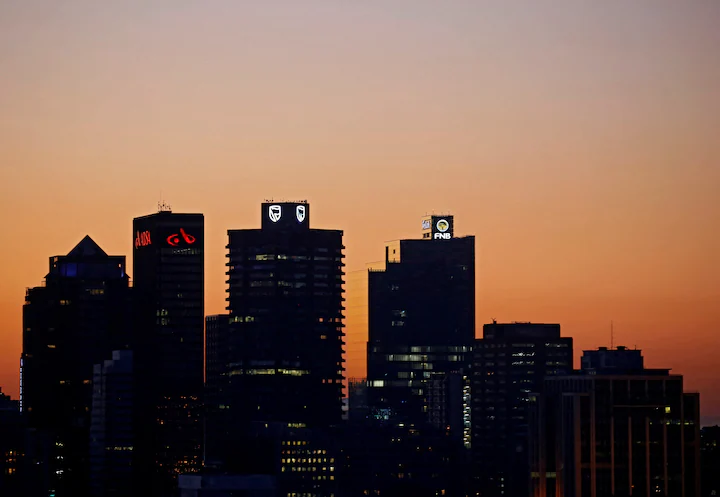
The financing, announced on June 15, will support a programme aimed at improving water, sanitation, electricity, and waste-management services for about 22 million residents in Buffalo City, Cape Town, Ekurhuleni, eThekwini, Johannesburg, Mangaung, Nelson Mandela Bay, and Tshwane.
The bank says the programme is expected to improve standard of living among residents of the benefiting cities while creating a more attractive environment for businesses.
The project also aligns with South Africa’s National Development Plan 2030 and supports several United Nations Sustainable Development Goals, including those related to sustainable cities, clean water and sanitation, and affordable clean energy.
The 22 million residents in the eight metropolitan areas represent nearly 40% of South Africa’s population.
They also serve as the country’s main economic centres. However, many of these cities face growing infrastructure challenges, including recurring water shortages, aging electricity networks, and waste-treatment facilities that no longer meet required standards.
The loan comes at a time when the President Cyril Ramaphosa’s administration is seeking to reverse a long-term deficit in infrastructure investment.
The New Development Bank currently counts three African shareholders: South Africa, Egypt, and Algeria. Ethiopia, which joined the expanded BRICS bloc in January 2024, has also applied to become a shareholder in the bank, headquartered in Shanghai.
NDB was created to mobilize resources for infrastructure and development projects in member countries and other emerging economies.