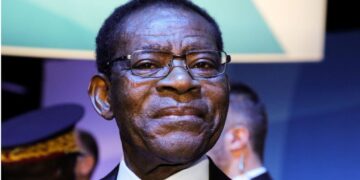









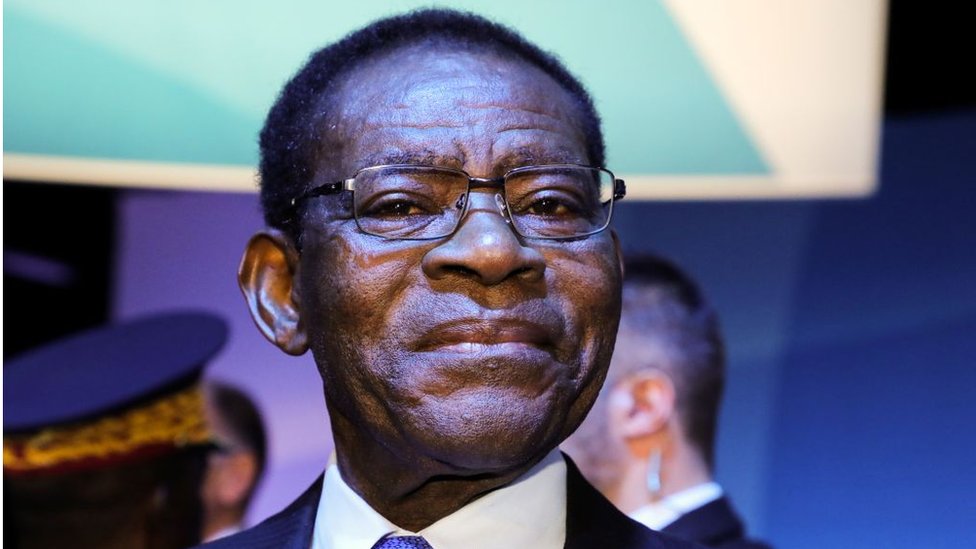
The government of Equatorial Guinea has resigned following poor performance against targets set by President Teodoro Obiang Nguema Mbasogo, in a move authorities say underscores the administration’s commitment to accountability.
The resignation was announced by Vice President Teodoro Nguema Obiang Mangue, who disclosed that Prime Minister Manuel Osa Nsua submitted the resignation of the entire cabinet after the government reportedly achieved less than 10 per cent of its assigned objectives.
According to the vice president, the administration fell significantly short of expectations in key areas, including economic diversification, agricultural development, governance reforms and the implementation of strategic national projects.
In a statement shared on social media, Obiang Mangue said the level of execution of government programmes was far below the commitments made by the administration.
“The degree of execution achieved is clearly insufficient in relation to the expectations and commitments undertaken,” he stated.
The ruling Democratic Party of Equatorial Guinea (PDGE) also attributed the cabinet’s exit to concerns raised by President Obiang over corruption, misuse of public resources and delays in executing development projects.
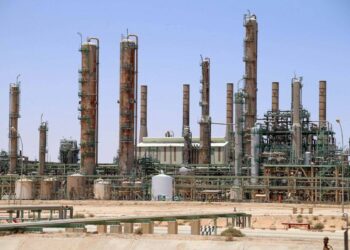
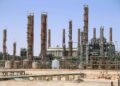
The party noted that the president was particularly dissatisfied with the government’s inability to reduce the country’s heavy dependence on the oil and gas sector by strengthening agricultural production and other non-oil industries.
Officials believe expanding agriculture is critical to reducing imports, improving food security and stimulating sustainable economic growth in the Central African nation.
The outgoing administration was appointed in 2024 as part of broader efforts to accelerate economic reforms and improve public sector performance. However, declining oil production and persistent economic challenges have continued to weigh on the country despite its vast natural resource wealth.
A new cabinet is expected to be announced in the coming days as President Obiang seeks to reinvigorate efforts to diversify the economy and improve governance.
At 84, President Obiang remains the world’s longest-serving head of state. He has ruled Equatorial Guinea since 1979 after seizing power from his uncle, Francisco Macías Nguema, in a military coup. His son, Vice President Obiang Mangue, is widely regarded as one of the country’s most influential political figures and a possible successor.