



















South Sudan’s government has stepped up efforts to address the growing arrest and detention of its citizens in Egypt over residency and legal documentation issues, amid mounting concerns within the migrant community.
The commitment was reaffirmed during a meeting in Cairo between South Sudan’s Ambassador to Egypt, Kuol Nyok Kuol Arop, embassy officials and representatives of the South Sudanese community led by Santino Akot Deng.
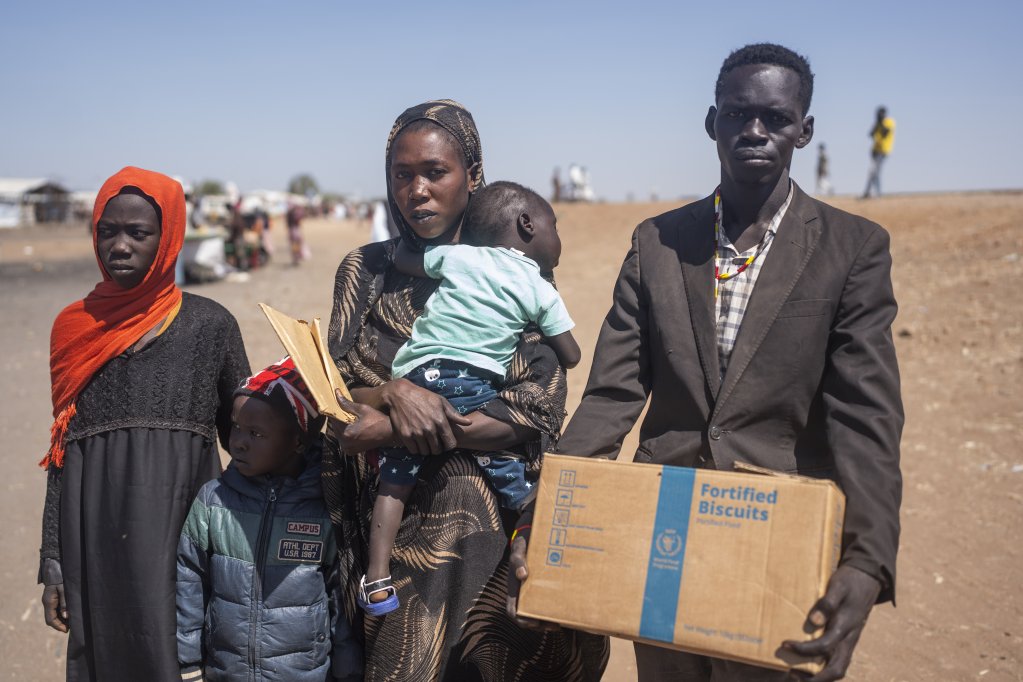
According to a statement from the South Sudanese Embassy, discussions focused on the increasing number of nationals detained for lacking valid residency permits, as well as challenges confronting those who entered Egypt after fleeing the conflict in neighbouring Sudan.
The embassy noted that many South Sudanese citizens have struggled to regularise their legal status, exposing them to arrest and possible deportation by Egyptian authorities.
Ambassador Kuol explained that the mission has been engaging Egyptian officials, authorities in Juba and the United Nations refugee agency to find solutions to the situation. He said embassy interventions had already secured the release of several detained students and other South Sudanese nationals.
The envoy further pledged continued support for citizens facing legal challenges and disclosed that discussions were ongoing regarding voluntary repatriation for those wishing to return home.
The embassy also revealed that authorities in Juba had been approached to explore arrangements and provide assistance for citizens interested in returning voluntarily to South Sudan.
Speaking during the meeting, community leader Santino Akot Deng urged South Sudanese residents in Egypt to comply with local laws and ensure their residency documents remain valid. Participants also appealed to the South Sudanese government and the International Organization for Migration (IOM) to expand support for voluntary return programmes.
Despite the embassy’s assurances, reactions from members of the South Sudanese community were mixed. Some citizens criticised the mission’s handling of their welfare, alleging inadequate support for those facing hardship in Egypt.
Others, however, welcomed the embassy’s engagement, expressing hope that the discussions would translate into practical assistance for vulnerable nationals.
Beyond detention concerns, several citizens raised complaints about consular services, including delays in assistance and concerns over customer relations.